



training2 min read
How many sets do you need to build muscle?
Training volume: count sets per muscle, assess recovery and test adjustments instead of chasing one supposedly ideal number.
practise. understand. share.
A certified fitness coach with the French CQP Instructeur Fitness qualification, Louis has 10 years of personal strength training experience and leads Zepraug.
Explore the articles
of personal strength training
Instructeur Fitness
Ten years of personal strength training and the CQP Instructeur Fitness are two distinct parts of Louis’s background. That duration describes his experience as a trainee.
Louis is CEO of Zepraug. These articles appear on the app’s website; when an article discusses the app, the author’s connection to it remains explicit.
Our editorial approach separates what a source supports from a coaching suggestion. Each article explores a question from our social content, with access to the references and an explanation of their scope.
A fitness coaching qualification is not a medical qualification. These articles do not replace individual support appropriate to a person’s health situation.
Understand Zepraug’s limitations ↗training2 min read
Training volume: count sets per muscle, assess recovery and test adjustments instead of chasing one supposedly ideal number.
training3 min read
A four-movement leg workout template with sets, reps, rest periods and adjustments for starting or returning to strength training.

training2 min read
Soreness and progress: understand why next-day discomfort cannot grade a workout, and which training reference points are more useful.

training7 min read
Read the RPE scale used for strength sets, relate it to repetitions in reserve and adjust loads. Distinguish set effort, session RPE and other effort scales.
training4 min read
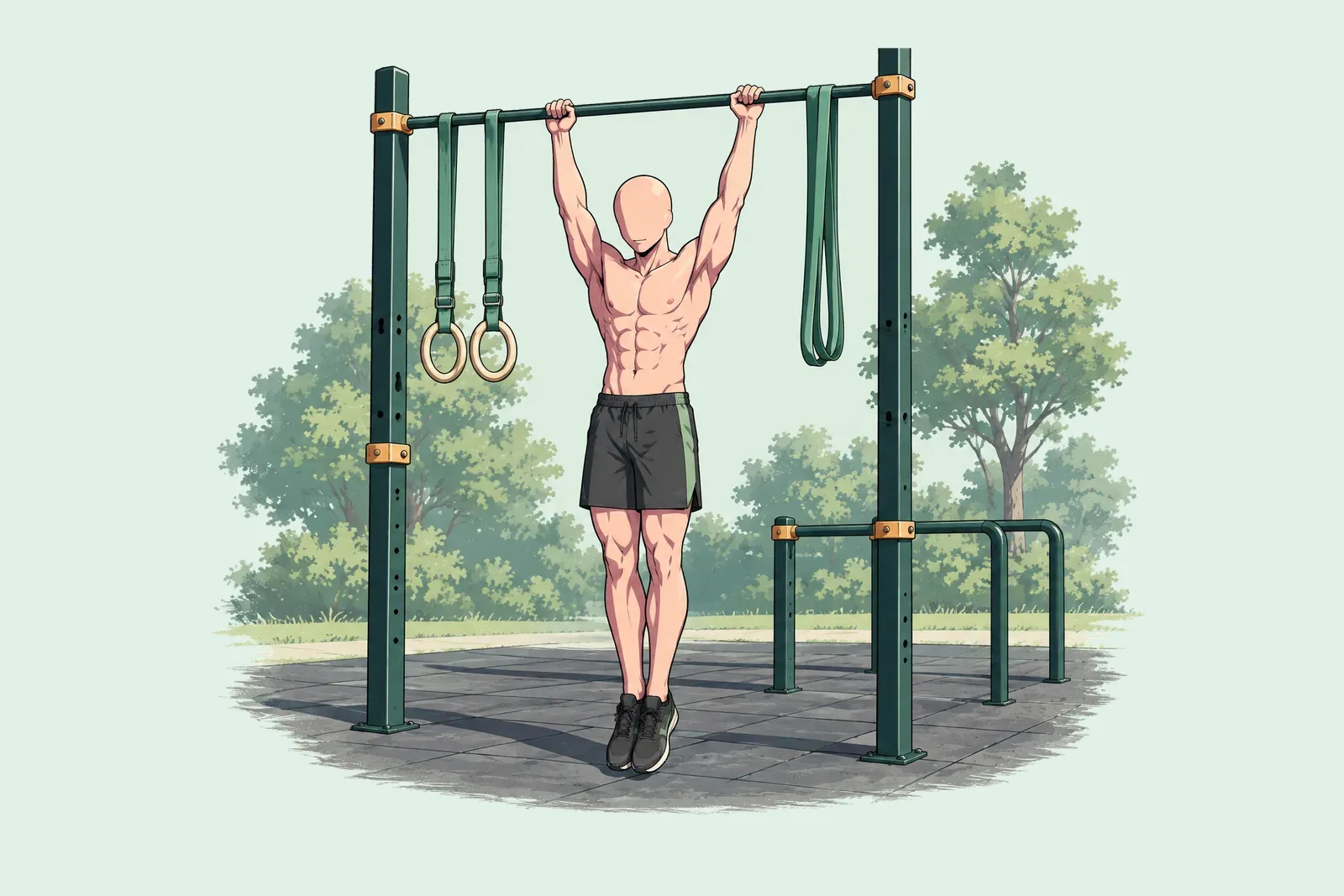
Choose calisthenics equipment by movement, support and installation requirements. Compare bars, bands, rings and loading without a compulsory shopping list.
training4 min read
Explore key records from ancient jumping weights to physical culture and DeLorme’s progressive resistance exercise, without treating legend as measured evidence.
nutrition7 min read
Estimate resting and daily energy expenditure and macros. Understand the activity factor, reference-weight convention and limits before using the result.
training5 min read
Compare streetlifting formats, equipment and judging considerations. Read the organiser’s current rules rather than assuming every event uses the same lifts or classes.
training5 min read
Understand cluster sets, count blocks and rest correctly, compare the research and choose a manageable setup without assuming heavier always means better.
training4 min read
Learn what isometric exercise means, how position and intent affect the task, and why study force percentages are not automatic paused-lift prescriptions.

training4 min read
Put 10,000 daily steps in context. Estimate distance from your stride, distinguish calorie estimates from health associations and build from your current routine.
training6 min read
Build a warm-up from light general movement and relevant ramp-up sets. Read load percentages correctly and put stretching and injury claims in context.
training2 min read
Full or partial squats: compare ranges of motion, define your goal and keep consistent technique and load references.

nutrition2 min read
Sweets, celebrations and exercise: make room for enjoyment and return to your habits without punishment workouts or compensatory restriction.
training3 min read
Softer upper arms: distinguish fat, muscle and skin to understand what strength training can improve and what it cannot guarantee.
nutrition2 min read
Carbs and fat loss: separate energy balance, water-weight changes and meal quality when choosing an eating routine you can maintain.
training2 min read
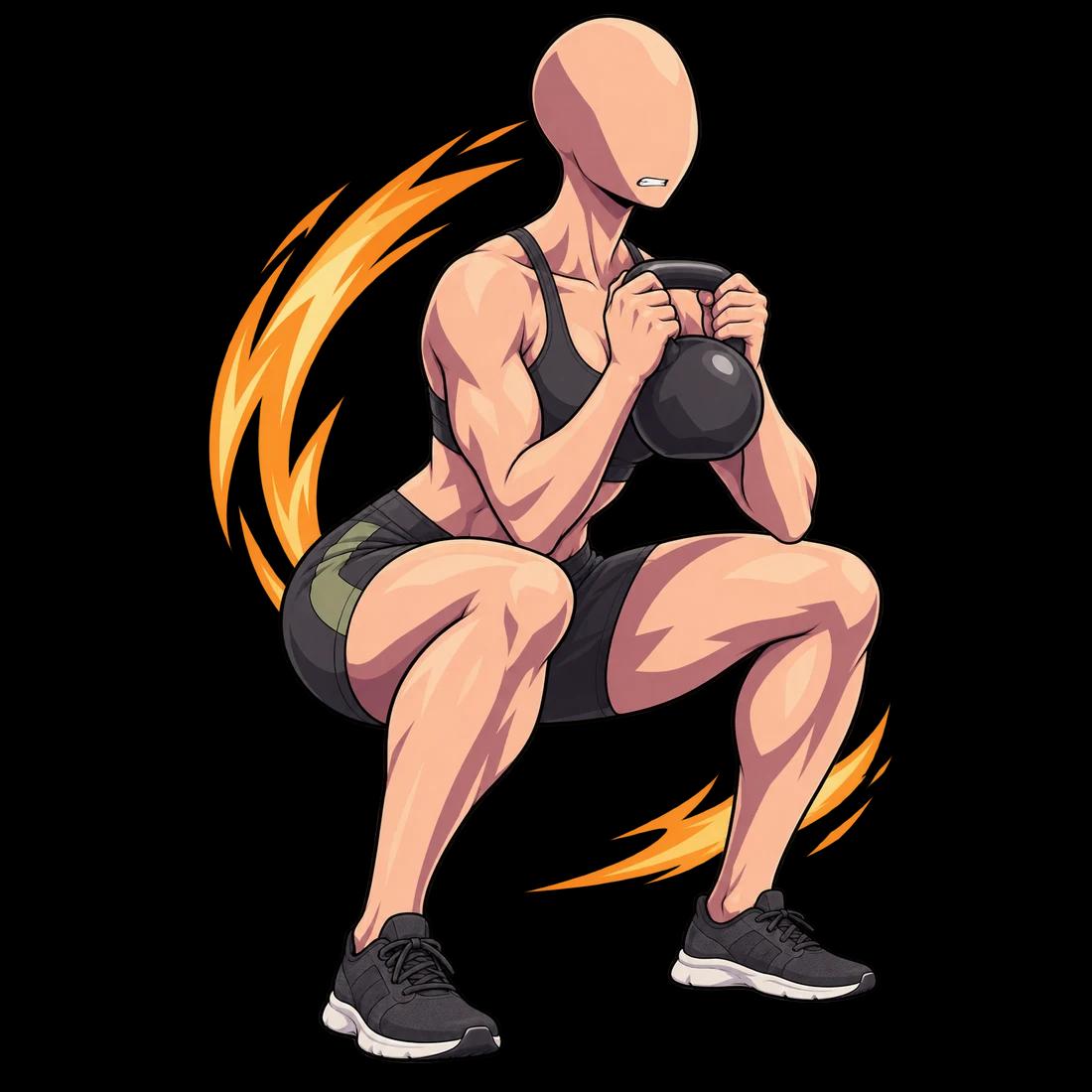
Butt wink in squats: understand pelvic tuck, assess movement control and compare setup changes without diagnosing an injury from a video.

nutrition3 min read
Creatine and hair loss: separate the DHT rumour from direct hair measurements, with study limitations and practical supplementation context.

training3 min read
Overhand, underhand or neutral: understand the differences and choose consistent reference points to progress with pull-ups.

training3 min read
Two, three or more sessions: choose a strength training frequency around your schedule, training volume and recovery.

nutrition2 min read
Protein yoghurt, bars or powder: judge their usefulness by your meals, your needs and the convenience they offer.

understanding your data2 min read
A low recovery score does not tell your whole story. Check measurement quality, trends and how you feel to better understand your watch.