Training· 5 min read
Streetlifting: movements, formats and competition preparation
Streetlifting develops strength in loaded calisthenics movements, with competition formats defined by the organiser. Some events use weighted pulls and dips; an All4 format also includes a muscle-up and back squat. Check the actual rulebook before planning attempts.

Certified fitness coach · CQP Instructeur Fitness
Published on
The essentials before you start.
- Two-lift and four-lift formats coexist.
- Added-load totals and bodyweight-based scores are not the same measure.
- Exercise-guide cues do not replace competition judging rules.
- Check entry, equipment, weigh-in and attempt requirements for the chosen event.
The format comes before the total
The USA Streetlifting rulebook, updated in February 2026, describes Classic pulls and dips and an All4 format adding a muscle-up and back squat. It provides three attempts per exercise in those formats.
FinalRep’s explanation describes its four-lift format and other combinations. Its current rulebook page identifies the available edition. These are examples of organiser-specific rules, not one universal definition of every event.
Do not mix totals across different lift combinations or scoring conventions. A placing within a bodyweight class and an overall score adjusted for bodyweight answer different questions.
Understand the movements before adding attempts
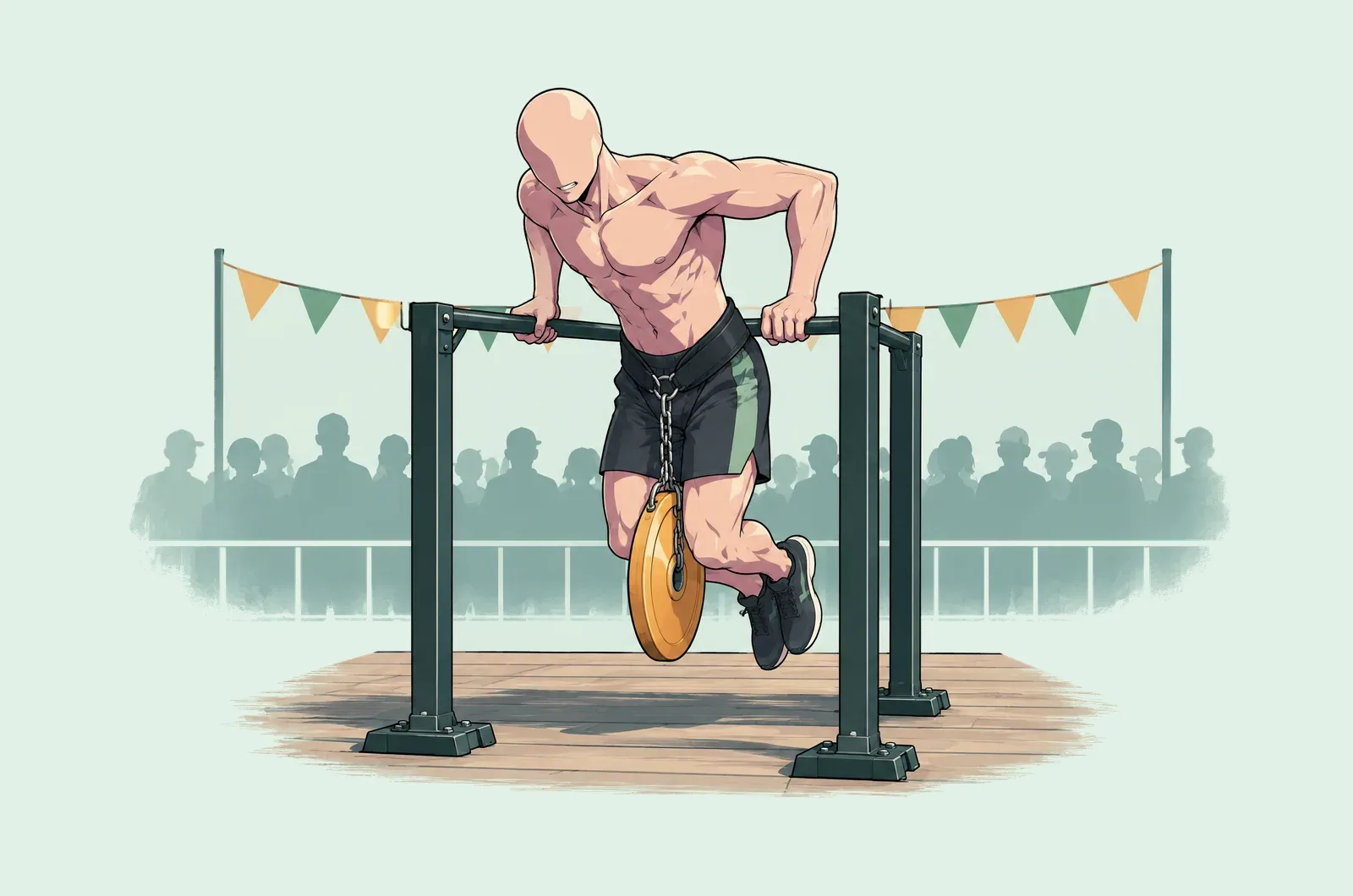
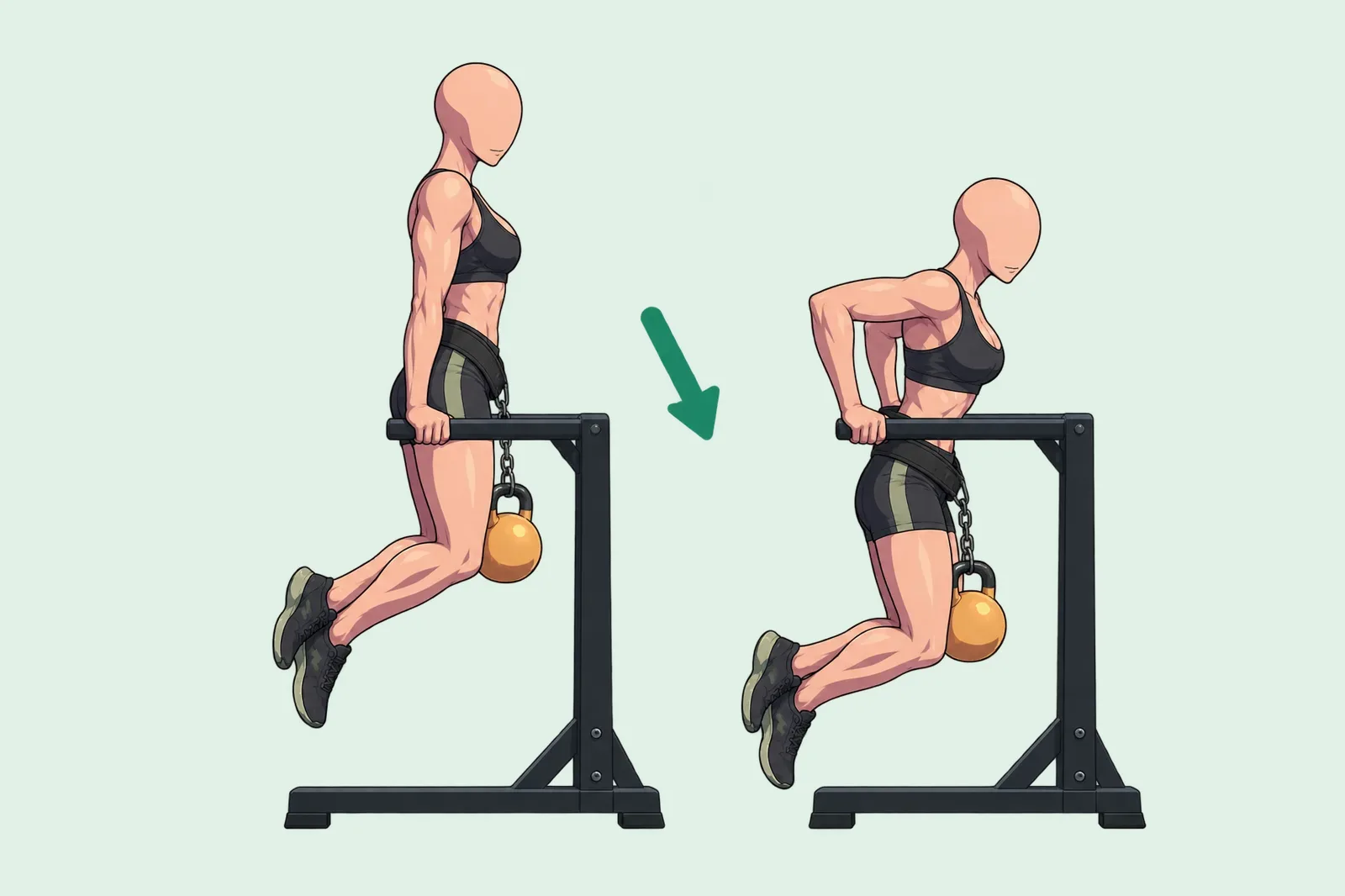
Weighted dip
A weighted dip uses parallel-bar support and an external load. Practise a controlled mount, descent, finish and dismount with equipment rated for the combined demand.
Competition depth is defined by the rulebook’s body landmarks and judging procedure. A generic ninety-degree elbow cue is not a universal judging rule.
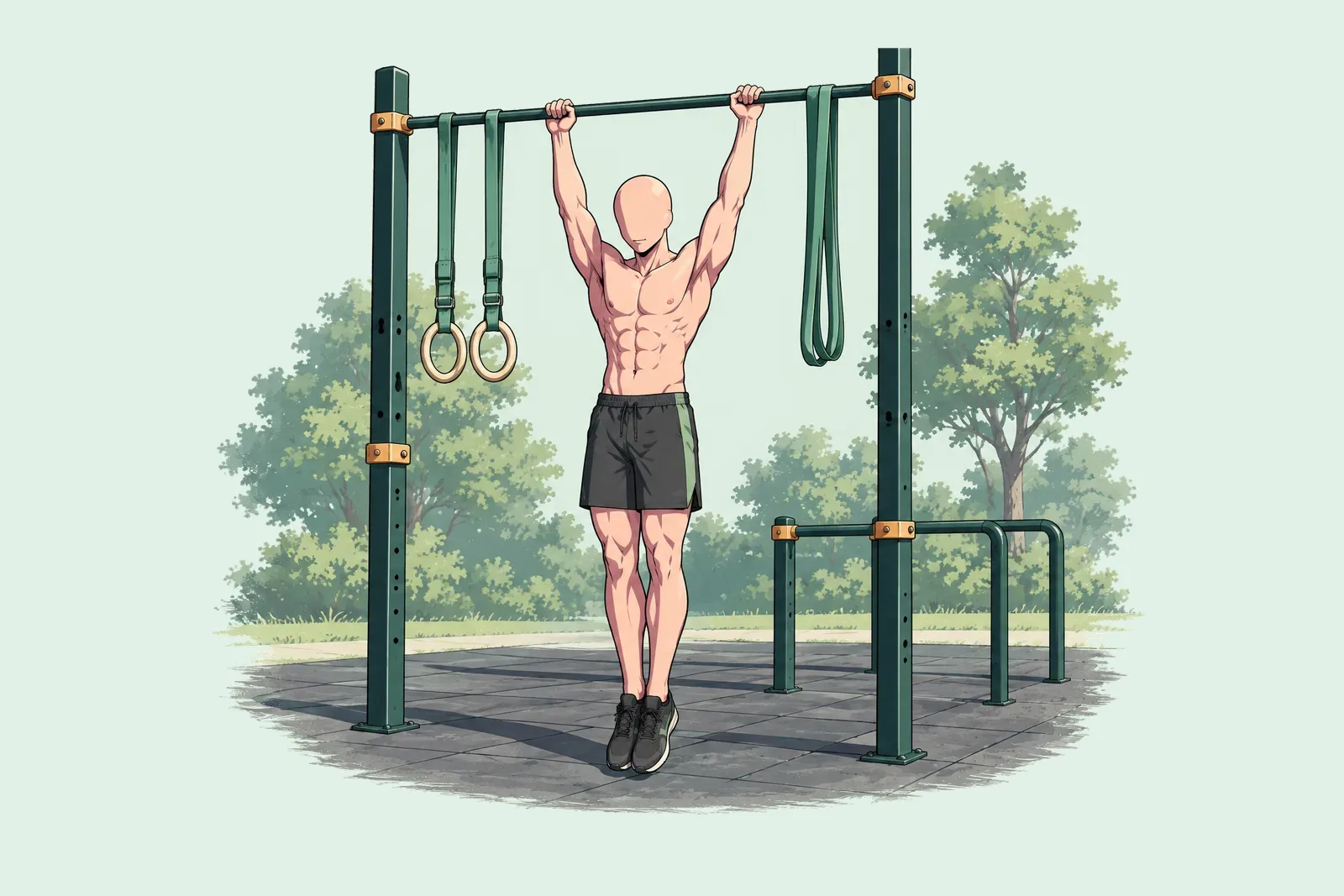
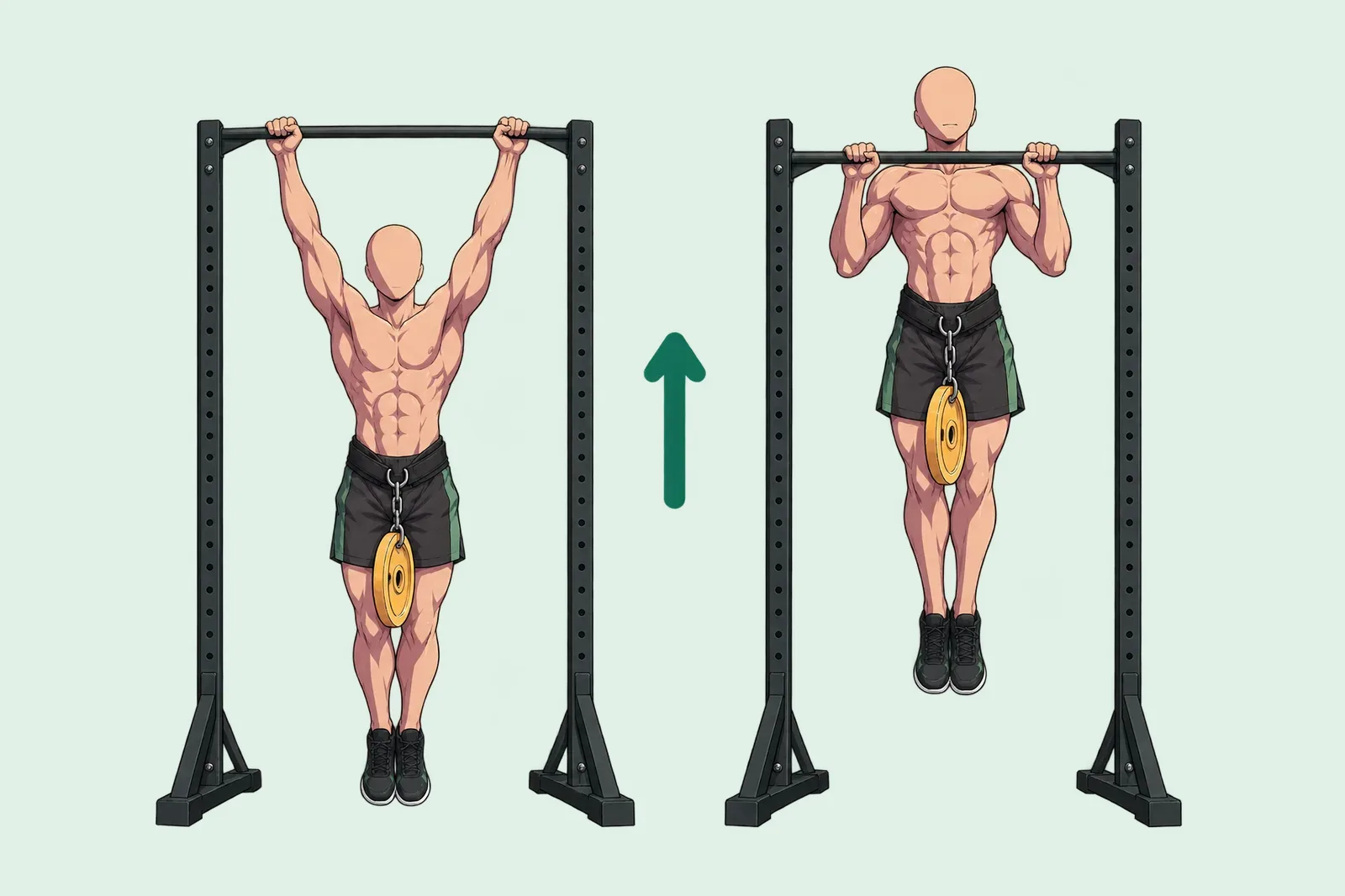
Weighted pull-up or chin-up
A weighted pull-up needs a suitable bar, clearance and secure load attachment. Choose a controllable starting hang and return before adding weight.
Permitted grip, head clearance, body movement and referee commands depend on the rules. A general pronated-grip demonstration does not settle every competition standard.
Muscle-up where included
A muscle-up combines pulling, transition and support above a bar or rings. It adds substantial technique and clearance demands. Do not treat it as simply a pull-up performed harder or add a swinging load before the complete path is controlled.
Bar or ring eligibility, swing allowances, transition and finish standards belong to the selected event’s rules. Appropriate coaching can help learn the actual movement.
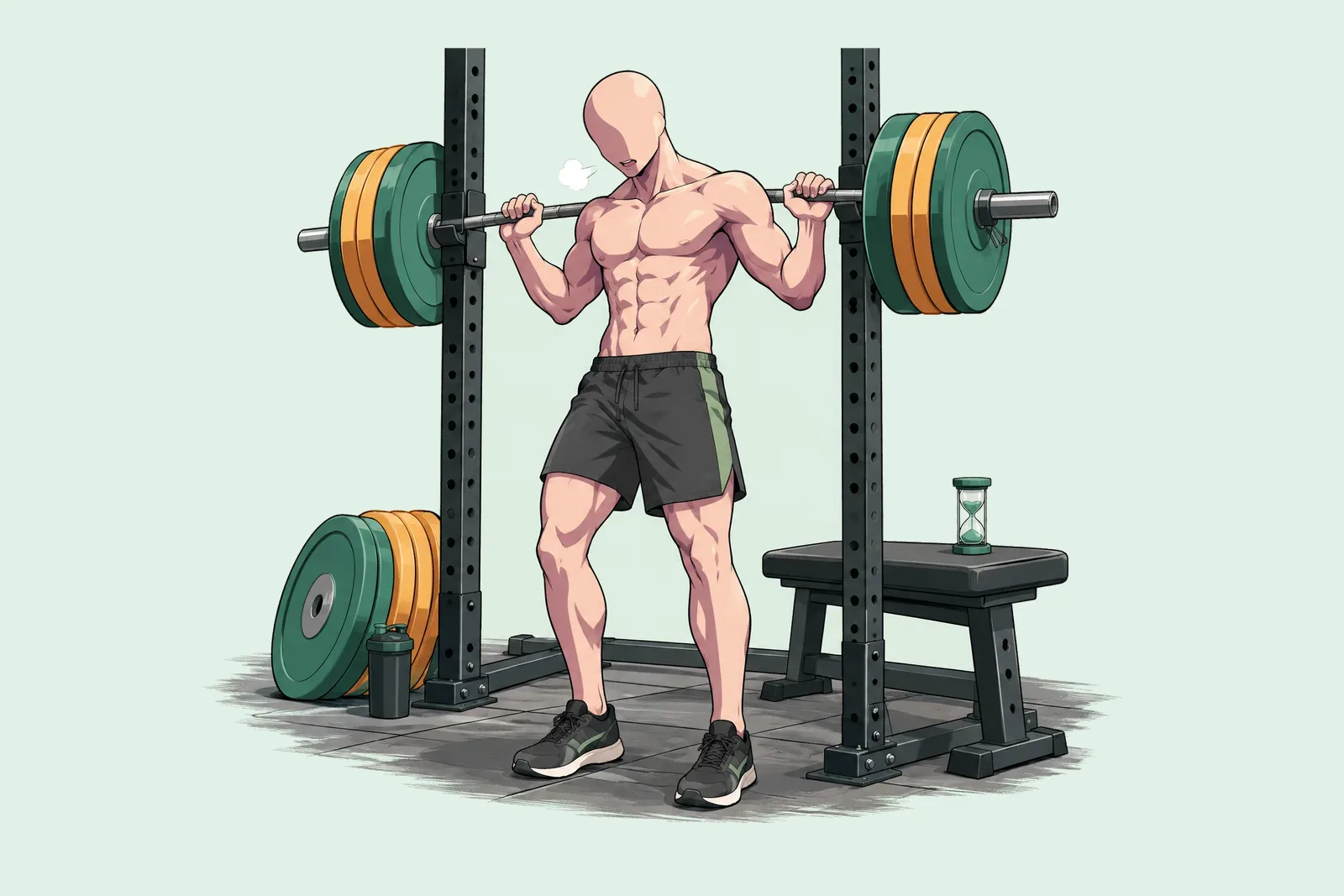
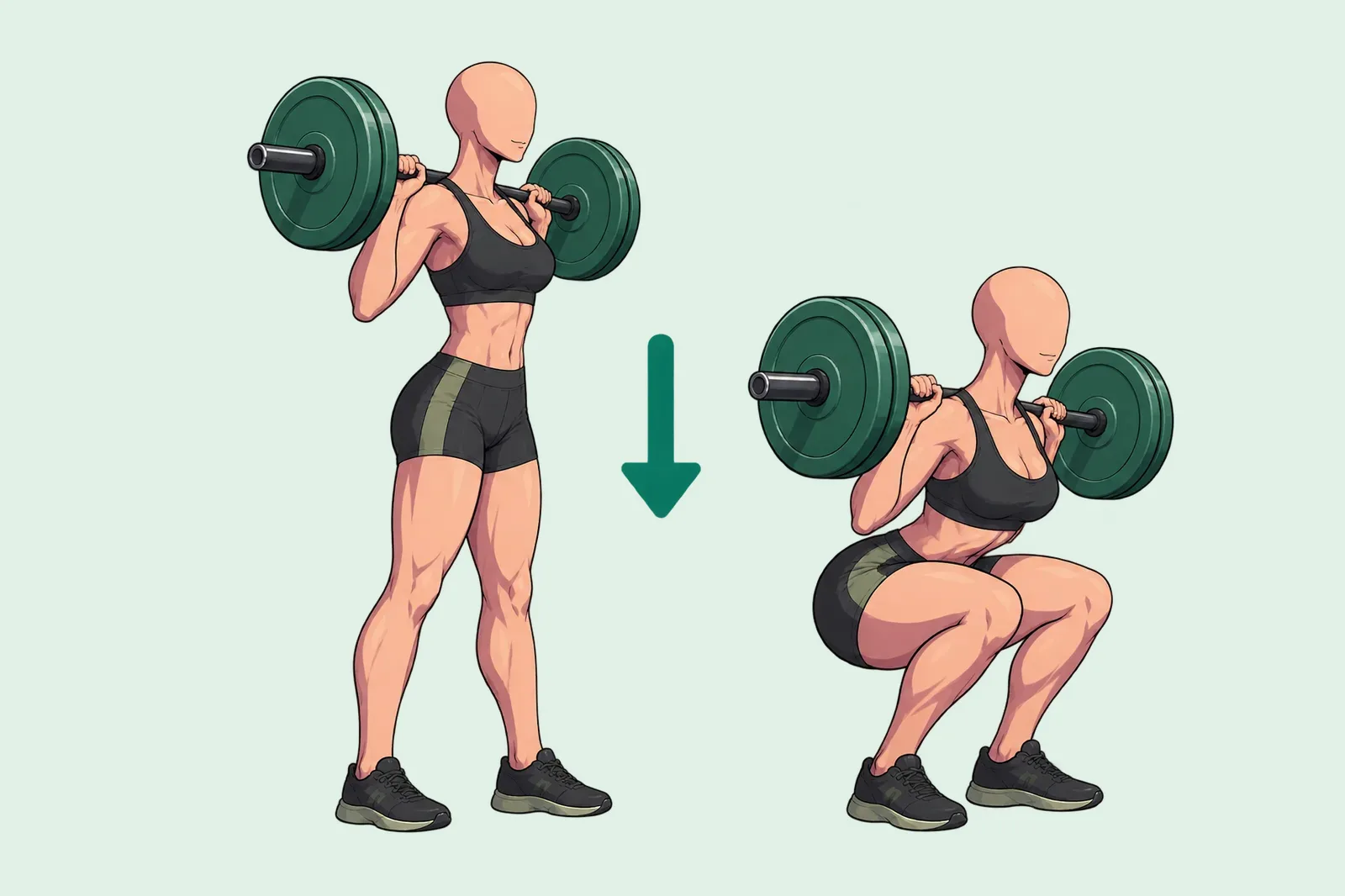
Back squat where included
A back squat needs a suitable rack, safeties and a practised unrack and return. Stance and training range must remain controllable.
A competition squat is judged against its specified depth, support and command rules. An illustration or a thighs-parallel coaching reference is not the rulebook itself.
Use equipment suited to the task
| Equipment | Purpose | Check before use |
|---|---|---|
| Pull-up bar and parallel bars | Hanging and support tasks | Fixing, load capacity, clearance and intended use |
| Loading belt and attachments | Secure suspended external load where permitted | Condition, fastening, plate security and event approval |
| Rack, bar, plates and safeties | Back squat if included | Rated supports, collars, safety height and return |
| Assistance equipment | Selected learning tasks | Intended anchors, clearance and a distinct assistance record |
| Chalk, wraps or lifting belt | Optional equipment choices | Actual task needs and organiser permissions; no safety guarantee |
Check the actual competition
- Find the organiser’s official event page and the rulebook edition used for that event.
- Check format, eligible lifts, categories, entry requirements and weigh-in conditions.
- Read movement standards, commands, attempt selection and permitted equipment.
- Confirm how added load, barbell load, totals and any bodyweight-adjusted score are counted.
- Practise the required standards with suitable coaching and plan manageable attempts.
Categories and bodyweight
Classes, eligibility and ranking methods vary by organiser and can change. Do not use a generic table of classes as an entry requirement. Confirm the current event information rather than relying on another federation’s numbers.
For example, the consulted US rules count attached plate weight for belt-loaded lifts and bar, collars and plates for the squat. That does not mean the body’s mass is irrelevant to movement demand, nor that every system scores it the same way.
A lighter body does not guarantee a better relative result. Avoid treating a weight class as a reason for an improvised rapid weight cut or water restriction.
Keep research separate from rules
The cited narrative review notes limited streetlifting-specific evidence and relies substantially on related strength sports. It cannot establish an exact training dose, a body-composition target or competition judging standards.
Use a beginner calisthenics programme or full-body programme as an adjustable training framework when appropriate. The equipment guide and cluster-set guide explain related choices; neither guarantees readiness for a maximum attempt.
Illustrated movement 1
The pictured positions are examples; use the support, range and load appropriate to the chosen task.
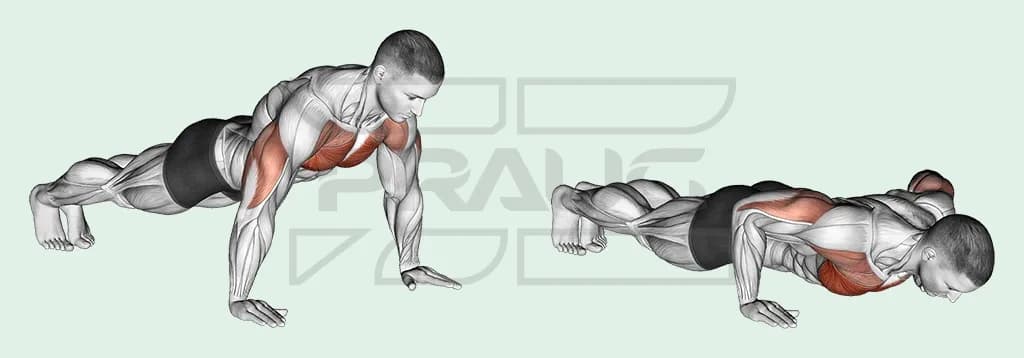
Illustrated movement 2
The pictured positions are examples; use the support, range and load appropriate to the chosen task.
Illustrated movement 3
The pictured positions are examples; use the support, range and load appropriate to the chosen task.
Frequently asked questions
Does every event include four lifts?
No. The consulted rules include different formats. Read the chosen event’s format before comparing totals or preparing attempts.
Are all weight classes and grip rules the same?
No. Use the current organiser-specific rules, not another event’s categories or a general exercise cue.
Does my total include my bodyweight?
It depends on the scoring convention. In the consulted US maximum-load rules, belt-loaded lifts count attached plates, while bodyweight also informs classes and may inform separate scores.
Does the cited review define the competition rules?
No. It is a narrative review of nutrition and recovery evidence, largely from related strength sports. Official organisers define their rules.
Sources and limitations
Sources support the passages that cite them. Practical suggestions are coaching choices to adapt to your own situation.
- Stranieri et al. · 2025 · Nutrition and recovery evidence relevant to streetlifting ↗
Narrative review largely extrapolates from other strength sports. It does not establish competition rules or validate a streetlifting-specific training or nutrition dose.
- USA Streetlifting · February 2026 rulebook · Classic and All4 formats and maximum-load counting ↗
Official organiser rules consulted; scope is this rulebook and edition rather than every streetlifting event.
- FinalRep · format explanation · Four-lift and other competition formats ↗
Organiser-specific format and scoring overview; categories and eligibility must be confirmed for the chosen event.
- FinalRep · rulebook page · Available 2026 rulebook editions ↗
Official edition and download page consulted. No claim of a full clause-by-clause review of the linked complete rulebook.
This general information does not replace individual advice. Zepraug’s limitations.