Understanding your data· 2 min read
Your watch says “poor recovery”: what should you check?
A red number can capture all your attention. Before letting it decide your day, look at what it measures and how you actually feel.

Certified fitness coach · CQP Instructeur Fitness
Published on

The essentials before you start.
- A measurement and a calculated score are different things.
- Check measurement conditions before interpreting a change.
- Symptoms and how you feel still matter, even when the score looks good.
Separate the signal from the score
A heart rate, sleep duration and recovery score describe different things. A score combines information through an algorithm: its name does not mean it directly observes every aspect of your fatigue.
Before comparing two numbers, check what they mean and which device produced them. Changing your watch or its calculations can change your reference points too.
Start with measurement quality
Apple describes several factors that affect readings from its device, including wrist fit and conditions of use. An unexpected reading is also a reason to check how it was obtained.
These instructions concern Apple Watch. They do not validate recovery algorithms from other brands or establish identical accuracy for every measurement.
Reference: Apple Support ↗
Put the number back into your day
For training decisions, you can bring together three observations. This is a practical way to interpret information, not a diagnostic tool.
- The trend: one isolated reading or a repeated change?
- How you feel: what is your experience today?
- The context: an unusual night, a recent session or a different watch fit?
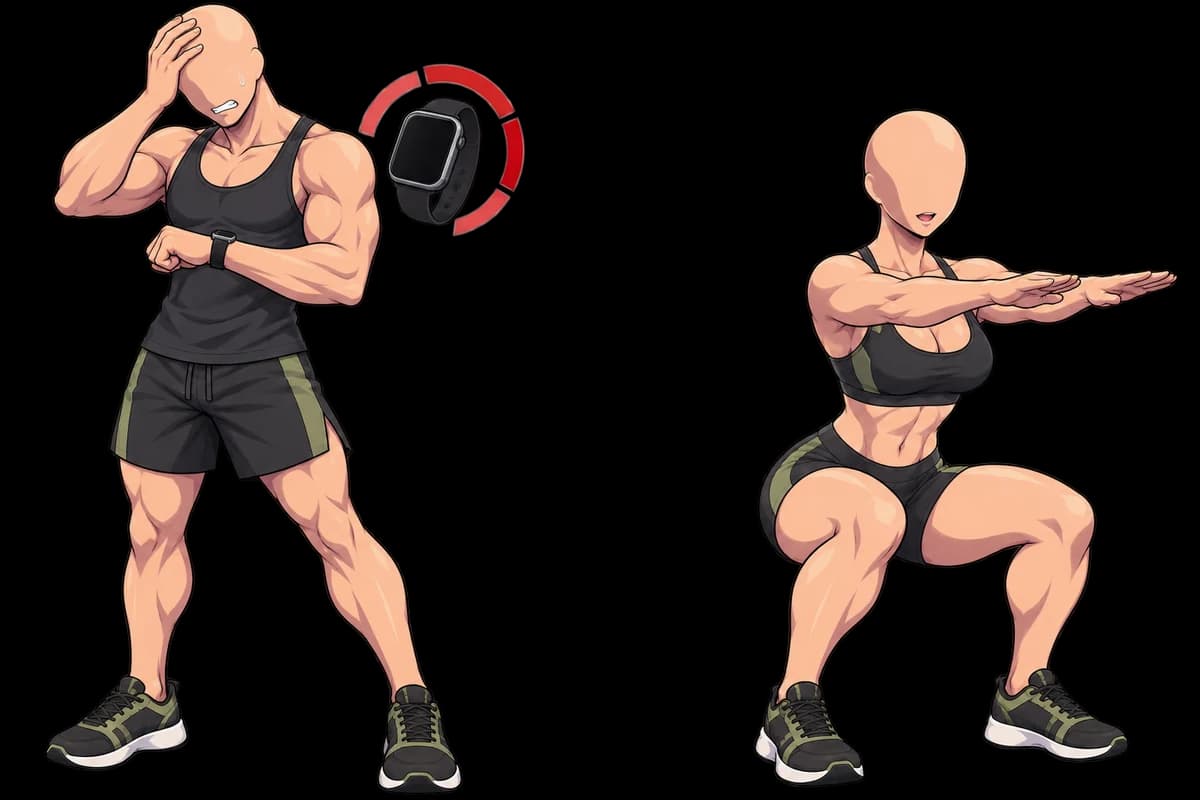
A green screen cannot replace how you feel
A good score should not lead you to ignore feeling unwell, pain or persistent fatigue. Equally, one poor score cannot explain a medical situation on its own.
If a symptom worries you, seek appropriate advice rather than confirmation from an app. For everyday tracking, keep comparable reference points and note circumstances that seem useful.
From the post to your practice
Explore the carousel.
Explore the visual version of this topic on @zepraug.
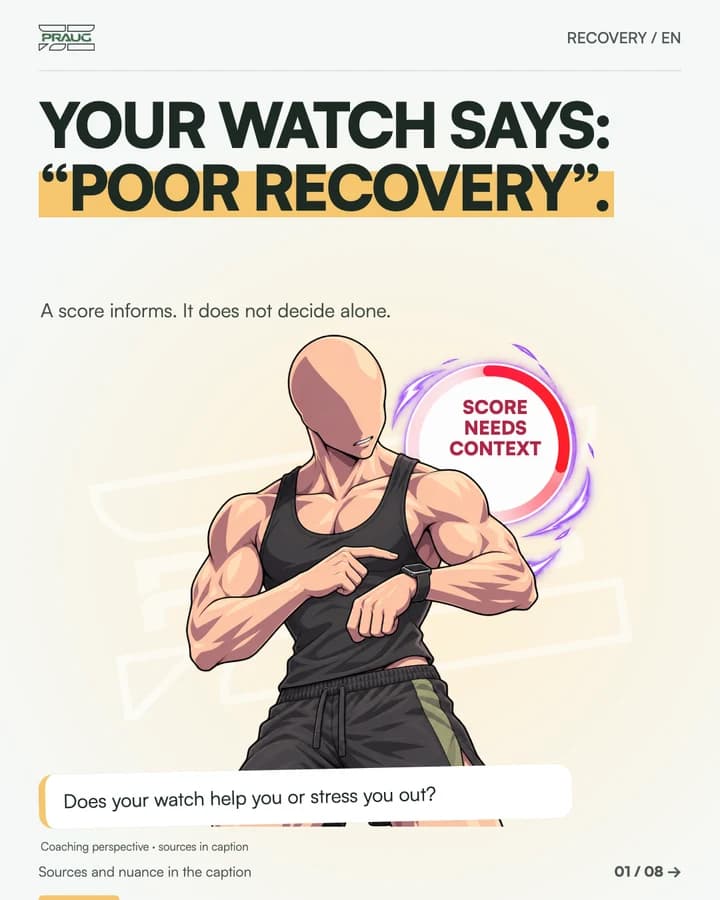
Your watch says “poor recovery”: what should you check?
The carousel is coming to Instagram. Scheduled for 23 November 2026.
Sources and limitations
Sources support the passages that cite them. Practical suggestions are coaching choices to adapt to your own situation.
- Apple Support · Get the most accurate measurements using your Apple Watch. ↗
Manufacturer documentation on Apple Watch measurement conditions, not validation of every recovery score.
This general information does not replace individual advice. Zepraug’s limitations.