Nutrition· 2 min read
Candy and exercise: moving beyond compensation
After candy or a celebration meal, exercise need not become punishment. Amounts and frequency matter, but guilt does not help build sustainable habits.

Certified fitness coach · CQP Instructeur Fitness
Published on
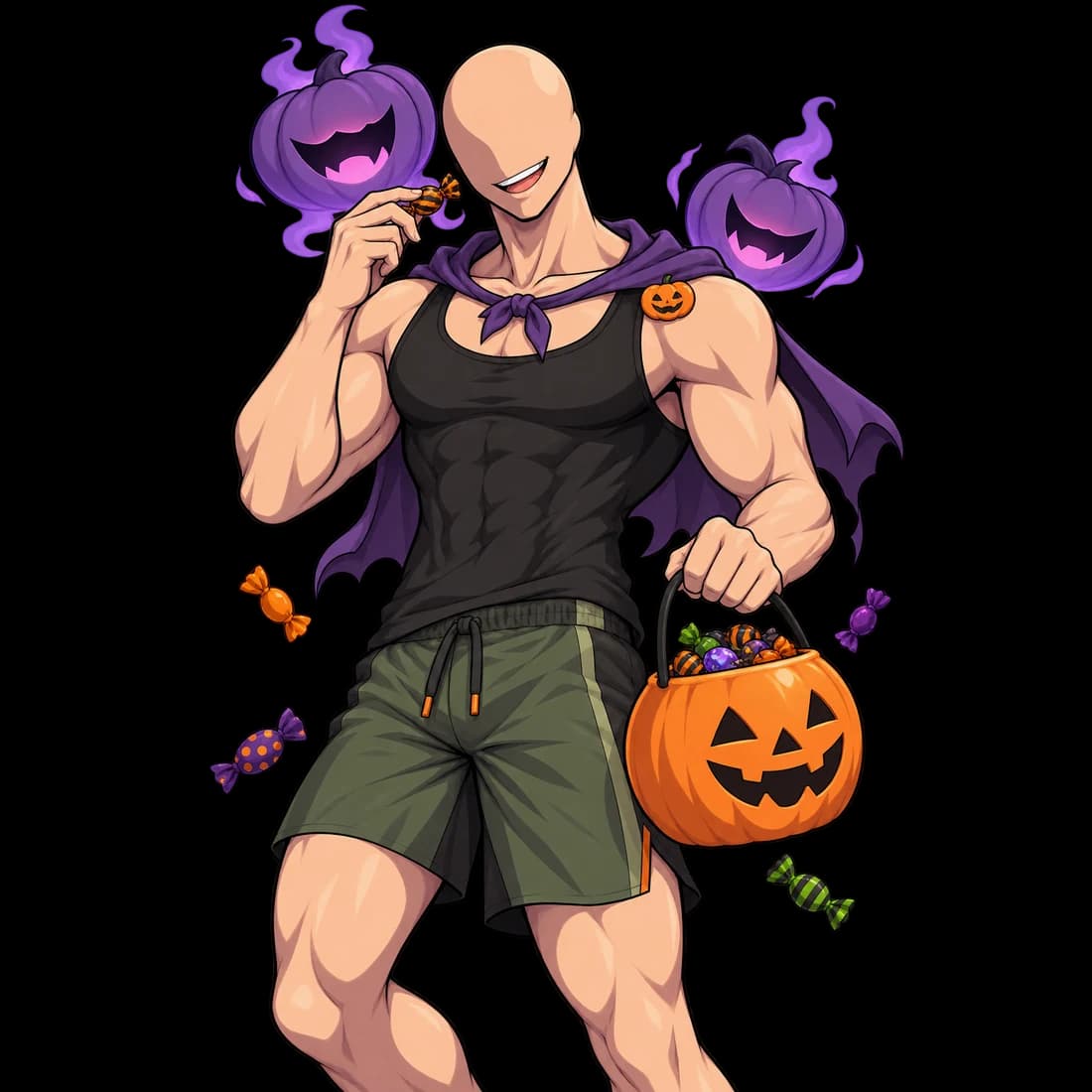
The essentials before you start.
- A celebration can fit within overall eating habits.
- Exercise does not need to punish eating.
- Afterwards, return to meals and activity that fit daily life.
Separate food enjoyment from exercise debt
You can enjoy candy and look after yourself. Our starting point: stop making every food choice a test of willpower.
“Tomorrow, I have to burn it all off.” That turns training into a penalty. Keep a reason to move that exists without the candy.
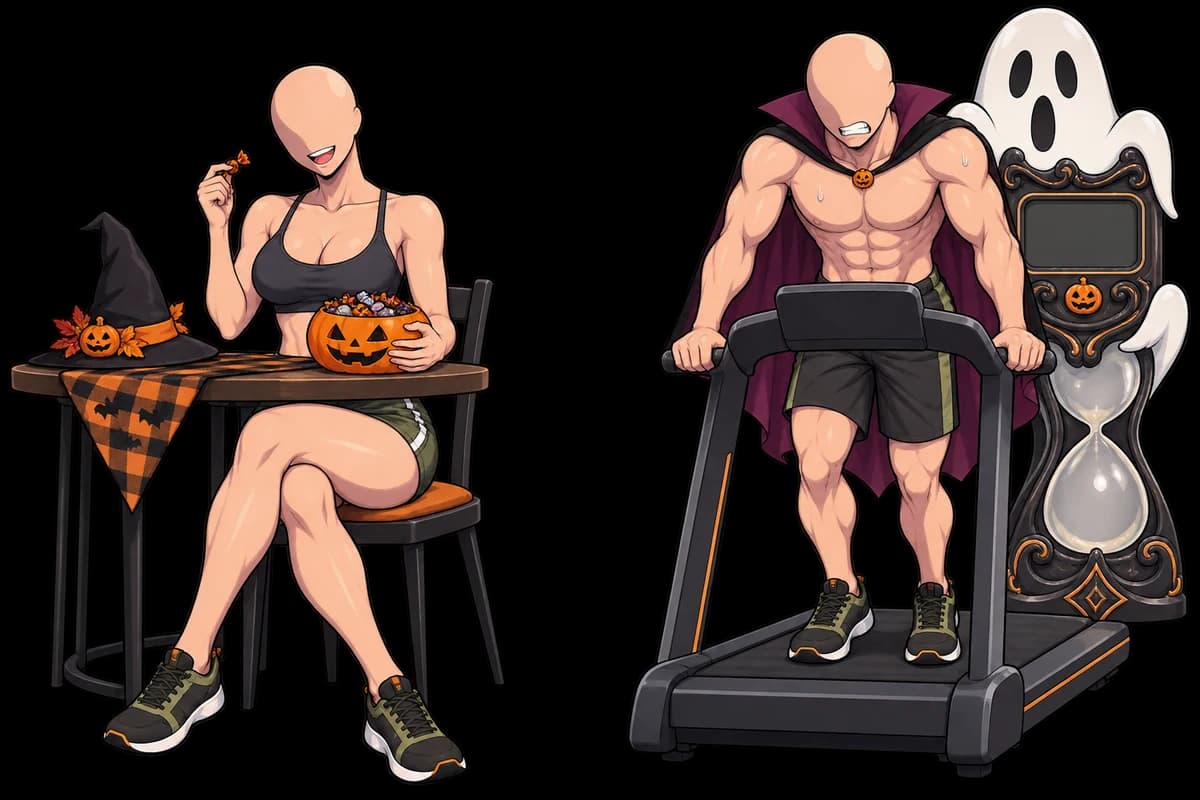
Respond to thoughts about compensation
Return to your usual varied meals. Adjust to your appetite, not an imaginary debt. Keep your daily rhythm and planned training.
- “I ruined everything.”
- “I will skip meals tomorrow.”
- “I owe a double workout.”
Return to familiar habits after a celebration
Our choice: a routine you can sustain, with room for a celebration. If compensation is frequent and distressing, talk to a qualified professional.
- Pick what you actually enjoy.
- Notice hunger and satisfaction.
- If you overate, simply return to your habits.
A practical way to use this
Keep planned sessions focused on their usual purpose: movement, training and routine. The day after a celebration does not require a compensation programme. Return to meals and activity that fit everyday life. If fear of food or the urge to compensate becomes intrusive, seek appropriate support.
Context and limits
NIDDK advises returning to healthy habits after overeating. Rejecting “punishment” is our coaching perspective, not a finding from a Halloween candy trial.
If restriction or compensation is frequent and distressing, a qualified professional can help.
From the post to your practice
Explore the carousel.
Explore the visual version of this topic on @zepraug.
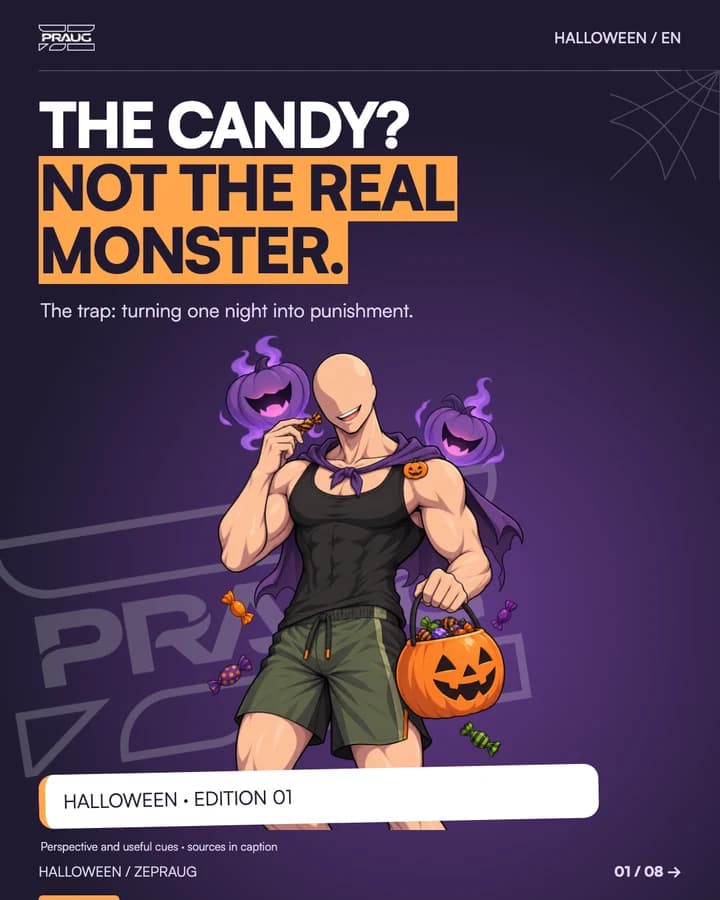
Candy and exercise: moving beyond compensation
The carousel is coming to Instagram. Scheduled for 27 October 2026.
Sources and limitations
Sources support the passages that cite them. Practical suggestions are coaching choices to adapt to your own situation.
- NIDDK · Eating & Physical Activity to Lose or Maintain Weight ↗
- NIDDK · Changing Your Habits for Better Health ↗
This general information does not replace individual advice. Zepraug’s limitations.