Training· 3 min read
Nordic hamstring curl: setup, technique and progression
Other names: Nordic curl
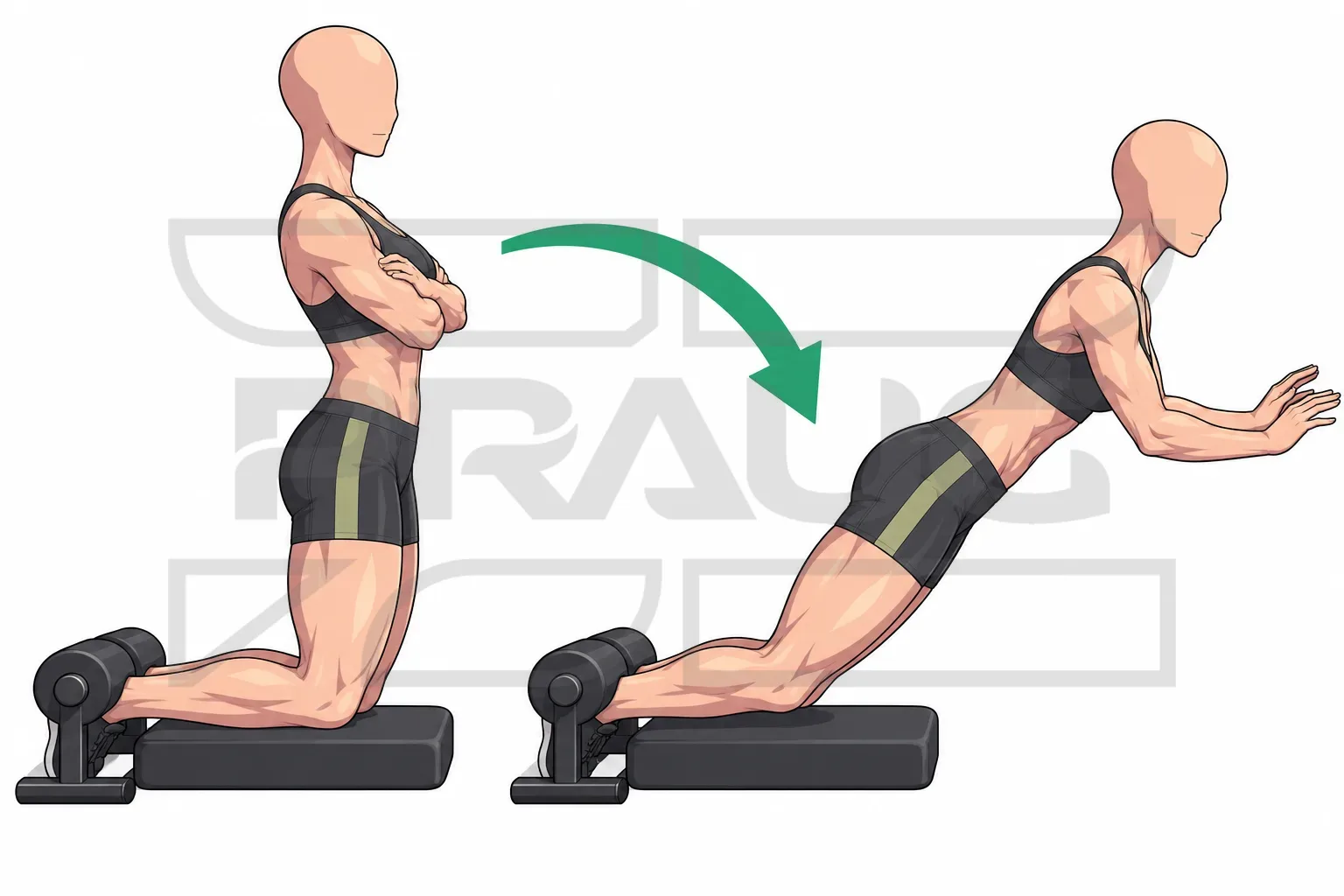
A Nordic hamstring curl lowers the body forwards from kneeling while the hamstrings resist knee extension. It requires secure ankle restraint, suitable knee padding and a planned supported return. Reaching the floor without help is optional.

Certified fitness coach · CQP Instructeur Fitness
Published on
The essentials before you start.
- Practise the setup, support and return before adding demand.
- Keep the intended range and movement repeatable.
- The cited outcomes apply to particular tasks and populations.
- Choose the workload within the whole week.
Exercise facts
- Main muscles
- Biceps femoris, Semitendinosus, Semimembranosus
- Secondary muscles
- Gluteus maximus, Abdominals, Gastrocnemius
- Equipment
- Bodyweight, Purpose-built secure Nordic ankle restraint, Suitable knee padding and planned hand support
What the movement trains
The hamstrings resist the forward lowering while the trunk and hips retain the intended alignment. Hand or band assistance changes the demand; eccentric lowering is the focus of this version, not proof that the return is always irrelevant.
Set up and perform the movement
- Use equipment designed for Nordic restraint, checking its anchor and padding. Do not trap the ankles beneath unsecured furniture.
- Set knee padding and a clear landing and hand-support area. Practise a short assisted return before a demanding set.
- Begin with a manageable knee, hip and trunk position and suitable assistance if needed.
- Lean forwards only through the distance that can be controlled, rather than waiting for an uncontrolled fall.
- Take planned hand support or assistance before control fails, and return smoothly.
- End while the release from the restraint and the exit remain secure.
Range, support and control
A band needs an intact band and intended anchor clear of the face. Shorter range and more hand assistance are legitimate choices. A reverse Nordic changes the knee action and is not the same exercise with a different name.
What the cited research supports
The review pooled fifteen studies and 8,459 athletes. Programmes including Nordic work had fewer hamstring injuries on average than comparison programmes. That does not guarantee an individual outcome, isolate a dose for every gym-goer or show that one exercise replaces a complete prevention programme.
Variations and alternatives
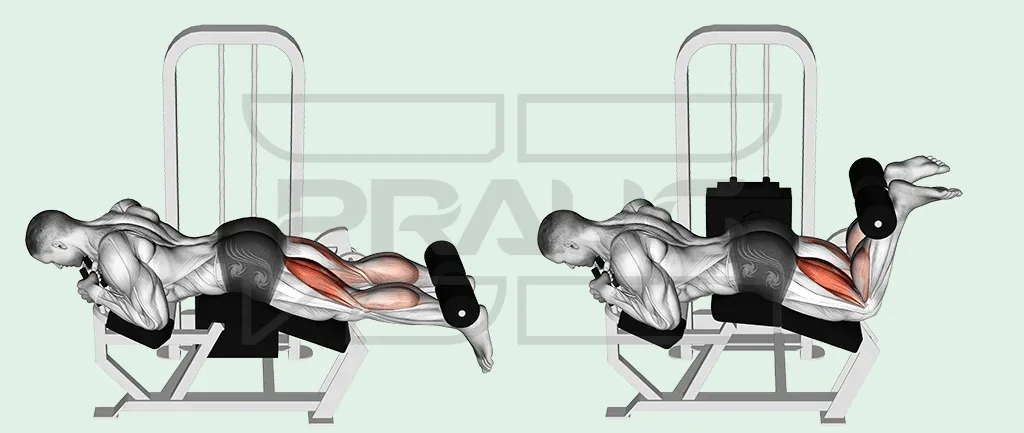
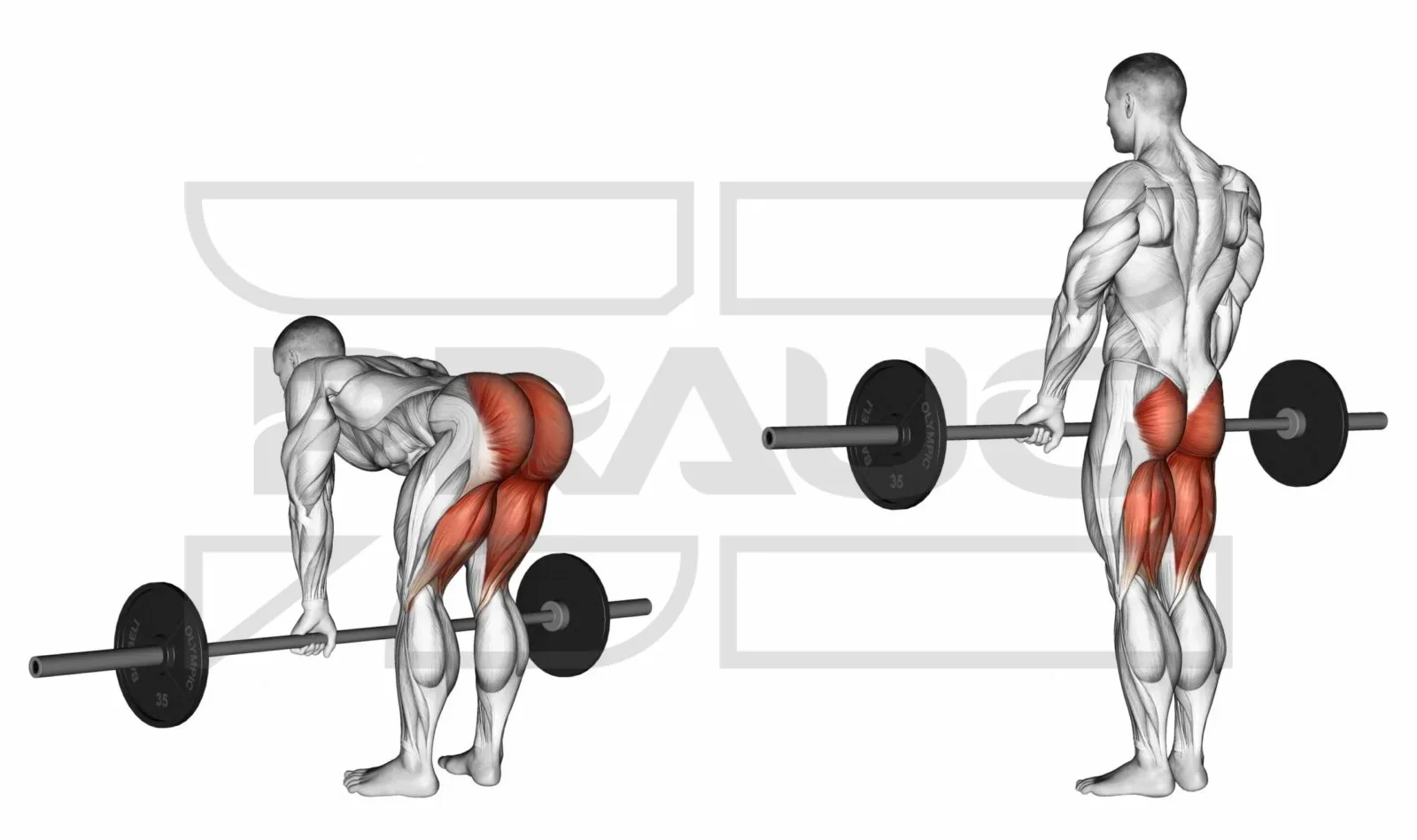
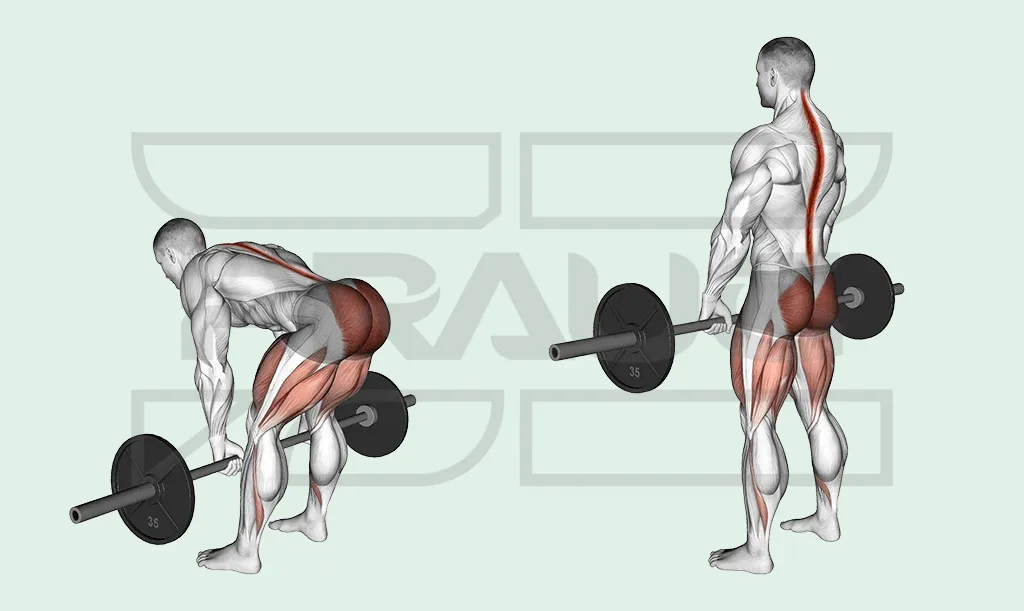
A lying curl or seated curl changes support and resistance. A stiff-leg deadlift is a different hip task.
Sets, progression and tracking
One learning example is 1–3 short sets of 3–5 assisted repetitions, using less when needed. Allow sufficient rest and manage unfamiliar work alongside other hamstring loading. No fixed slow-lowering duration or unassisted floor repetition is compulsory.
Choose the amount and assistance deliberately. These extended examples are not levels to pass or doses validated for every person. More sets, repetitions and slower lowering need not increase together.
| Possible option | Sets | Repetitions | Lowering cue |
|---|---|---|---|
| Assisted practice | 2–3, or fewer | 3–5 | Around 3–4 s if controlled; shorter range as needed |
| Repeated controlled work | 3–4, or fewer | 5–8 | Around 4–5 s if controlled; use assistance |
| Optional extended work | 4–5, or fewer | 8–12, or fewer | A slower descent is optional; stop before losing support |
Frequently asked questions
Does Nordic work guarantee no hamstring injury?
No. The review estimates average programme effects across athletes. It does not provide an individual guarantee or replace management of the rest of training.
When should I add demand?
When the setup, range and effort are repeatable and the next change is manageable. Log changed support or assistance rather than comparing different tasks as if they were identical.
Sources and limitations
Sources support the passages that cite them. Practical suggestions are coaching choices to adapt to your own situation.
- van Dyk et al. · 2019 · Systematic review and meta-analysis of fifteen prevention studies involving 8,459 athletes. ↗
Programmes including Nordic work had fewer injuries on average; no individual guarantee or isolated universal gym dose.
This general information does not replace individual advice. Zepraug’s limitations.