Training· 3 min read
Stiff-leg deadlift: setup, technique and progression
Other names: Stiff-legged deadlift
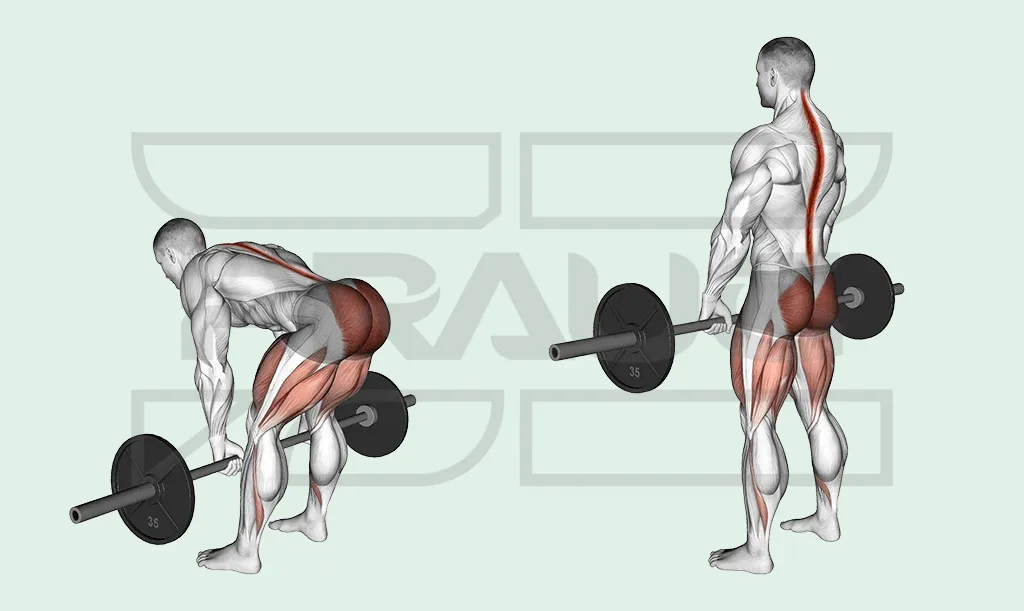
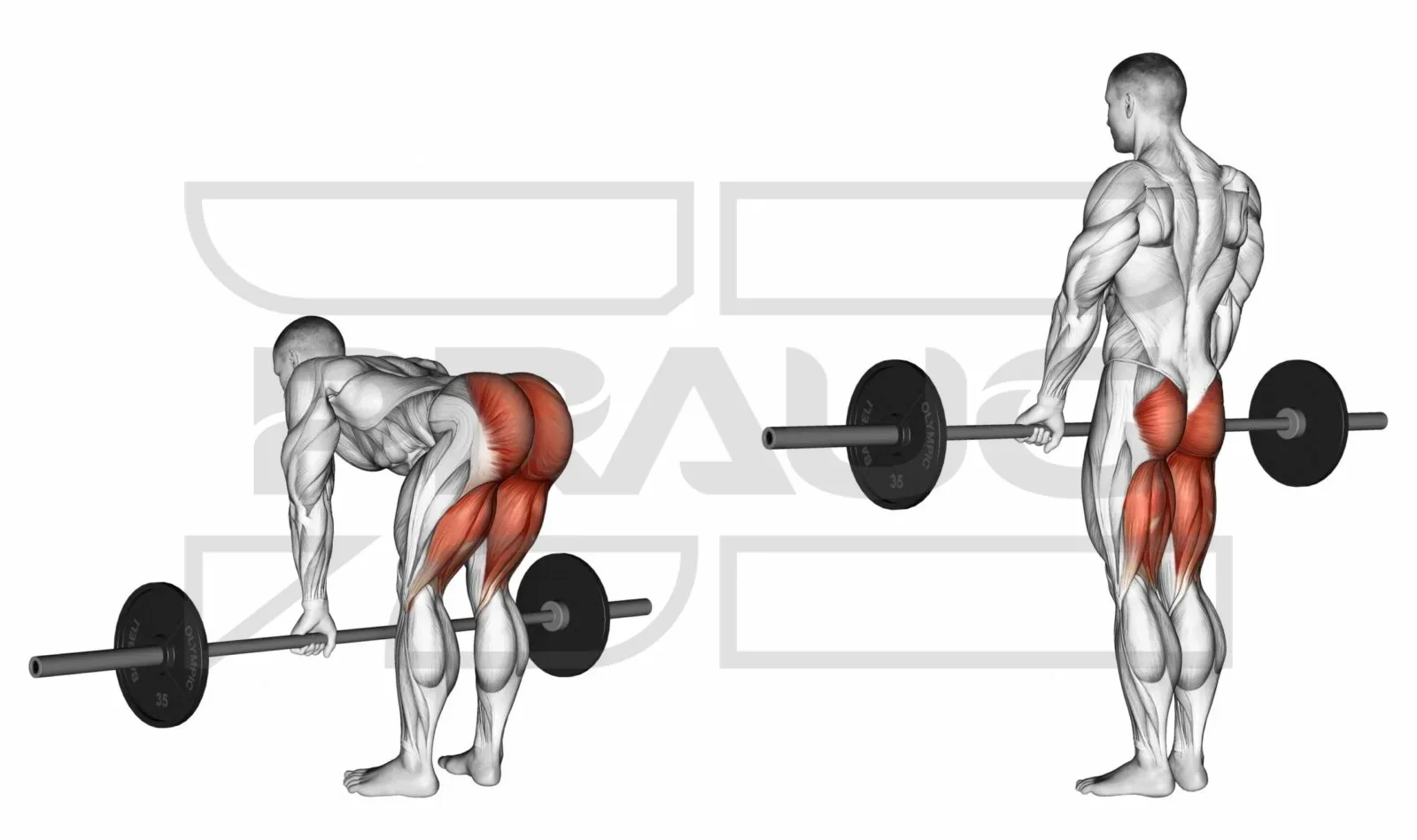
A stiff-leg deadlift hinges at the hips with a relatively small, controlled knee bend. Terminology overlaps with the Romanian deadlift, so record the actual start, knee movement and range. Floor contact is not required for every repetition.

Certified fitness coach · CQP Instructeur Fitness
Published on
The essentials before you start.
- Practise the setup, support and return before adding demand.
- Keep the intended range and movement repeatable.
- The cited outcomes apply to particular tasks and populations.
- Choose the workload within the whole week.
Exercise facts
- Main muscles
- Hamstrings, Gluteus maximus
- Secondary muscles
- Spinal erectors, Trapezius and rhomboids, Latissimus dorsi, Finger flexors, Abdominals
- Equipment
- Barbell, Dumbbells
What the movement trains
The hamstrings and gluteals contribute to hip extension while the trunk and grip support the implement. A longer hamstring position is not a reason to force a maximal stretch or rigidly lock the knees.
Set up and perform the movement
- Plan a secure pickup and return with a suitable barbell or dumbbells. Start light and use a clear area.
- Set stable feet and a small comfortable knee bend. Take a secure grip.
- Hinge backwards at the hips while keeping the implement near the legs and the torso controlled.
- Lower only through the range you can retain without reaching for the floor or forcing the back and neck into a fixed shape.
- Extend the hips to stand without throwing the torso backwards.
- Return the load securely; do not add unnecessary steps while holding a demanding weight.
Range, support and control
Knee motion, start height and equipment make nominally similar deadlifts different tasks. Dumbbells, blocks and a rack start need their own setup. A pronounced stretch sensation is not a direct measurement of useful loading.
What the cited research supports
The nine-week trial compared stiff-leg deadlifts, Nordic training and no training in thirty-six untrained people. Both trained groups increased whole-hamstring size with different selective patterns. It did not compare this task with Romanian deadlifts, prove a mandatory combination or isolate every technique cue.
Variations and alternatives
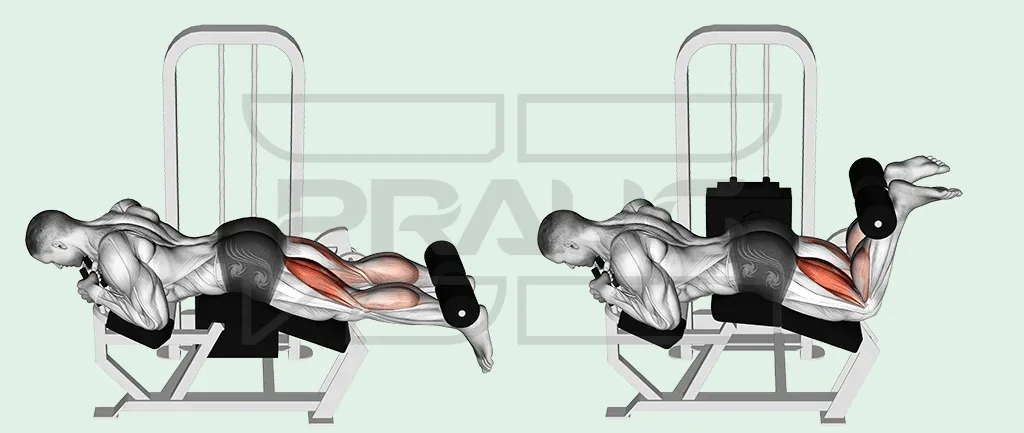
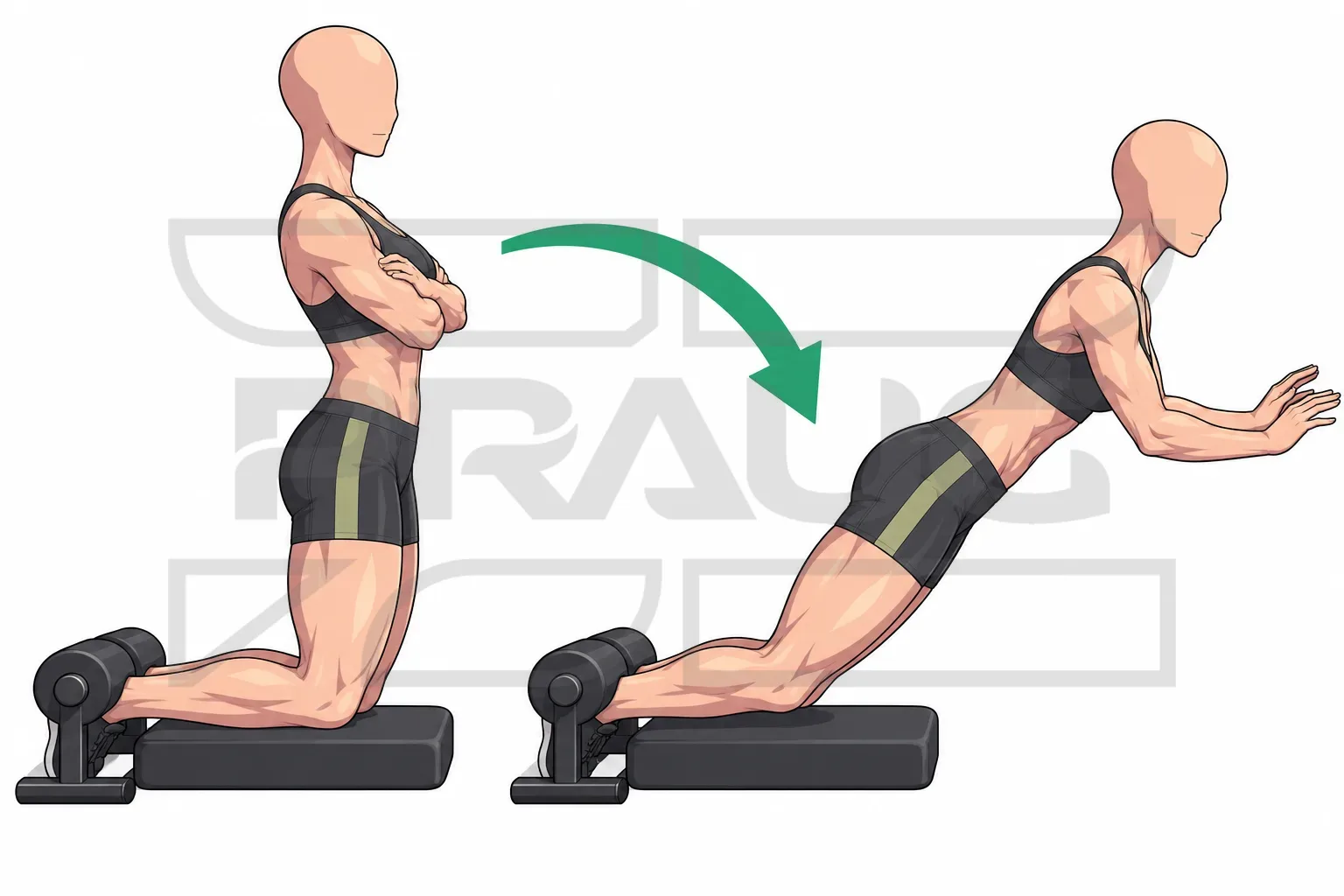
A Romanian deadlift is defined by its actual knee and start positions. A leg curl trains knee flexion, and a Nordic uses a different lever.
Sets, progression and tracking
One example is 2–4 sets of 6–12 controlled repetitions with sufficient rest, often two minutes or more as needed. Record implement, start height, knee bend, range and effort within the weekly hamstring workload.
Frequently asked questions
Must the bar reach the floor?
No. Use the intended range you can control. Reaching farther by changing the back or knee movement is a different task, not automatically progress.
When should I add demand?
When the setup, range and effort are repeatable and the next change is manageable. Log changed support or assistance rather than comparing different tasks as if they were identical.
Sources and limitations
Sources support the passages that cite them. Practical suggestions are coaching choices to adapt to your own situation.
- Morin et al. · 2025 · Nine-week stiff-leg deadlift versus Nordic versus control trial in thirty-six untrained people. ↗
Whole and selective hamstring size and strength transfer; no Romanian-deadlift comparison or validated mandatory combination.
This general information does not replace individual advice. Zepraug’s limitations.