Training· 3 min read
Lying leg curl: setup, technique and progression
Other names: Prone leg curl
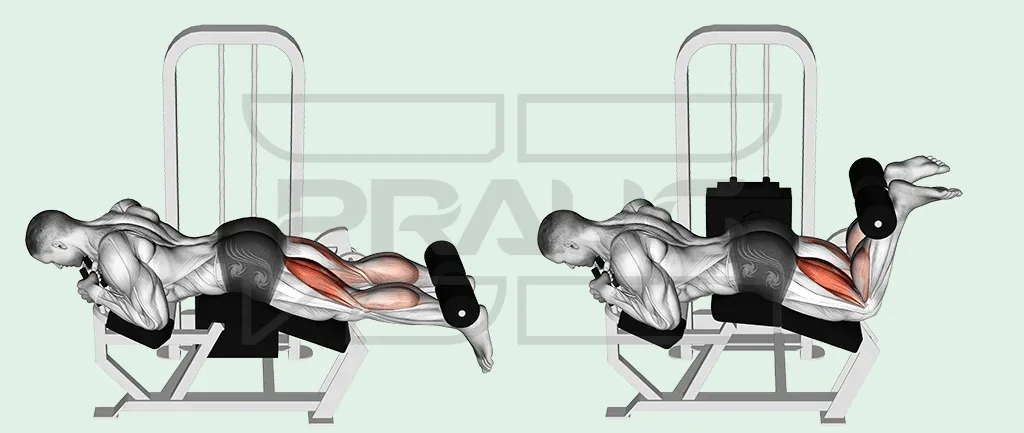
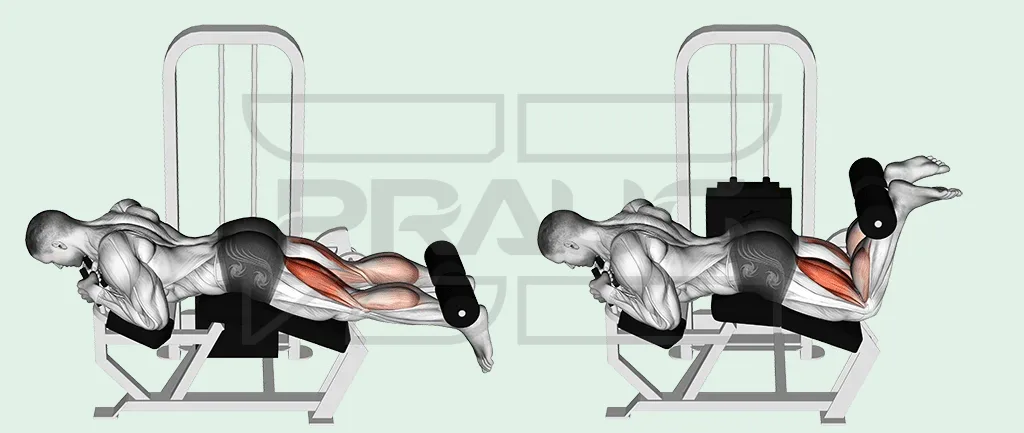
A lying leg curl bends the knees against a machine roller while the torso rests on a prone support. Set the machine around the actual knee and lower-leg position. A supported torso does not make hip or back movement impossible.

Certified fitness coach · CQP Instructeur Fitness
Published on
The essentials before you start.
- Practise the setup, support and return before adding demand.
- Keep the intended range and movement repeatable.
- The cited outcomes apply to particular tasks and populations.
- Choose the workload within the whole week.
Exercise facts
- Main muscles
- Hamstrings: biceps femoris, semitendinosus and semimembranosus
- Secondary muscles
- Gastrocnemius
- Equipment
- Lying leg-curl machine
What the movement trains
The hamstrings flex the knee, with the gastrocnemius also able to contribute. Hip position changes the length of the hamstrings that cross the hip; their short-headed and long-headed components do not all respond identically.
Set up and perform the movement
- Adjust the machine’s support, knee alignment and roller position according to its instructions.
- Lie comfortably with the lower legs under the roller and grip the handles. Keep the roller clear of the heel tendon as directed.
- Choose a starting range and load that let the pelvis retain contact without forceful back arching.
- Bend the knees smoothly through a manageable range rather than requiring the heels to touch the buttocks.
- Lower under control without letting the stack jerk the knees straight.
- Settle the load before moving the legs out and leaving the support.
Range, support and control
Foot angle, pad and machine cam change the task. Squeezing the gluteals does not mechanically prevent every pelvic movement. A band, ball or suspension leg curl needs a different support and handling method.
What the cited research supports
The twelve-week MRI trial found growth with both seated and prone curls, with greater whole and biarticular-hamstring changes in the seated condition. That does not mean prone work is useless or every seated setup is better for everyone. The Nordic review concerns injury-prevention programmes, not a direct lying-curl comparison.
Variations and alternatives
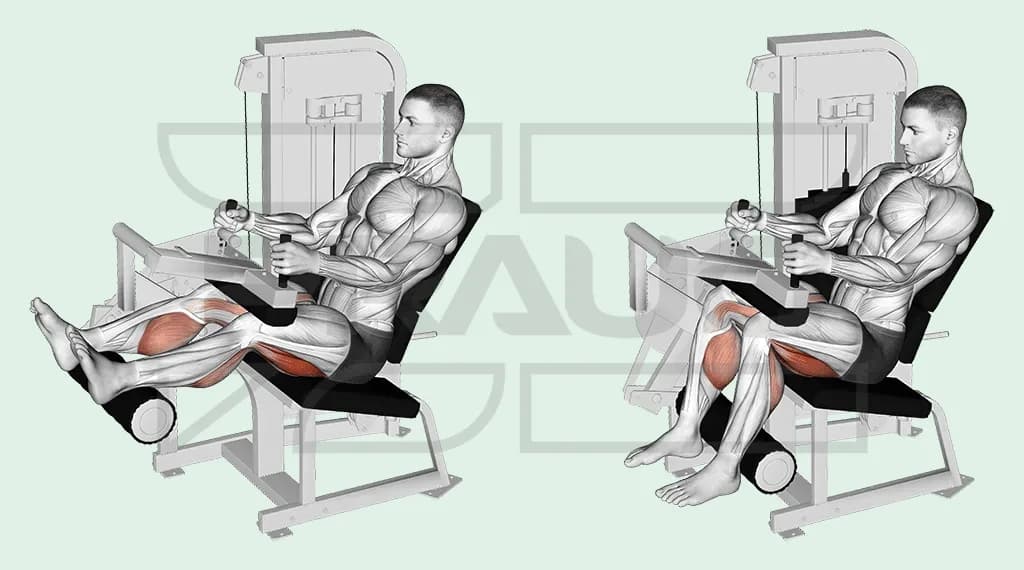
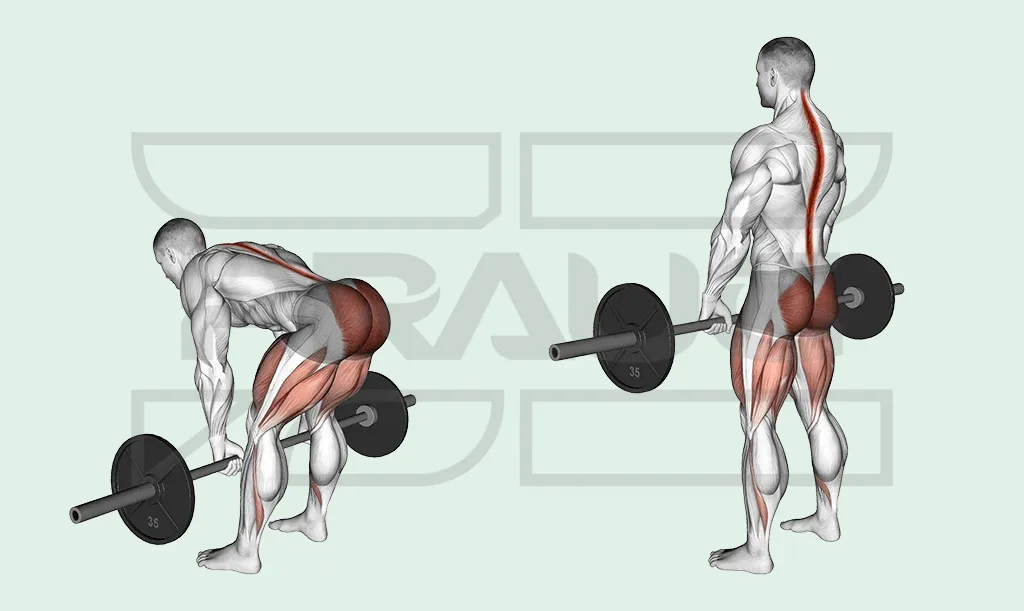
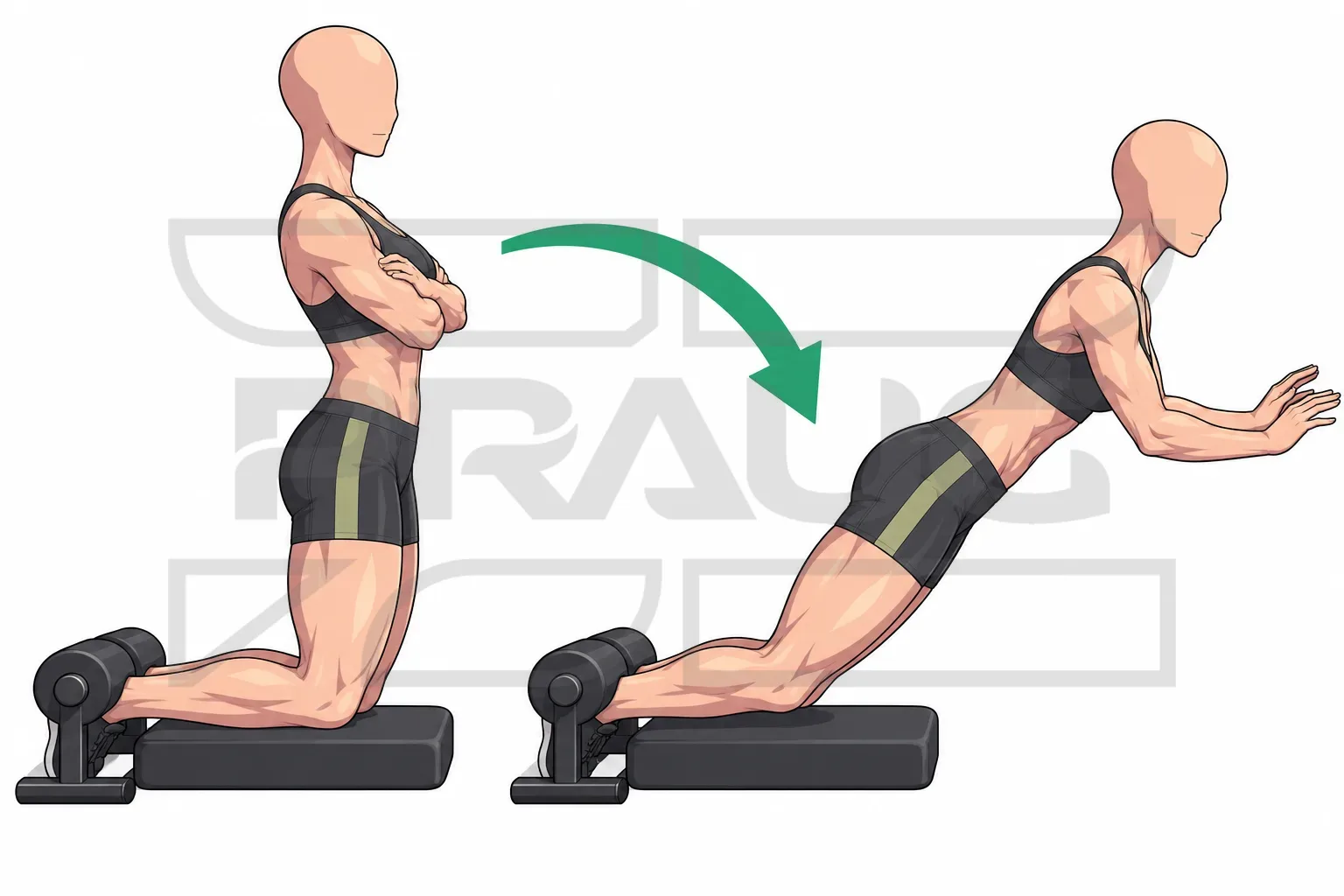
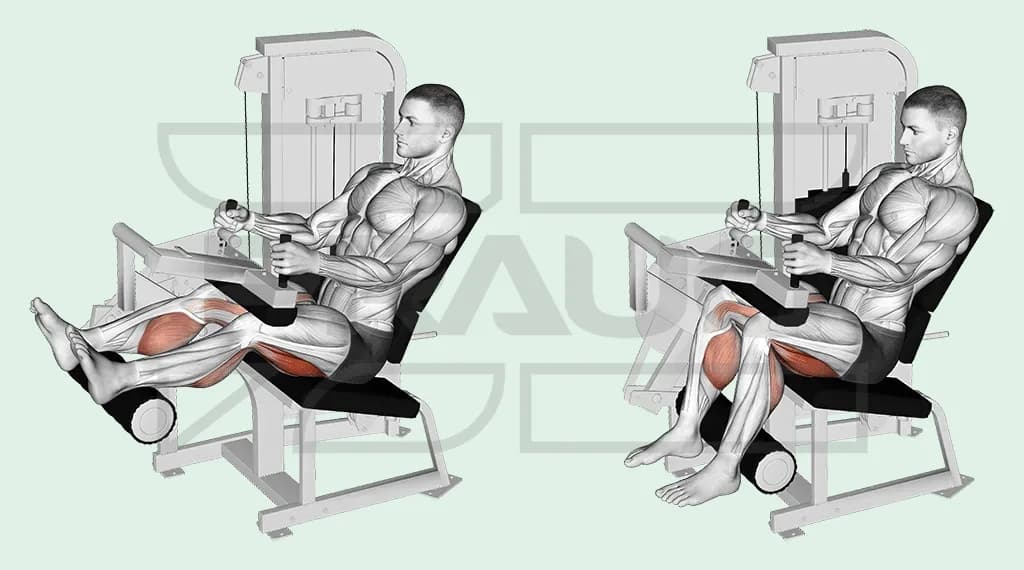
A seated leg curl changes hip position. A Nordic curl changes support and lever. A stiff-leg deadlift trains a hip-extension task.
Sets, progression and tracking
One example is 2–4 sets of 8–15 repetitions with sufficient rest to retain support. Record machine, hip position, roller, knee range and effort. It need not always be added after every hinge or squat.
Illustrated positions and options
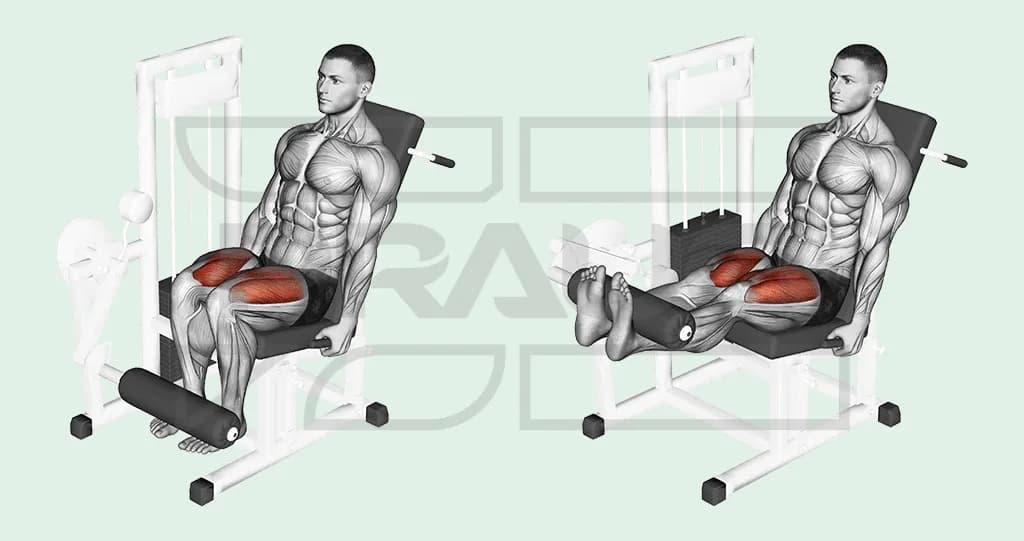
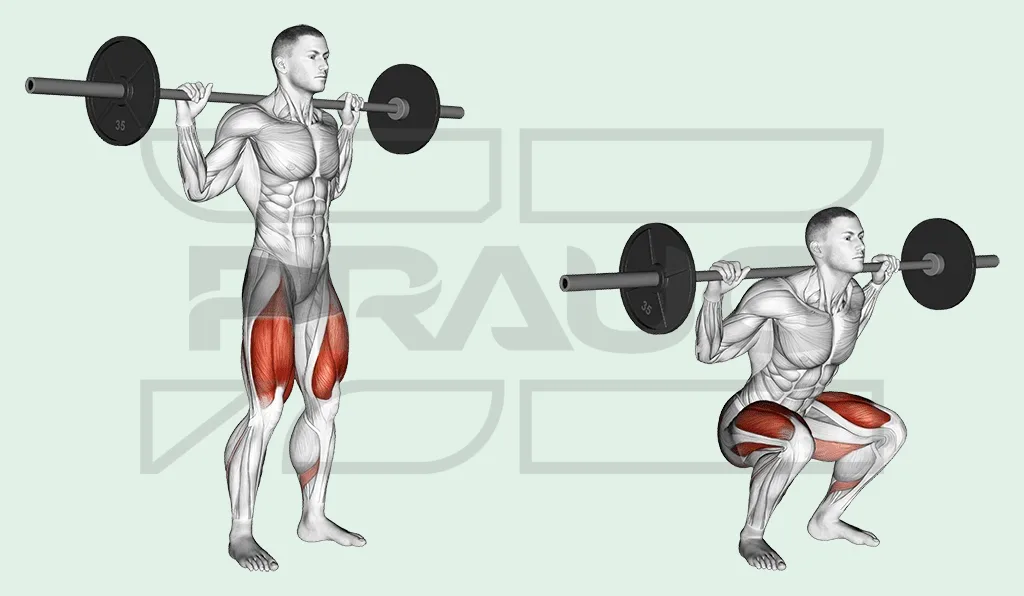
The images show example positions rather than individual depth, load or exercise-order prescriptions. Choose suitable support and a controlled finish.
Illustrated option 1
Illustrated option 2
Illustrated option 3
Illustrated option 4
Frequently asked questions
Did the trial show no growth from lying curls?
No. Both conditions grew under the tested protocol; seated training produced greater changes in several measured hamstring outcomes.
When should I add demand?
When the setup, range and effort are repeatable and the next change is manageable. Log changed support or assistance rather than comparing different tasks as if they were identical.
Sources and limitations
Sources support the passages that cite them. Practical suggestions are coaching choices to adapt to your own situation.
- Maeo et al. · 2021 · Twelve-week seated versus prone leg-curl training in twenty adults, with MRI volumes. ↗
Both grew; seated favoured whole and biarticular hamstrings under this protocol. No universal individual machine ranking.
- van Dyk et al. · 2019 · Systematic review and meta-analysis of fifteen prevention studies involving 8,459 athletes. ↗
Programmes including Nordic work had fewer injuries on average; no individual guarantee or isolated universal gym dose.
This general information does not replace individual advice. Zepraug’s limitations.