Training· 4 min read
Lying barbell triceps extension: setup, technique and progression
Other names: Barbell skull crusher
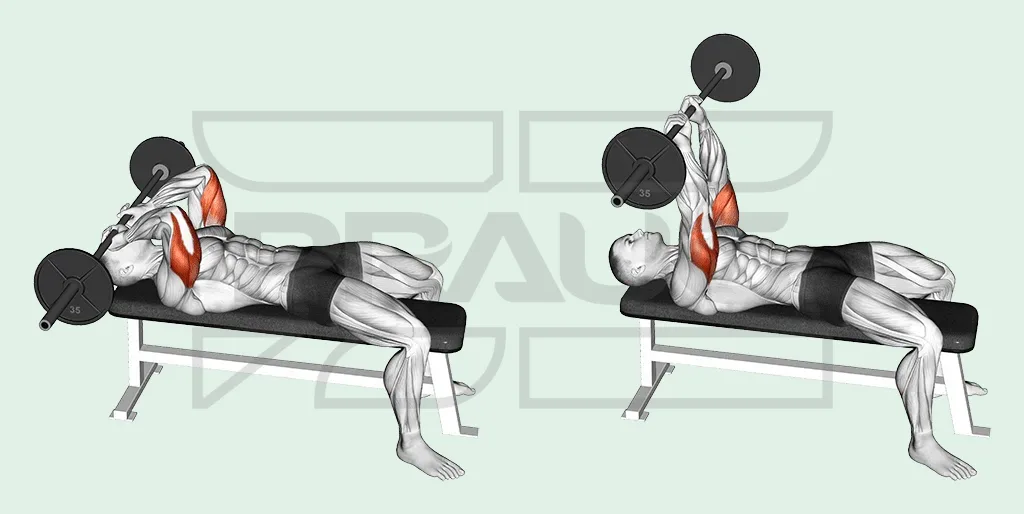
A lying barbell triceps extension bends and straightens the elbows while a bar is held above the upper body on a bench. It is sometimes called a barbell skull crusher. Choose a manageable load, a controlled path clear of the face and a practised way to start and finish; touching the forehead is not the goal.

Certified fitness coach · CQP Instructeur Fitness
Published on
The essentials before you start.
- Choose a secure setup and a manageable starting demand.
- Keep the intended support, arm path and range repeatable.
- The cited studies have specific populations and exercise limits.
- Count this work within the whole week rather than adding every variation.
Exercise facts
- Main muscles
- Triceps brachii
- Secondary muscles
- Anconeus, Deltoids, Forearm grip muscles
- Equipment
- EZ or straight bar, Flat bench
What the movement trains
The triceps extend the elbows, while the hands, shoulders and trunk help hold the bar and upper-arm position. The long head crosses the shoulder as well as the elbow, so upper-arm angle changes its position. This does not isolate one head or make the barbell version the universally best heavy isolation exercise.
Set up and perform the movement
- Check a stable bench, suitable bar and secure loading. Plan the pickup and return, using appropriate assistance if needed.
- Lie with feet supported and a comfortable trunk position. Take a full grip on an EZ or straight bar at a width you can control.
- Bring the bar to a controlled position above the upper body. A small upper-arm angle towards the head is one option; do not force the shoulders into it.
- Bend the elbows slowly, moving the bar through a path that stays clear of the face and head. Use a range you can control rather than aiming to make contact.
- Extend the elbows smoothly to return to the same position. Avoid a forceful snap or turning each repetition into a press.
- End the set before the bar path or return becomes uncertain. Bring the bar to its planned support with control.
Range, control and common changes
Keep the upper arms reasonably steady for the intended elbow-extension task, without clamping the elbows painfully together. A path towards the forehead and a path further behind the head are different shoulder arrangements. Reduce the load when changing the path; a fixed depth or perfectly immobile upper arm is not an individual safety test.
What the cited research does and does not show
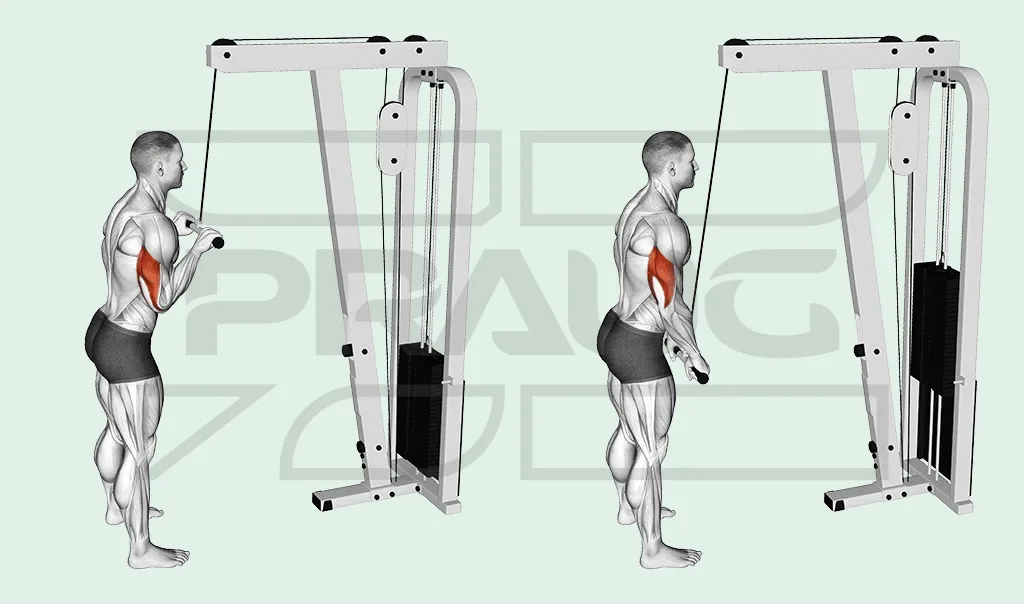
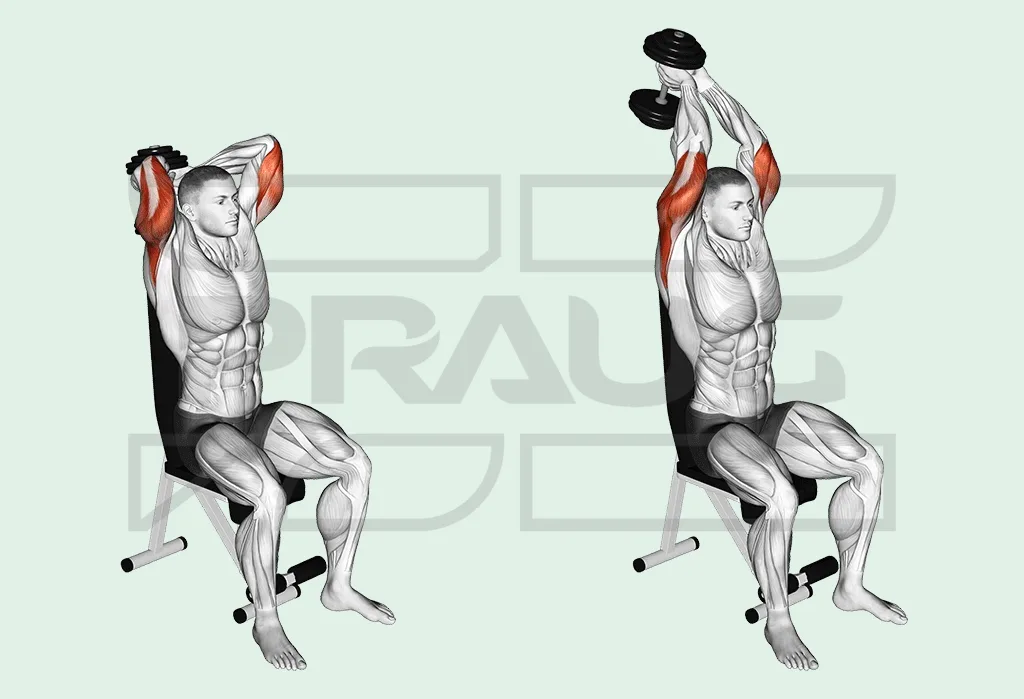
The cable trial did not test a lying barbell extension. The acute lying/overhead comparison used dumbbells, not a barbell, and did not measure growth or elbow comfort.
Variations and alternatives
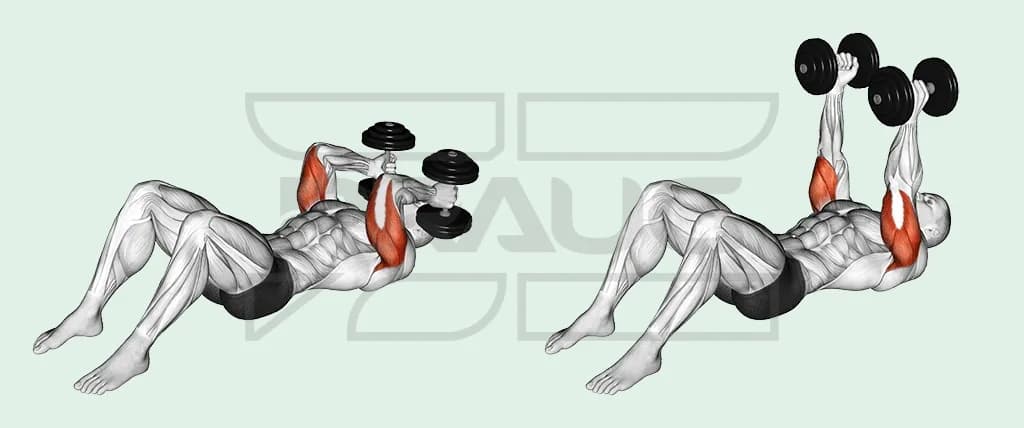
An EZ bar and a straight bar offer different wrist positions. Dumbbell skull crushers allow independent paths. A lying cable version changes the line of resistance; an overhead cable extension changes shoulder position. Relearn the load rather than treating all versions as identical.
Sets, progression and tracking
One coaching example is 2–4 sets of 8–15 controlled repetitions, with sufficient rest to repeat the chosen bar path. Account for pressing and other elbow extensions in the week. Record bar type, grip, upper-arm position, range and load; use a manageable increment after the current work becomes repeatable.
Frequently asked questions
Should the bar touch my forehead?
No. Use a controlled path clear of the face and a repeatable range. The name does not prescribe contact.
Is an EZ bar guaranteed to solve elbow discomfort?
It changes the grip and may suit your setup, but the cited studies did not establish an individual comfort or treatment advantage.
When should I add demand?
When the chosen task, support and range are repeatable and the next increment is manageable. Record the setup and effort, and account for the rest of the week.
Sources and limitations
Sources support the passages that cite them. Practical suggestions are coaching choices to adapt to your own situation.
- Maeo and al. · 2023 · Cable elbow-extension training with two shoulder positions. ↗
Specific one-arm protocol; no accessory or combined-routine comparison.
- Alves and al. · 2018 · Activity during lying and overhead dumbbell extensions. ↗
Brief acute testing; not growth, barbell work or joint tolerance.
This general information does not replace individual advice. Zepraug’s limitations.