
Training· 5 min read
Your first pull-up: assistance, practice and progression
Progress towards a pull-up by practising a suitable vertical pull, using assistance when needed and keeping the task repeatable. A first repetition, five repetitions and ten are possible goals, not universal gates or a promised timetable. You do not need to pursue weight loss to follow this guide.

Certified fitness coach · CQP Instructeur Fitness
Published on
The essentials before you start.
- Use assistance that permits controlled vertical practice.
- A first, fifth or tenth repetition is a goal, not a compulsory gate.
- Body-size correlations do not prescribe weight loss.
- Record assistance, range and effort rather than testing a maximum every session.
What a pull-up asks you to do
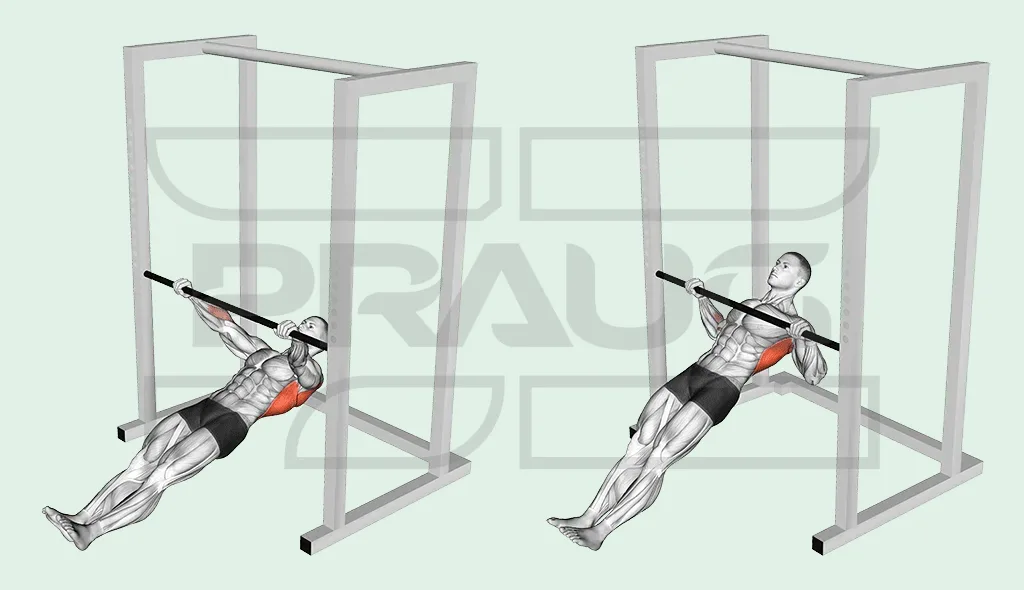
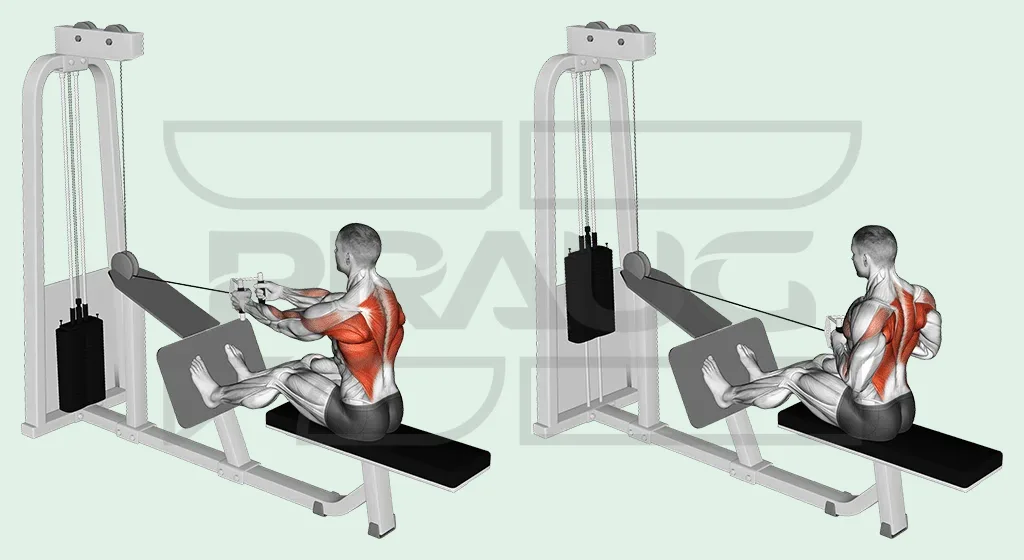
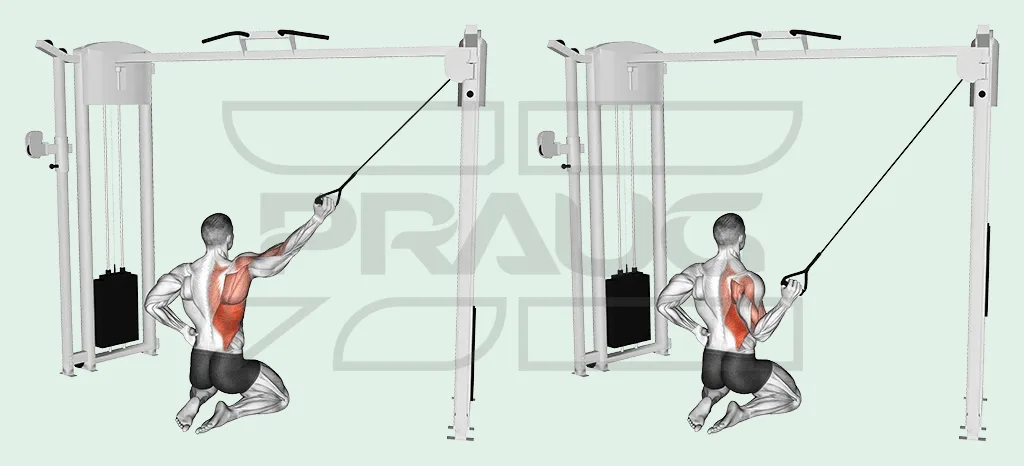
The back and elbow flexors help lift the body, the grip holds the bar and the trunk helps control the position. An inverted row offers horizontal practice, while a lat pulldown adjusts vertical resistance. Useful overlap does not make either identical to a pull-up.
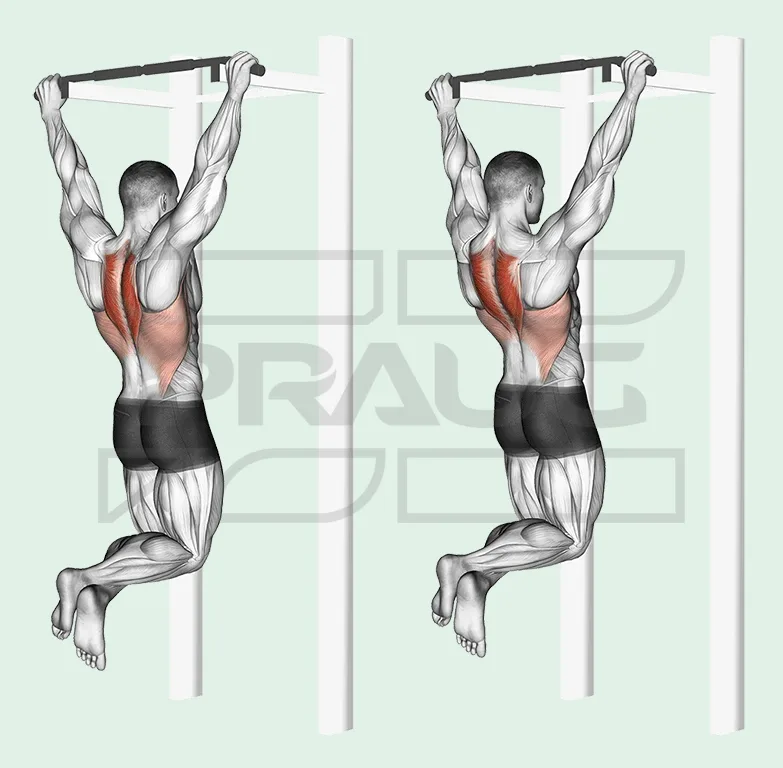
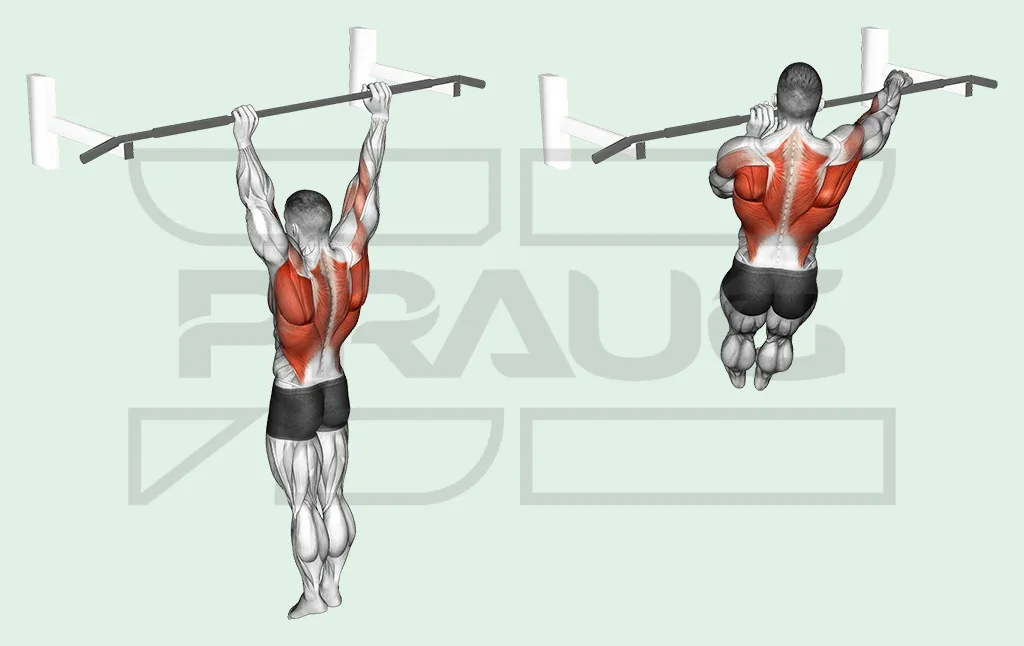
Choose a secure bar and a controlled way to mount and dismount. A clean repetition uses a defined range without a leg kick or a head throw to force clearance. Let the shoulder blades move rather than holding them permanently down.
When an unassisted repetition is not available
Possible limits include grip, pulling capacity, unfamiliar technique, the available range or the setup. Body mass changes the task but a single failed attempt does not identify a diagnosis or establish that changing weight is necessary.
The college-women training study and the trained-men correlation study involve different populations. Associations between strength, mass and pull-up performance do not establish weight loss as a sufficient or appropriate progression method for an individual.
Working towards the first repetition
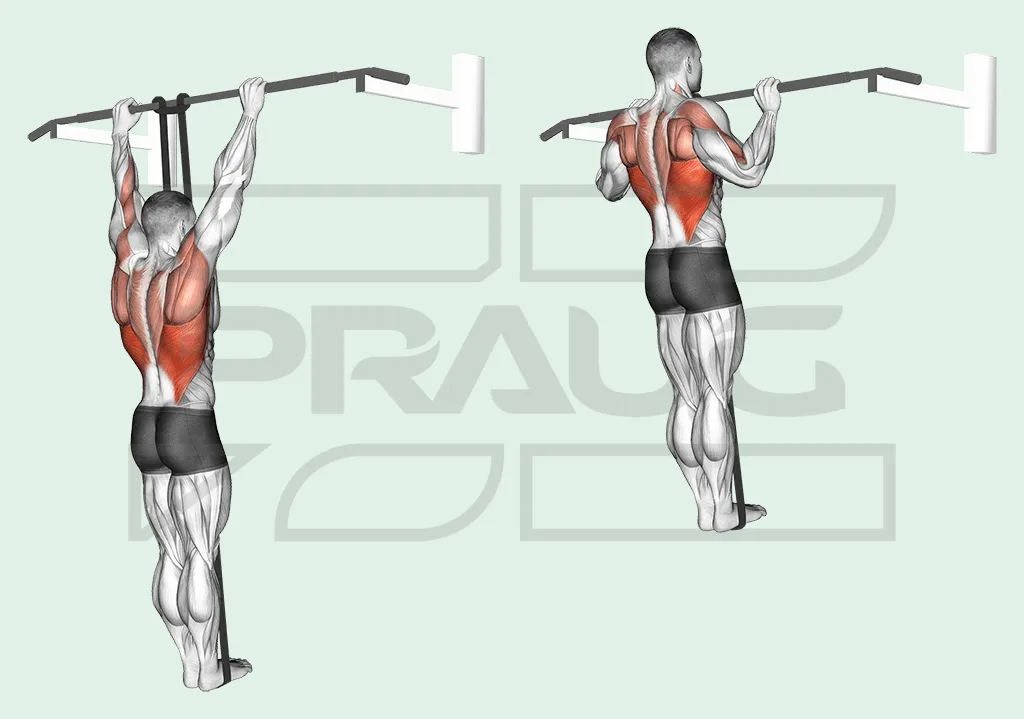
Use appropriate assistance to practise a manageable vertical pull. An assisted machine gives a different resistance arrangement from an elastic band; a band’s help varies with stretch. Record the setup rather than treating band colours as standard loads.
For a band-assisted version, inspect the band and use the attachment and access method intended by its manufacturer. Mount from a secure support rather than balancing while stretching a band into place. Finish with the feet securely supported before releasing the loaded band; keep it away from a path towards the face. If the mount or release is awkward, choose an assisted station or another manageable task.
- Check the bar or assisted station, anchor and access support. Start with a load or assistance that lets you repeat the motion.
- Practise a few sets of controlled assisted repetitions, stopping before the intended technique is lost. Two or three sets of three to six is one adjustable example.
- If using lowering-only practice, start from a secure purpose-built support and use few manageable repetitions. A slow descent can be demanding and is not mandatory.
- Use inverted rows or pulldowns as optional related work rather than assuming only scapular repetitions unlock the first pull-up.
- Reduce assistance gradually when the existing work is repeatable. Test an unassisted repetition when appropriate, without turning every session into a maximum attempt.
Building more repeatable repetitions
Once a repetition is available, distribute a manageable number of similar repetitions across sets. For example, several short sets can preserve range better than one maximum effort followed by increasingly partial repetitions. There is no requirement to reach five before changing anything.
Two or three weekly practice exposures are one arrangement, with recovery and other pulling work considered. More sessions multiply demand unless sets are redistributed. A reduced-assistance or higher-repetition session should not automatically become a larger version of everything at once.
Beyond five or ten: choose the next task
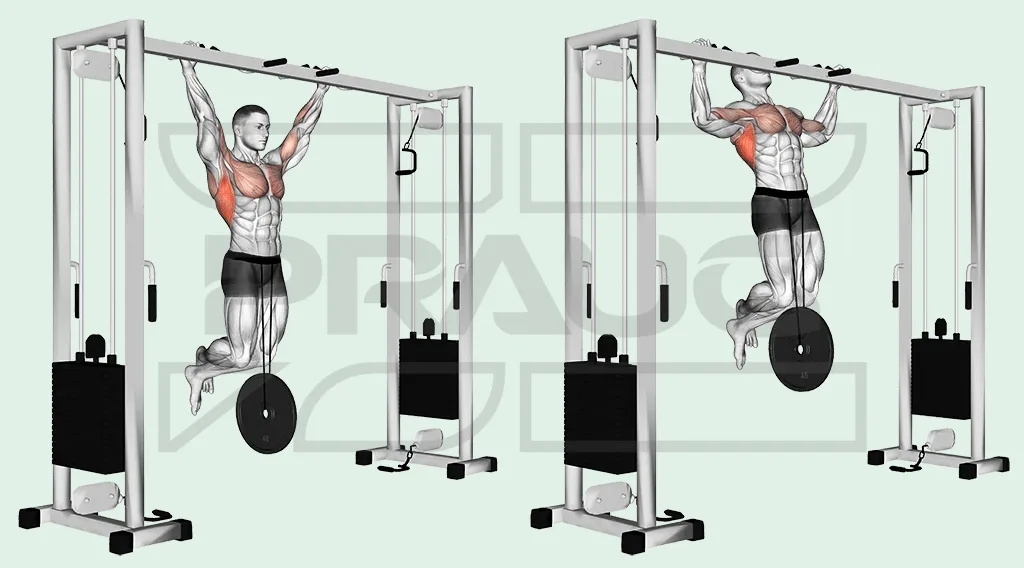
You can continue building repetitions, change assistance, use another grip or consider a small external load for a strength goal. Weighted pull-ups need a secure loading and dismount method; ten repetitions is not a validated universal threshold.
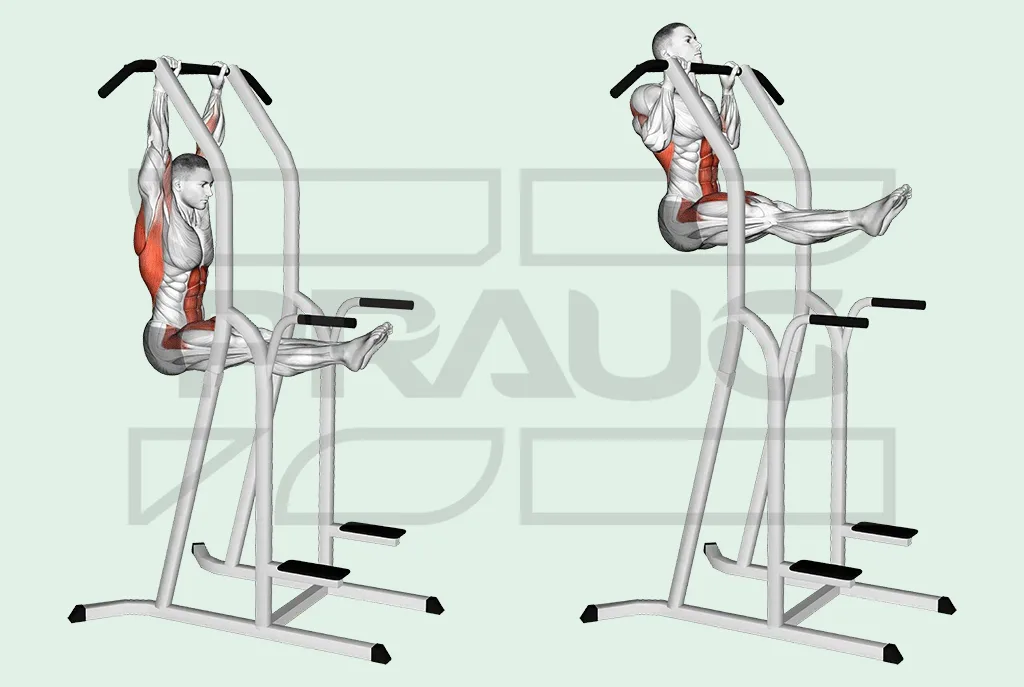
An L-sit pull-up adds leg-position demands, while an archer version changes the side-to-side task. These are optional skills, not compulsory stages or evidence that standard pull-ups have stopped being useful.
Grip is a choice, not a shortcut
Overhand, underhand and neutral grips change hand and arm position. Choose one you can use with a suitable range and setup. A study of grip width in trained men does not identify the most comfortable grip or the fastest route for all beginners.
Stop for sharp pain, and seek individual advice about persistent symptoms. A new grip or more scapular work does not diagnose or treat the cause.
Illustrated positions and options
These show example positions and equipment. An illustration is not a required range, individual loading instruction or validation of a particular support.
Illustrated option 1
Illustrated option 2
Illustrated option 3
Illustrated option 4
Frequently asked questions
How long will a first pull-up take?
There is no fixed timetable. Starting capacity, access to assistance, consistency and recovery differ.
Must I lose weight?
No such instruction follows from a failed attempt or the cited correlations. Choose practice suited to your circumstances.
Do scapular pull-ups have to come first?
They can be a separate controlled task, but they are not a proven universal prerequisite. Include appropriately assisted vertical practice.
Must I reach ten before adding weight?
No universal ten-repetition rule is established. A secure setup and repeatable movement matter, and loading is optional.
Sources and limitations
Sources support the passages that cite them. Practical suggestions are coaching choices to adapt to your own situation.
- Flanagan and al. · 2003 · Training study of college-age women working towards a pull-up. ↗
An older specific population and combined programme, not a comparison validating this progression ladder.
- Sánchez-Moreno and al. · 2016 · Pull-up performance and strength/body-size associations. ↗
Twenty-five trained men; correlation does not show that weight loss is necessary or sufficient.
- Ortega-Rodríguez and al. · 2021 · Grip width and pull-up performance in trained men. ↗
Fourteen men and acute tests; no beginner progression or shoulder-comfort outcome.
This general information does not replace individual advice. Zepraug’s limitations.