Training· 3 min read
Horizontal leg press: setup, technique and progression
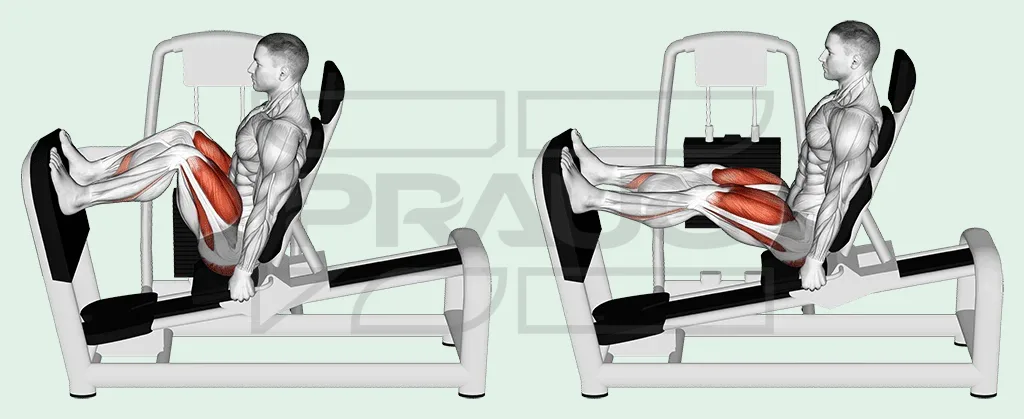
A horizontal leg press extends the hips and knees while the torso rests in a supported seat. The machine may move the platform or the seat. Back support changes demand, but does not remove spinal loading, balance considerations or setup skill.

Certified fitness coach · CQP Instructeur Fitness
Published on
The essentials before you start.
- Practise the setup, support and return before adding demand.
- Keep the intended range and movement repeatable.
- The cited outcomes apply to particular tasks and populations.
- Choose the workload within the whole week.
Exercise facts
- Main muscles
- Quadriceps
- Secondary muscles
- Gluteus maximus, Hip adductors, Hamstrings
- Equipment
- Horizontal leg-press machine
What the movement trains
The quadriceps, gluteals and adductors contribute, with other muscles supporting the position. Foot height, seat distance and knee range interact rather than selecting one muscle in isolation.
Set up and perform the movement
- Check the machine instructions, seat travel, starting lock and safety range.
- Adjust the seat and backrest so the feet reach the platform securely and the starting position is manageable.
- Keep the pelvis and back supported, take the handles and use a comfortable foot width and angle.
- Bend the hips and knees through a controlled range without the pelvis rolling away from support.
- Press through the whole foot to the intended finish without snapping the knees or lifting the heels.
- Return and settle the load using the intended mechanism before moving the feet or leaving.
Range, support and control
A ninety-degree start or thighs-to-chest depth is not compulsory. Do not force high, low, narrow or wide placements beyond a controllable foot and knee path. Load labels are not comparable across inclined, horizontal and lever-based presses.
What the cited research supports
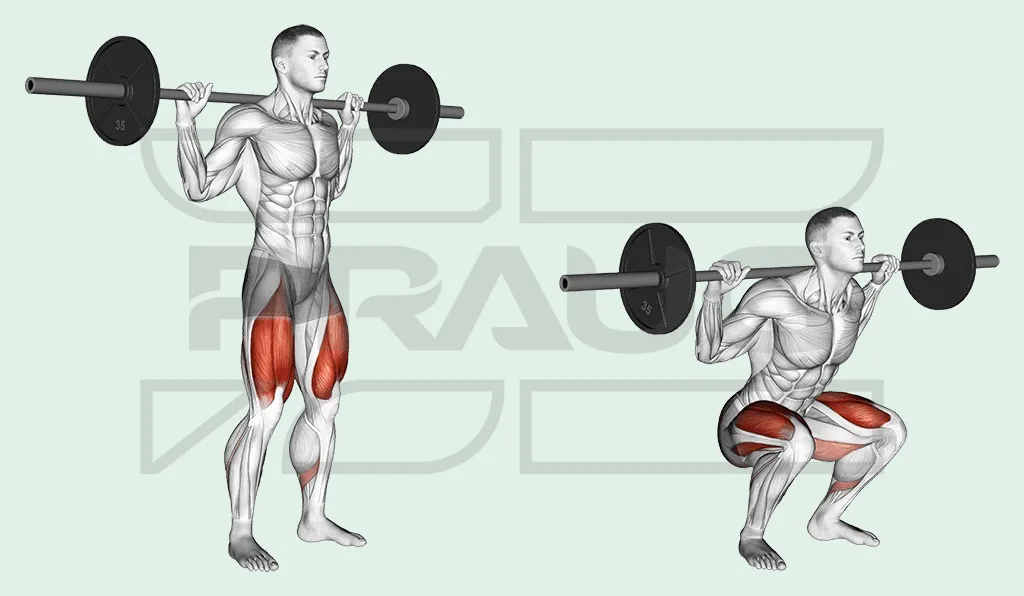
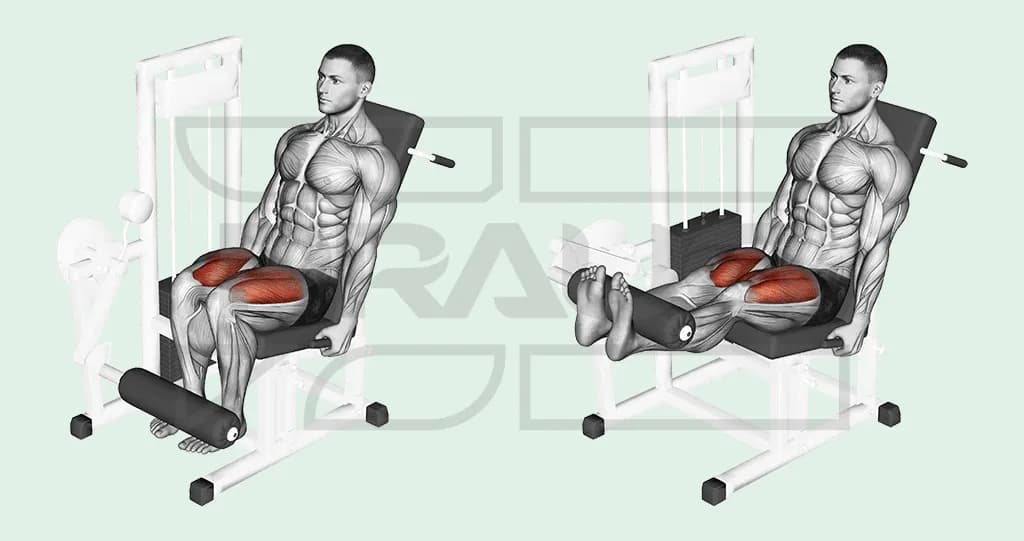
The small studies measured activity and estimated knee forces during particular squat and press configurations. They did not compare later growth on horizontal versus inclined machines, or establish zero back loading and a universal best foot position.
Variations and alternatives
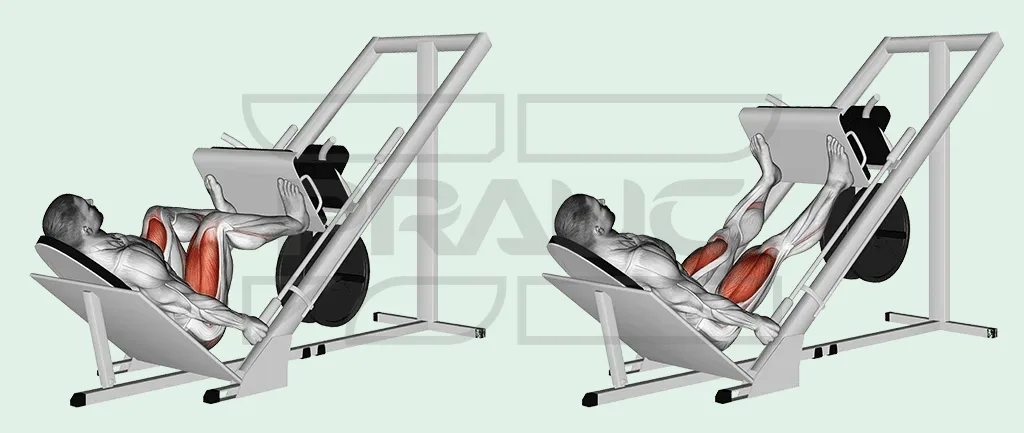
A forty-five-degree leg press changes the mechanism. A hack squat changes support. Calf work should use only a press that expressly permits that setup.
Sets, progression and tracking
An example is 2–4 sets of 8–15 repetitions with enough rest to retain the same seat and range. Record machine, feet, seat, depth, load and effort alongside other leg work.
Frequently asked questions
Does the backrest make the spine unloaded?
No. Support changes mechanics but is not evidence of zero force or a universal comfort guarantee.
When should I add demand?
When the setup, range and effort are repeatable and the next change is manageable. Log changed support or assistance rather than comparing different tasks as if they were identical.
Sources and limitations
Sources support the passages that cite them. Practical suggestions are coaching choices to adapt to your own situation.
- Escamilla et al. · 2001 · Squat and leg-press technique mechanics in ten experienced men. ↗
Activity and force estimates, not horizontal-versus-inclined machine growth or a universal best foot position.
- Escamilla et al. · 1998 · Activity and estimated knee forces during squat, press and knee-extension tasks in ten men. ↗
Brief testing at specified loads; no later injury-rate, growth or individual treatment comparison.
This general information does not replace individual advice. Zepraug’s limitations.