Training· 3 min read
Pendulum squat: setup, technique and progression
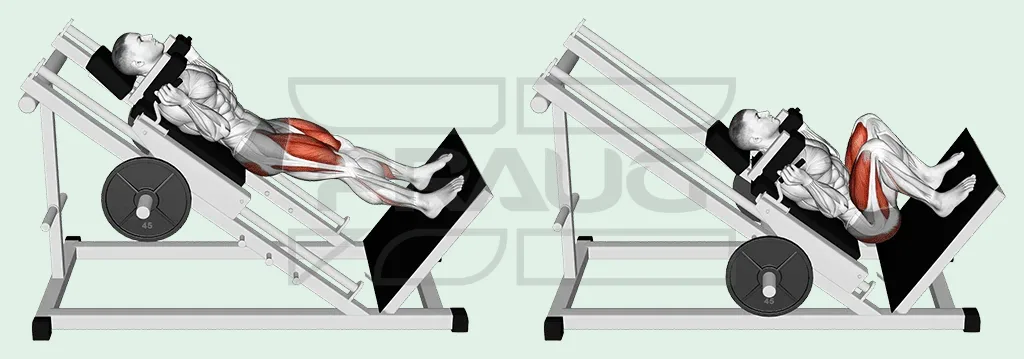
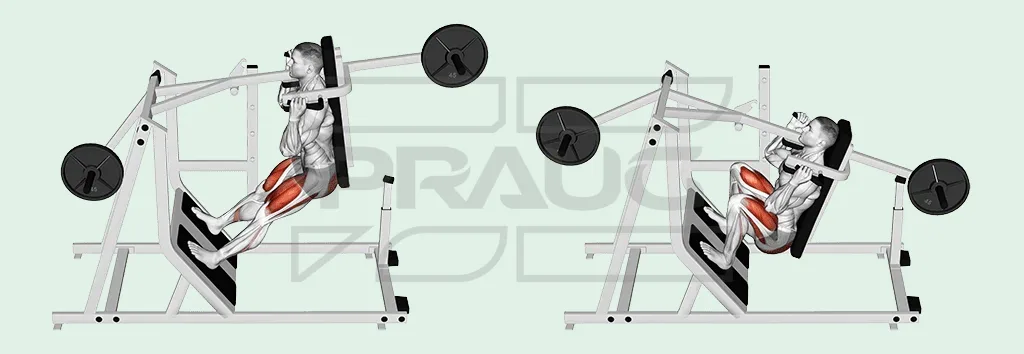
A pendulum squat uses a supported machine whose moving arm follows an arc as the hips and knees bend. Machines differ in leverage and counterbalance. Choose range and load for the actual device rather than transferring a hack-squat number.

Certified fitness coach · CQP Instructeur Fitness
Published on
The essentials before you start.
- Practise the setup, support and return before adding demand.
- Keep the intended range and movement repeatable.
- The cited outcomes apply to particular tasks and populations.
- Choose the workload within the whole week.
Exercise facts
- Main muscles
- Quadriceps
- Secondary muscles
- Gluteus maximus, Hip adductors
- Equipment
- Pendulum squat machine
What the movement trains
The quadriceps, gluteals and adductors contribute while the torso retains the intended support. An arc path changes leverage through the repetition; it does not isolate the quadriceps or remove all technique demands.
Set up and perform the movement
- Check the machine’s counterbalance, locking mechanism, stops and mounting procedure.
- Choose light demand and a stop setting that permits a controlled return.
- Set the back, shoulders, hands and feet on their intended supports.
- Release the machine as instructed and bend the hips and knees through a range that preserves foot and pelvic support.
- Press smoothly back without bouncing or snapping the knees.
- Engage and verify the lock before leaving the support.
Range, support and control
Foot placement and depth need to match body proportions and the device. A deeper barbell squat result does not mean every reader must reach maximum machine depth. Single-leg work is a separate setup with its own balance and locking demands.
What the cited research supports
The cited ten-week study used full and half barbell squats in seventeen men, not a pendulum machine. It found different growth outcomes by muscle. It does not establish the same effect for an arc path, an ideal platform position or individual tolerance.
Variations and alternatives
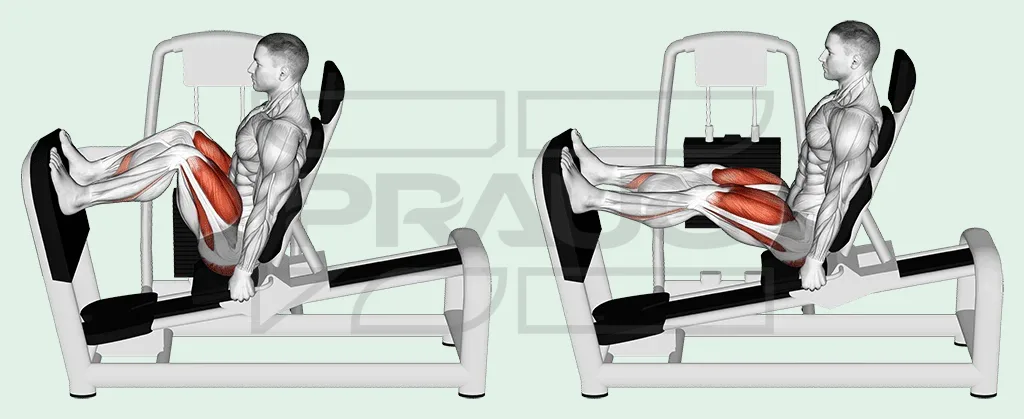
A hack squat, belt squat or horizontal press changes the support and resistance geometry.
Sets, progression and tracking
One example is 2–4 sets of 8–15 repetitions with adequate rest. Record machine, counterbalance setting if adjustable, foot placement, stops, range and effort. More depth and more plates are separate changes.
Frequently asked questions
Did the cited trial test this machine?
No. It tested barbell squat depth. It cannot establish every pendulum-machine range or loading choice.
When should I add demand?
When the setup, range and effort are repeatable and the next change is manageable. Log changed support or assistance rather than comparing different tasks as if they were identical.
Sources and limitations
Sources support the passages that cite them. Practical suggestions are coaching choices to adapt to your own situation.
- Kubo et al. · 2019 · Ten-week full versus half barbell-squat training in seventeen men, with MRI muscle volumes. ↗
Muscle-specific changes in free squats; no pendulum-machine comparison or universal depth prescription.
This general information does not replace individual advice. Zepraug’s limitations.