Training· 3 min read
Belt squat: setup, technique and progression
A belt squat applies resistance through a belt around the hips while the hips and knees bend. Moving the load away from the shoulders changes the task, but does not make spinal loading or trunk effort disappear.

Certified fitness coach · CQP Instructeur Fitness
Published on
The essentials before you start.
- Practise the setup, support and return before adding demand.
- Keep the intended range and movement repeatable.
- The cited outcomes apply to particular tasks and populations.
- Choose the workload within the whole week.
Exercise facts
- Main muscles
- Quadriceps
- Secondary muscles
- Gluteus maximus, Hip adductors, Hamstrings, Calf muscles
- Equipment
- Belt squat machine, Suitable belt-squat belt
What the movement trains
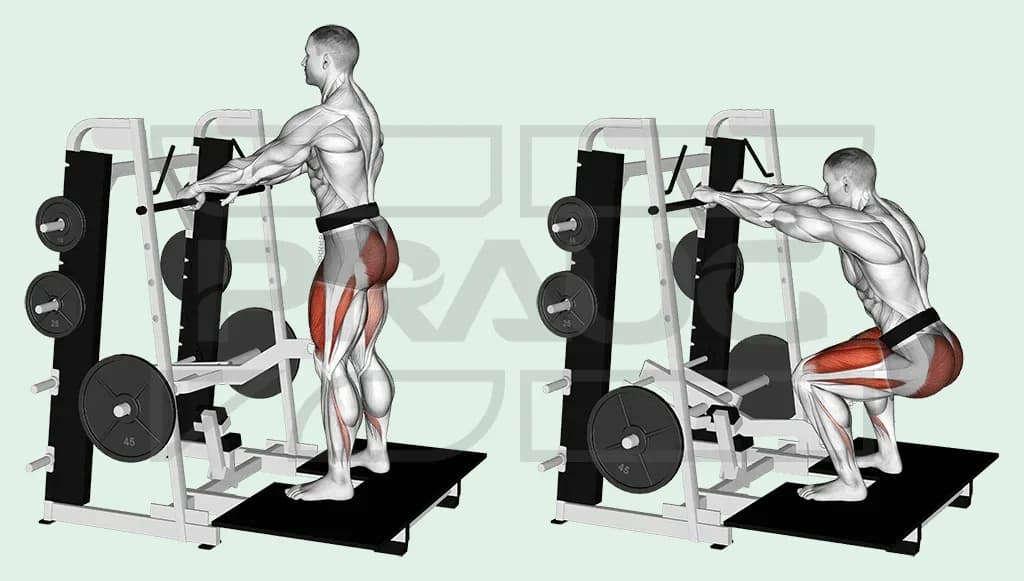
The quadriceps, gluteals and other lower-body muscles contribute while the trunk maintains the intended position. Machine geometry, belt attachment and hand assistance affect the exercise.
Set up and perform the movement
- Use a dedicated station or a setup expressly designed and rated for belt squats; check the belt and attachment.
- Practise mounting, connecting and releasing a light load using the manufacturer’s sequence.
- Place the belt as intended around the hips, keeping the attachment clear of the body and platform.
- Set stable feet and use the intended handles for controlled support, recording any deliberate hand assistance.
- Bend the hips and knees through a range that retains foot contact and trunk control, then stand smoothly.
- Return the load to its support before disconnecting or stepping off the platform.
Range, support and control
Depth does not have to reach a universal parallel target. Avoid improvised platforms made from loose boxes, or suspended plates without designed clearance and support. Stack or plate totals do not transfer directly to a barbell squat.
What the cited research supports
The thirty-one-person comparison measured thigh and gluteal activity at five-repetition loads, without measuring lumbar loading. The ten-person comparison found less activity in several trunk muscles at a particular bodyweight load. Neither establishes zero spinal force, back-pain prevention or equal later growth.
Variations and alternatives
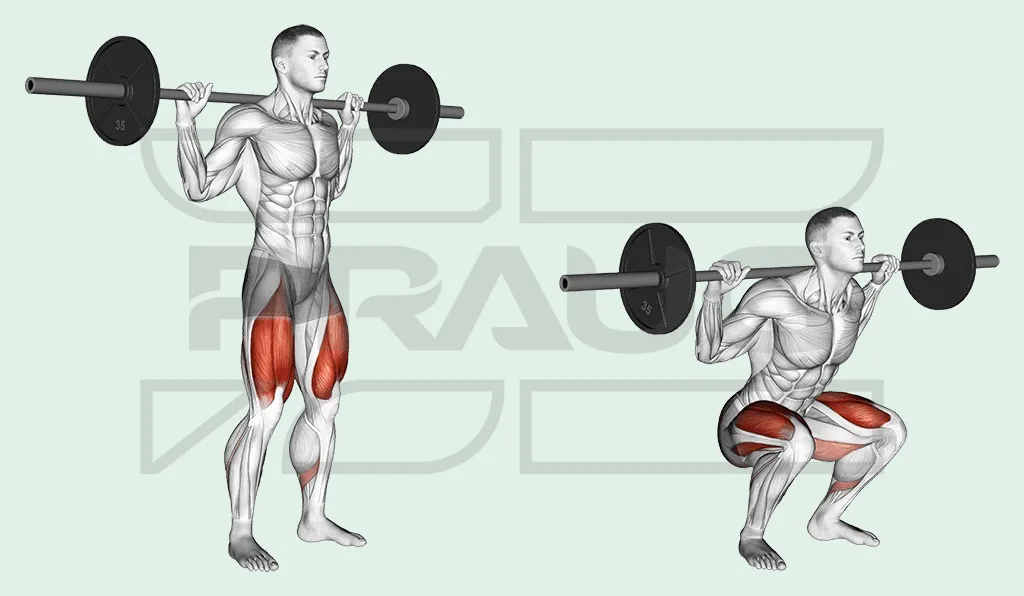
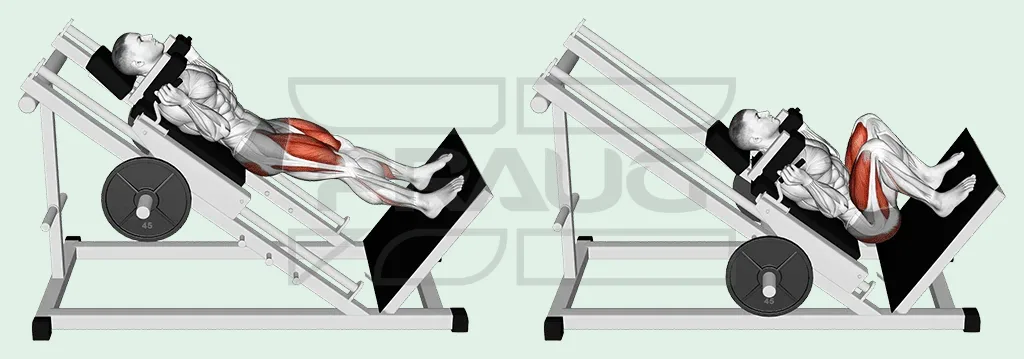
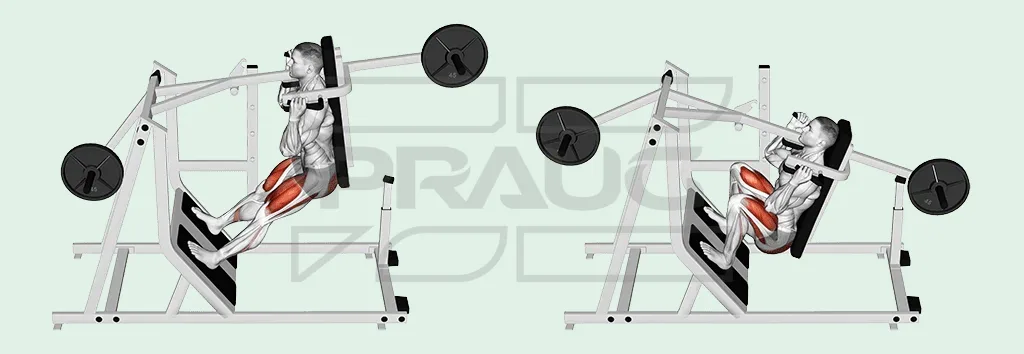
A barbell squat, hack squat or horizontal leg press changes support and loading. Choose the task rather than a universal back-sparing ranking.
Sets, progression and tracking
One example is 2–4 sets of 8–15 controlled repetitions with sufficient rest, often two minutes or more when needed. Record station, belt, hand support, range and effort. Choose the amount alongside other squats and presses.
Frequently asked questions
Does the belt remove all load from the spine?
No. The load is applied differently and trunk demands can change. The cited activity studies do not demonstrate an unloaded spine or an individual treatment.
When should I add demand?
When the setup, range and effort are repeatable and the next change is manageable. Log changed support or assistance rather than comparing different tasks as if they were identical.
Sources and limitations
Sources support the passages that cite them. Practical suggestions are coaching choices to adapt to your own situation.
- Evans et al. · 2019 · Five-repetition-load belt versus back squat activity comparison in thirty-one adults. ↗
Thigh and gluteal measurements; no lumbar force, pain-prevention or later growth outcome.
- Joseph et al. · 2020 · Belt versus back squat activity at a bodyweight external load in ten experienced participants. ↗
Lower activity in several trunk muscles is not zero spinal force, an injury prediction or a growth comparison.
This general information does not replace individual advice. Zepraug’s limitations.