Training· 3 min read
Reverse pec deck: setup, technique and progression
Other names: Reverse fly machine
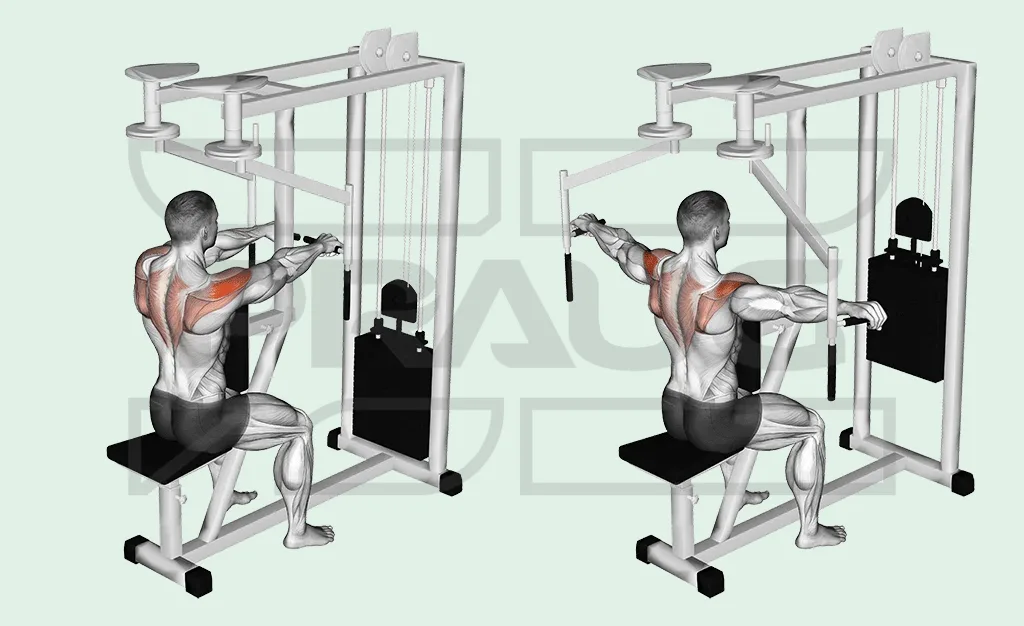
A reverse pec deck uses a machine intended for reverse-fly work, with the chest supported and the hands moving apart. Follow the machine’s adjustment instructions; simply turning around on any chest-fly machine does not establish a suitable reverse setup.

Certified fitness coach · CQP Instructeur Fitness
Published on
The essentials before you start.
- Use secure support and practise the pickup and return.
- Keep the intended arm path and range repeatable.
- Research results apply to specific tasks and measured outcomes.
- Choose the workload within the whole week.
Exercise facts
- Main muscles
- Posterior deltoid
- Secondary muscles
- Middle and lower trapezius, Rhomboids, Infraspinatus, Lateral deltoid
- Equipment
- Machine intended for reverse pec-deck use
What the movement trains
The posterior deltoid contributes to moving the upper arms outwards, with the rotator cuff and shoulder-blade muscles assisting. Chest support reduces some balance demands but does not make excessive torso movement or a forced end range harmless.
Set up and perform the movement
- Check that the machine supports reverse-fly use and set the arms and starting position according to its instructions.
- Adjust the seat so the handles permit a manageable shoulder and elbow path, often around shoulder height.
- Sit facing the pad with supported feet and chest contact. Take a secure neutral or pronated grip available on the machine.
- Move the arms apart smoothly with a comfortable elbow bend, without thrusting the torso away from the pad.
- Stop at a controllable range rather than forcing the elbows far behind the torso.
- Return slowly and settle the stack before releasing the handles.
Range, support and control
The machine’s furthest setting is not automatically the right starting position. Let the shoulder blades move without forcing a hard squeeze. Different handles and lever designs require fresh load and range choices.
What the cited research supports
In nineteen trained men, the neutral-grip reverse-fly condition produced higher average posterior-deltoid and infraspinatus activity than the pronated condition. This was a brief machine experiment, not evidence that neutral grip produces more later growth, prevents pain or suits every machine.
Variations and alternatives
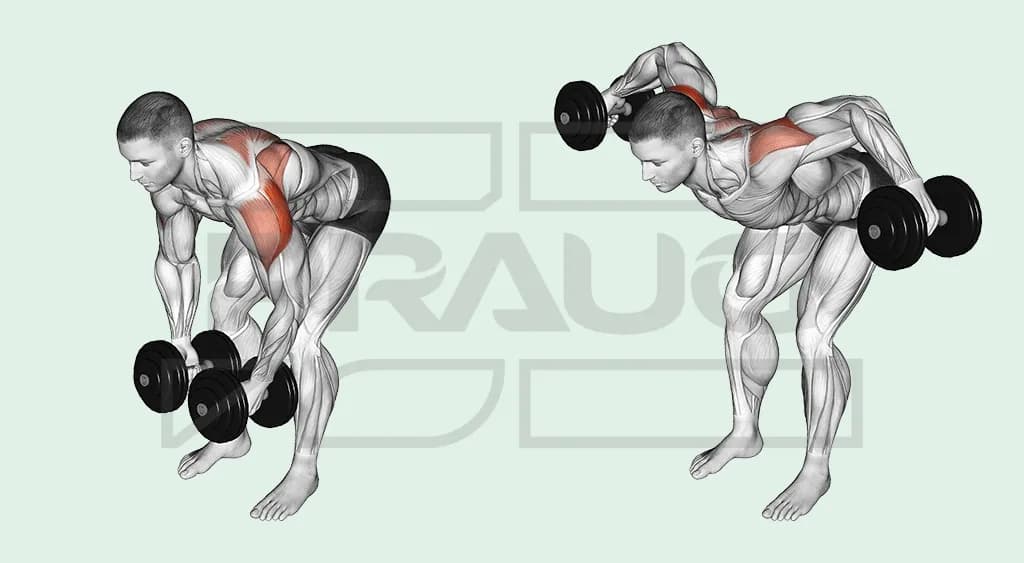
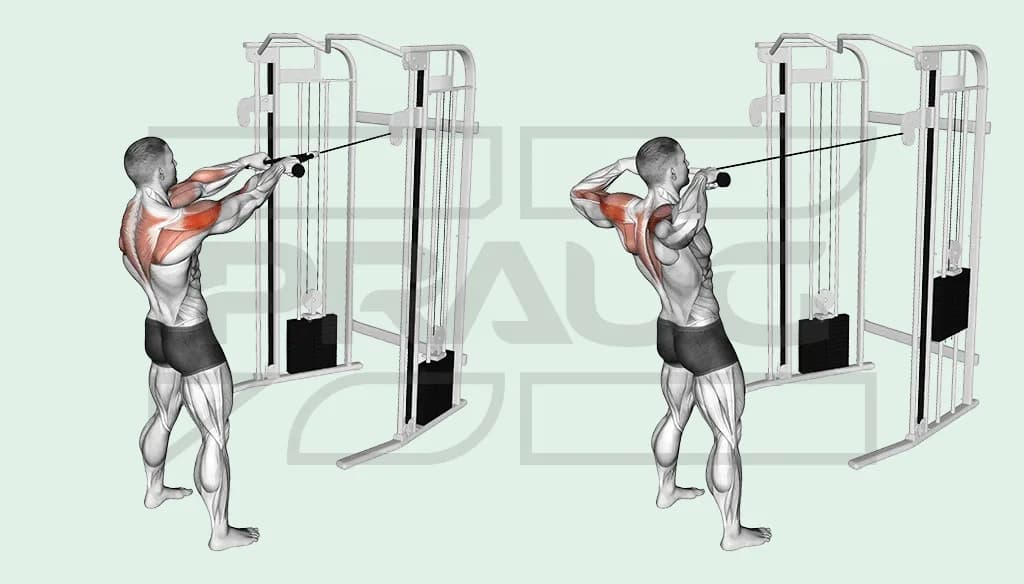
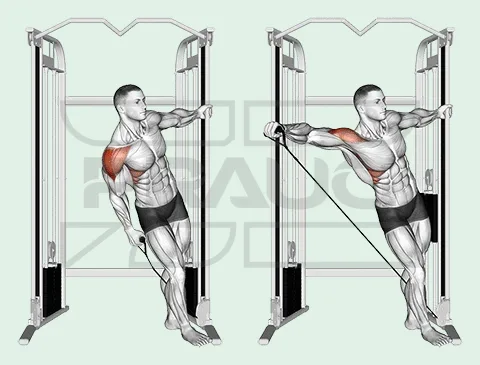
A bent-over dumbbell reverse fly changes trunk support and loading. A cable fly changes resistance direction. Choose a controllable setup rather than treating machine support as a guarantee of better results.
Sets, progression and tracking
One adjustable example is 2–4 sets of 10–20 repetitions. Use enough rest to retain chest support and the intended range. Record machine, seat, handle, load and effort instead of comparing stack labels across different equipment.
Frequently asked questions
Is the furthest starting setting required?
No. Follow the machine’s reverse-use instructions and choose a position you can control without forcing the shoulders.
When should I add demand?
When the chosen setup, range and effort are repeatable and the next increment is manageable. Record changes rather than comparing different tasks as if they were identical.
Sources and limitations
Sources support the passages that cite them. Practical suggestions are coaching choices to adapt to your own situation.
- Schoenfeld et al. · 2013 · Neutral versus pronated reverse-fly machine activity comparison in nineteen trained men. ↗
Higher average activity in selected muscles with neutral grip; not later growth, dumbbell equivalence or individual comfort.
This general information does not replace individual advice. Zepraug’s limitations.