Training· 3 min read
Bent-over dumbbell reverse fly: setup, technique and progression
Other names: Bent-over rear-delt fly
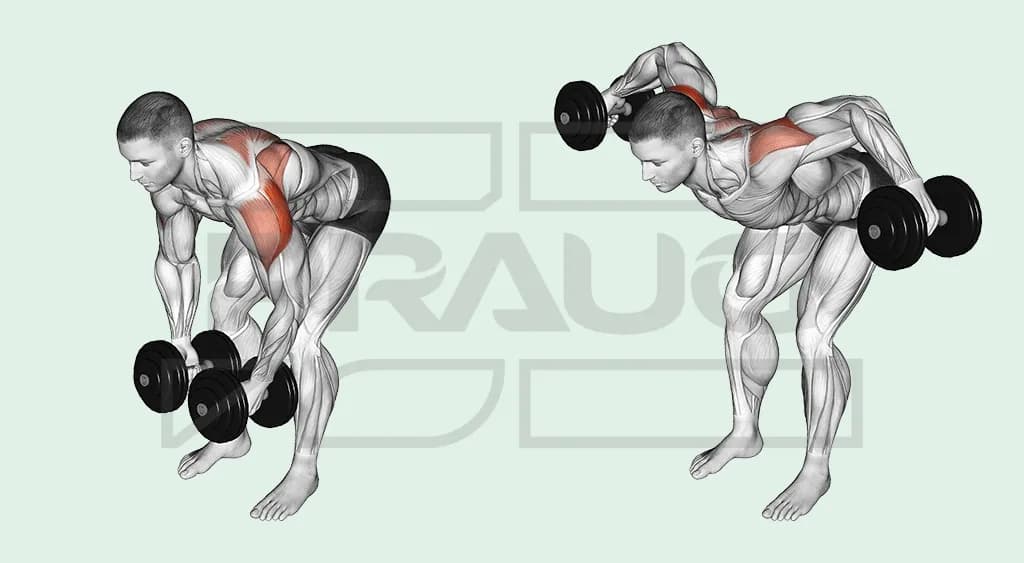
A bent-over dumbbell reverse fly moves the upper arms outwards with the torso hinged forwards. It trains a different shoulder action from an overhead press. Choose a torso position and arm range you can maintain rather than treating a near-horizontal back or maximum reach as compulsory.

Certified fitness coach · CQP Instructeur Fitness
Published on
The essentials before you start.
- Use secure support and practise the pickup and return.
- Keep the intended arm path and range repeatable.
- Research results apply to specific tasks and measured outcomes.
- Choose the workload within the whole week.
Exercise facts
- Main muscles
- Posterior deltoid
- Secondary muscles
- Middle and lower trapezius, Rhomboids, Infraspinatus, Teres minor
- Equipment
- Dumbbells
What the movement trains
The posterior deltoid contributes to horizontal shoulder abduction. The shoulder-blade muscles and rotator cuff assist, while the trunk and hips maintain the hinge. This is not complete isolation of one muscle.
Set up and perform the movement
- Choose manageable weights and stand with secure feet and comfortable knees.
- Hinge at the hips to an angle you can retain without forcing the lower back or neck.
- Let the arms hang with a secure grip and a small elbow bend. Keep the head aligned comfortably with the torso.
- Move the upper arms outwards without throwing the torso upwards or turning the movement into a row.
- Stop at a controllable range rather than forcing the elbows far behind the shoulders. Let the shoulder blades move naturally.
- Lower smoothly, then return to a secure standing position before putting the weights away.
Range, support and control
A slightly higher torso changes the task and can be recorded rather than treated as an automatic error. Do not force a hard shoulder-blade pinch or keep them rigidly pinned. Chest support can be useful when the hinge limits the intended shoulder work.
What the cited research supports
The ten-person study used specified shoulder exercises including prone horizontal abduction with external rotation; it did not directly test this standing bent-over version. The other study compared hand positions on a reverse-fly machine. Both measured acute activity, not later growth or a corrective treatment.
Variations and alternatives
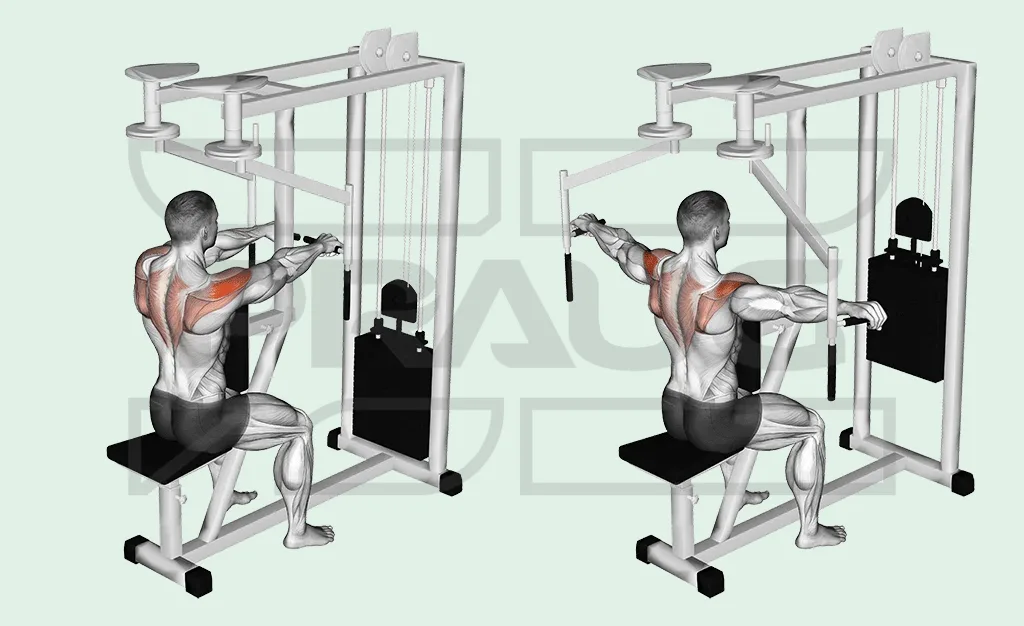
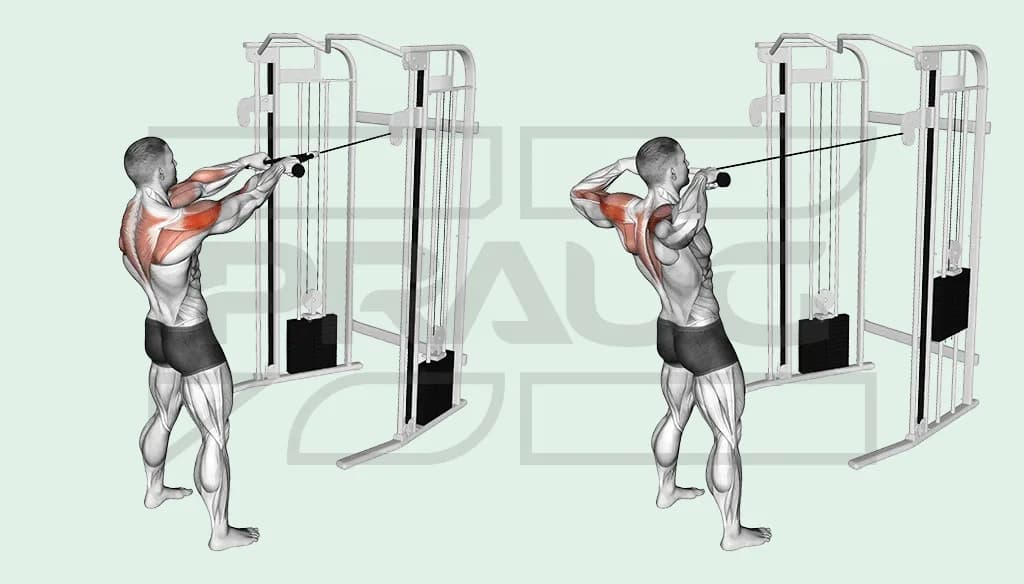
A chest-supported fly changes trunk demand. A reverse pec deck changes support and resistance, while cables change the pull direction. These options need separate loads and setup comparisons.
Sets, progression and tracking
One example is 2–4 sets of 10–20 repetitions with enough rest to retain the hinge and arm path. Log torso angle, support, elbow bend, range and load. Include rows and other rear-shoulder work when choosing the weekly amount.
Frequently asked questions
Does the machine grip study apply directly to dumbbells?
It measured a different implement and support arrangement. It does not establish a universal grip or growth advantage for this exercise.
When should I add demand?
When the chosen setup, range and effort are repeatable and the next increment is manageable. Record changes rather than comparing different tasks as if they were identical.
Sources and limitations
Sources support the passages that cite them. Practical suggestions are coaching choices to adapt to your own situation.
- Reinold et al. · 2004 · Intramuscular activity during seven shoulder exercises in ten healthy adults. ↗
Included prone horizontal abduction with external rotation, not the standing bent-over fly; not a growth trial or treatment validation.
- Schoenfeld et al. · 2013 · Neutral versus pronated reverse-fly machine activity comparison in nineteen trained men. ↗
Higher average activity in selected muscles with neutral grip; not later growth, dumbbell equivalence or individual comfort.
This general information does not replace individual advice. Zepraug’s limitations.