Training· 4 min read
Seated row machine: setup, technique and progression
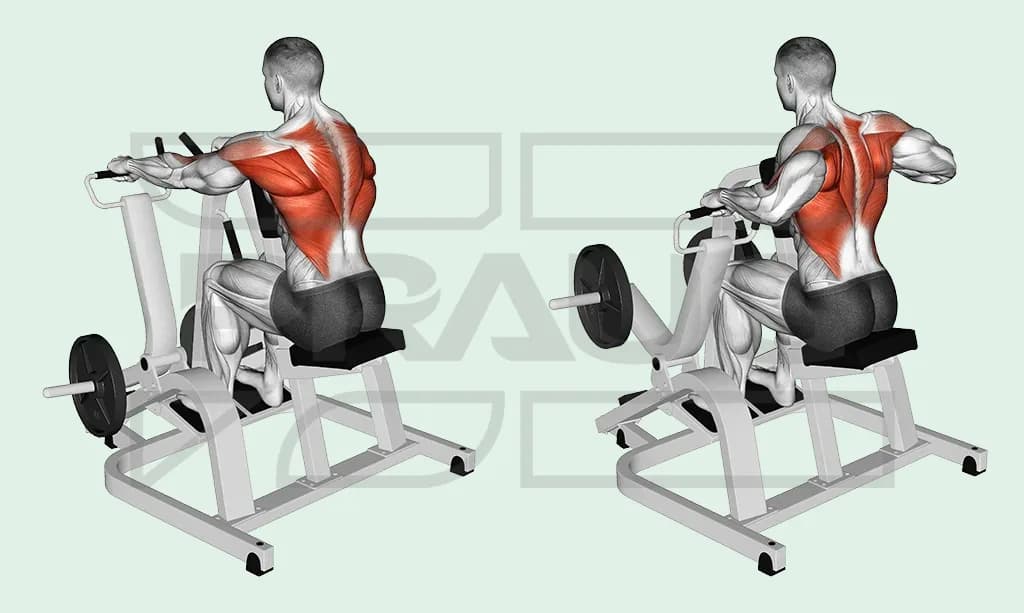
A seated row machine guides the handles towards the torso, often with a pad supporting the chest. Its settings and handle path affect how you pull. Chest support changes the trunk task but does not eliminate every spinal demand, make momentum impossible or guarantee comfort.

Certified fitness coach · CQP Instructeur Fitness
Published on
The essentials before you start.
- Use a secure setup and a load or assistance you can control.
- Keep the intended support, range and effort comparable between sessions.
- Variations change the task; acute activity does not rank long-term growth.
- Adapt the example workload to other training and recovery.
Exercise facts
- Main muscles
- Latissimus dorsi, Rhomboids, Middle and lower trapezius
- Secondary muscles
- Teres major, Rear deltoids, Biceps, Brachialis
- Equipment
- Row machine
What the movement trains
The lats, muscles around the shoulder blades, rear deltoids and elbow flexors contribute. The support and machine geometry influence how the torso and arms can move. A high handle path is not an exercise for isolating the lower back, and a lower path does not exclusively train the lower lats.
Set up and perform the movement
- Inspect the handles, loading system and adjustment locks. Follow the instructions for that model and learn its stop and exit method.
- Adjust the seat and chest pad so you can reach the handles and pull without an uncomfortable shoulder position or excessive pressure on the chest.
- Set stable feet and a controlled trunk position. Use a secure hand position and a manageable load.
- Pull the elbows backwards as the handles approach the torso. Allow coordinated shoulder-blade movement rather than clamping the shoulders permanently down.
- Finish before you have to lift the chest away, throw the head forwards or force extra shoulder range.
- Return smoothly to the same starting reach without letting the load jerk you forwards. Secure the resistance before leaving.
What the cited research does and does not show
The cited free-weight/machine training trial measured biceps and quadriceps thickness, not back growth or these two row variations head to head. The small spine comparison did not test a row machine. Those studies cannot prove equivalent back growth or that the support makes an individual painful back safe to load.
Variations and alternatives
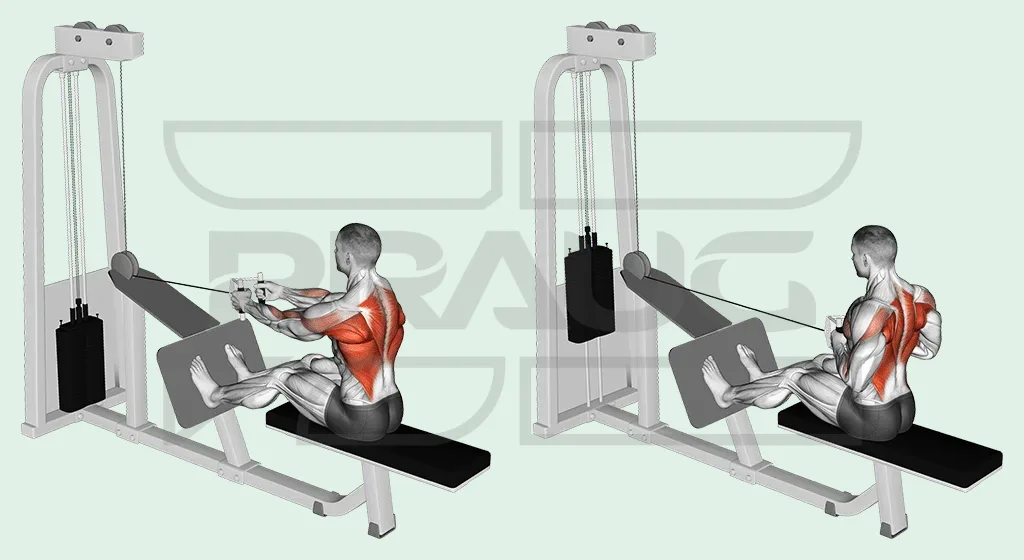
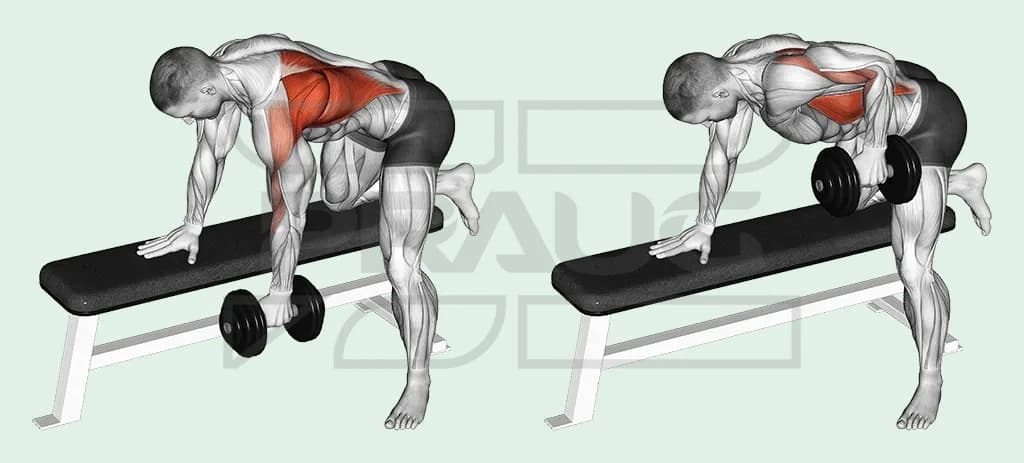
Plate-loaded converging machines and selectorised machines have different paths and resistance profiles. Neutral, overhand and independent handles change the task. A one-arm version needs a suitable seat and trunk position; it does not automatically fix a side difference. A seated cable row or one-arm dumbbell row uses a different support arrangement.
Sets, progression and tracking
One coaching example is 3–4 sets of 8–15 repetitions with around 90 seconds to 2 minutes of rest. Adjust it to the rest of the week. Record the machine, seat, pad, handle and range. Plate totals and stack markings do not make different machines directly comparable.
When to reduce the demand or change the setup
A change in range, support, body angle or assistance changes the comparison. Reduce the demand or finish the set when you cannot retain the movement you intended. An equipment label or a beginner/advanced category does not establish individual suitability.
Stop for sharp pain and seek appropriate individual advice for persistent symptoms. A new handle, support or variation does not diagnose or treat the cause.
Browse the back collection for other pulling and trunk tasks, or the back programme to choose work within a whole week rather than adding every guide together.
Illustrated positions and options
These show example positions and equipment. An illustration is not a required range, individual loading instruction or validation of a particular support.
Illustrated option 1
 Movement example
Frequently asked questions
Does chest support remove all lower-back work?
No. Support changes the holding task but does not eliminate every demand or guarantee comfort.
Can I compare plate totals across row machines?
The handle path, lever arms and resistance system differ. Record the actual machine and settings.
When should I progress?
When the chosen movement and effort are repeatable. Change one demand deliberately and log any setup change.
Can this treat back or shoulder pain?
The guide and its cited activity studies do not establish an individual treatment. Persistent symptoms need suitable assessment.
Sources and limitations
Sources support the passages that cite them. Practical suggestions are coaching choices to adapt to your own situation.
- Fenwick and al. · 2009 · Small biomechanical comparison of three rowing tasks. ↗
Seven men; standing one-arm cable, bent-over and inverted rows, not every seated or supported variation.
- Schwanbeck and al. · 2020 · Eight-week free-weight versus machine training comparison. ↗
Biceps and quadriceps thickness, not a direct machine-row versus barbell-row back-growth test.
- Di Fonza and al. · 2026 · Narrative review of pulling-exercise electrical activity. ↗
Acute findings with varied setups; not a growth ranking or validation of every cable variation.
This general information does not replace individual advice. Zepraug’s limitations.