Training· 3 min read
Hollow body hold: setup, technique and progression
Other names: Hollow hold
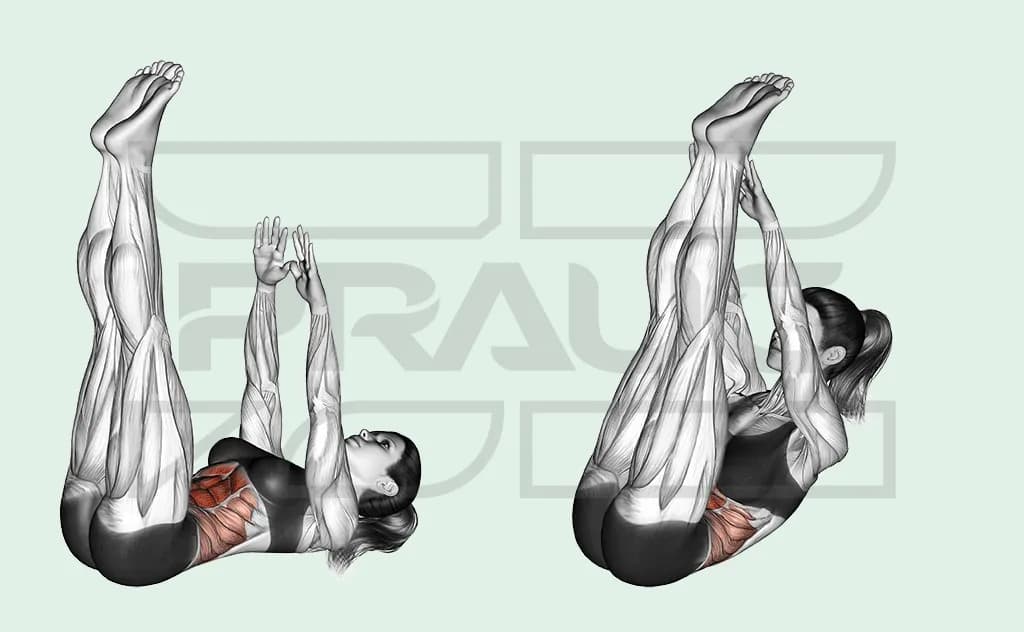
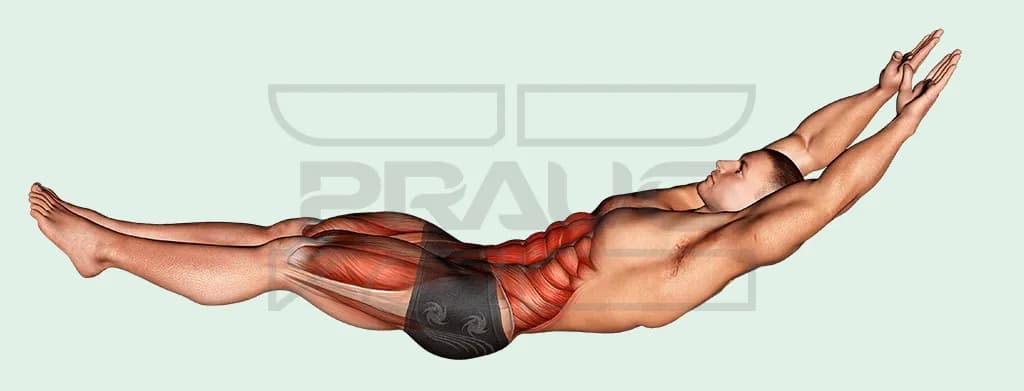
A hollow body hold maintains a controlled lying position with some of the arms, shoulders or legs lifted. A tucked version can shorten the lever. Keep breathing rather than pursuing a fixed banana shape or a maximum hold time.

Certified fitness coach · CQP Instructeur Fitness
Published on
The essentials before you start.
- Choose secure support and a manageable starting demand.
- Describe the intended trunk, hip and pelvic movement.
- Record lever, range and counting method consistently.
- Research measurements do not establish every variation or a local-fat-loss promise.
Exercise facts
- Main muscles
- Rectus abdominis, Transversus abdominis, Internal and external obliques
- Secondary muscles
- Hip flexors, Quadriceps, Gluteals, Deltoids
- Equipment
- Bodyweight, Exercise mat
What the movement trains
The abdominal wall helps resist unwanted trunk extension while the hip and shoulder muscles support the lifted limbs. The chosen limb positions determine the task; a full straight-arm, straight-leg version is optional.
Set up and perform the movement
- Lie on a comfortable mat and begin with the knees bent above the hips and arms near the sides.
- Set a gentle pelvic position and maintain comfortable low-back contact without forcing pressure.
- Lift the shoulders slightly if that position is manageable for the neck.
- Extend one lever only as far as breathing and the intended trunk position remain controlled.
- Hold briefly without straining or pressing the head forwards.
- Bend the knees and return the limbs to support before control changes.
Range, support and control
Arms overhead and straighter or lower legs change the lever. Rocking, fluttering and added weight are separate optional tasks. A thirty-second full hold is not a validated gateway to another exercise.
What the cited research supports
The cited studies used plank variations and isometric leg-raise positions, not every full hollow-body position described here. They measured acute activity. They do not establish a universal progression, later growth or injury prevention from this hold.
Variations and alternatives
A dead bug adds alternating limb movement. A hollow body crunch adds trunk movement. Choose the lever and action deliberately.
Sets, progression and tracking
One example is 2–4 holds of 10–30 seconds, shortened as needed. Rest enough to repeat the position and breathing. Record the arm and leg lever, duration and effort rather than comparing different shapes by time alone.
Movement video
The demonstration shows one setup, rather than an individual range or loading prescription.
Hollow body hold movement demonstration
Frequently asked questions
Must both arms and legs be straight?
No. Bent knees and arms near the sides are usable variations. Choose a position you can retain while breathing.
When should I add demand?
When the intended support, range and effort remain repeatable and the next change is manageable. Record changes rather than comparing different levers as if they were identical.
Sources and limitations
Sources support the passages that cite them. Practical suggestions are coaching choices to adapt to your own situation.
- Park et al. · 2019 · Activity during plank and isometric bilateral leg-raise variations in eighteen active women. ↗
Acute positions rather than a full straight-arm hollow-body training programme; no later adaptation measured.
- Schoenfeld et al. · 2014 · Four thirty-second plank variations in nineteen participants. ↗
Longer levers and posterior tilt were studied in prone planks, not all hollow-body positions or later growth.
This general information does not replace individual advice. Zepraug’s limitations.