Training· 3 min read
Hollow body crunch: setup, technique and progression
Other names: Hollow crunch
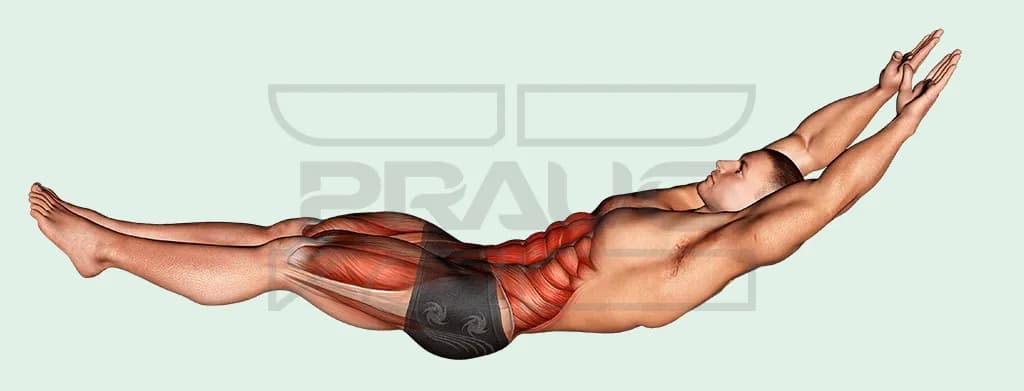
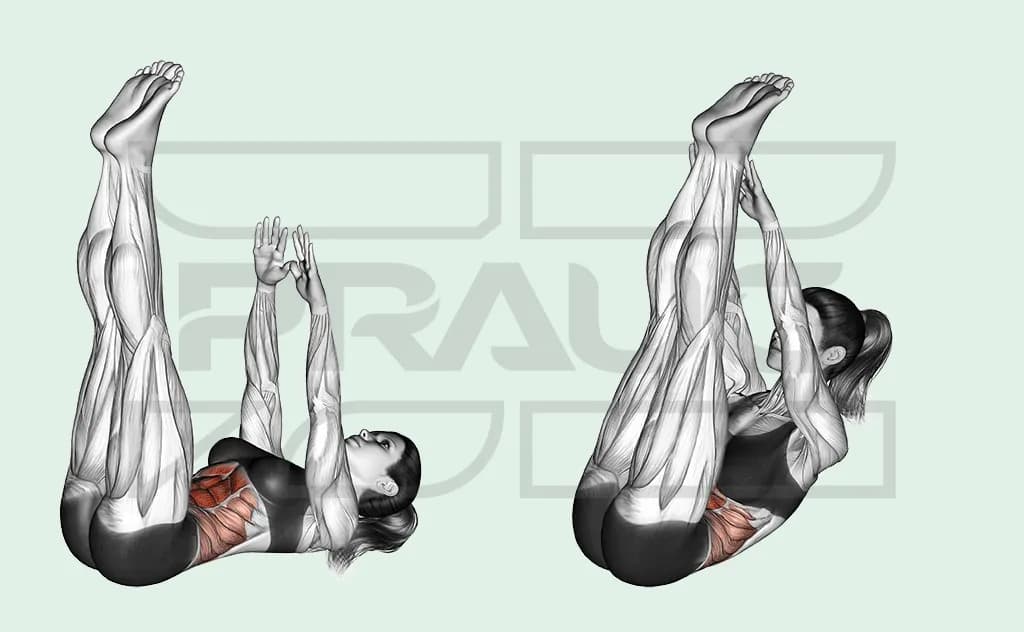
A hollow body crunch curls the upper torso while the legs are raised and the pelvis stays controlled. It combines a trunk curl with a held leg position. Touching the feet is not required.

Certified fitness coach · CQP Instructeur Fitness
Published on
The essentials before you start.
- Choose secure support and a manageable starting demand.
- Describe the intended trunk, hip and pelvic movement.
- Record lever, range and counting method consistently.
- Research measurements do not establish every variation or a local-fat-loss promise.
Exercise facts
- Main muscles
- Rectus abdominis
- Secondary muscles
- Internal and external obliques, Transversus abdominis, Hip flexors
- Equipment
- Bodyweight, Exercise mat, Securely held plate, optional
What the movement trains
The abdominal wall curls and supports the trunk while the hip flexors help hold the legs. A deliberate pelvic position changes the task without selectively isolating lower abdominal fibres.
Set up and perform the movement
- Lie on a mat with the knees bent above the hips or the legs raised to a manageable position.
- Reach the arms upwards and set a gentle pelvic position without forcing the low back hard into the mat.
- Keep breathing while curling the upper torso and reaching towards the knees or feet.
- Stop the curl at a range you can retain without throwing the arms or straining the neck.
- Lower the torso smoothly while retaining the chosen leg position.
- Bend the knees and place the feet down before the intended support changes.
Range, support and control
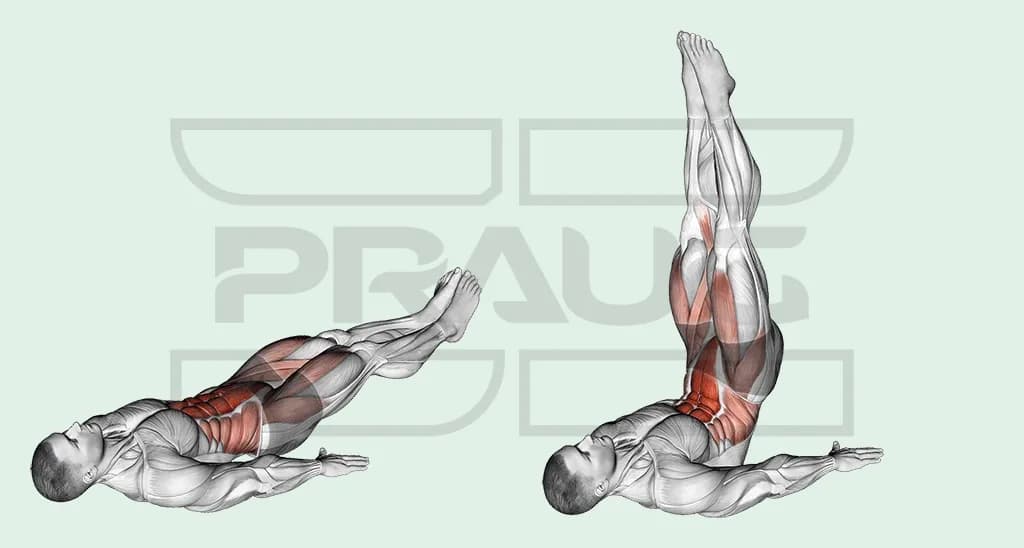
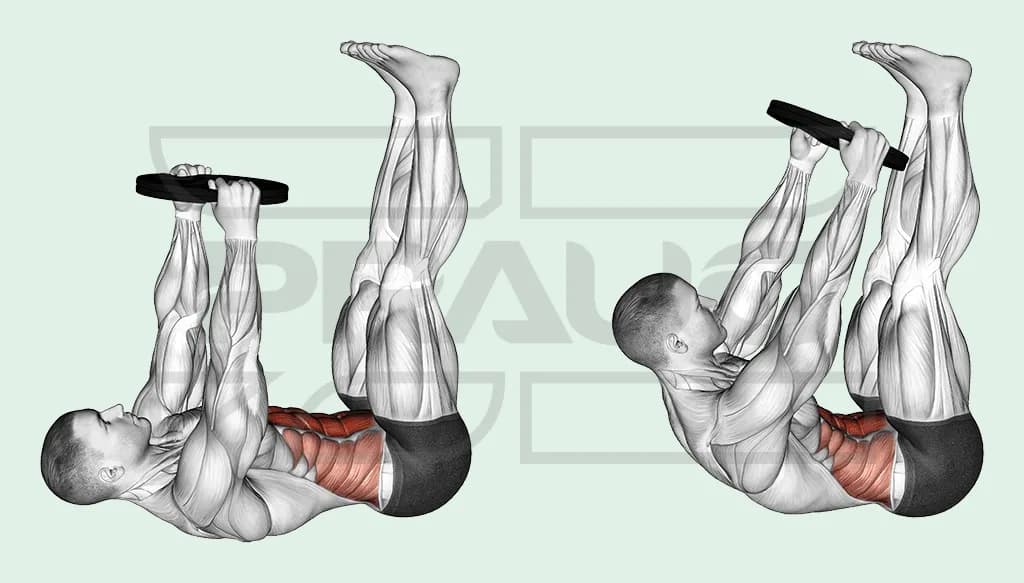
Straighter or lower legs and arms reaching overhead increase or alter the lever. They are optional changes, not a compulsory sequence. If using the illustrated plate option, choose a secure grip and manageable load clear of the face.
What the cited research supports
The regional-activity study used controlled isometric tasks, not this full dynamic combination. It did not establish selective regional growth. The short fat-loss trial did not test this precise version or support a local-fat-loss promise.
Variations and alternatives
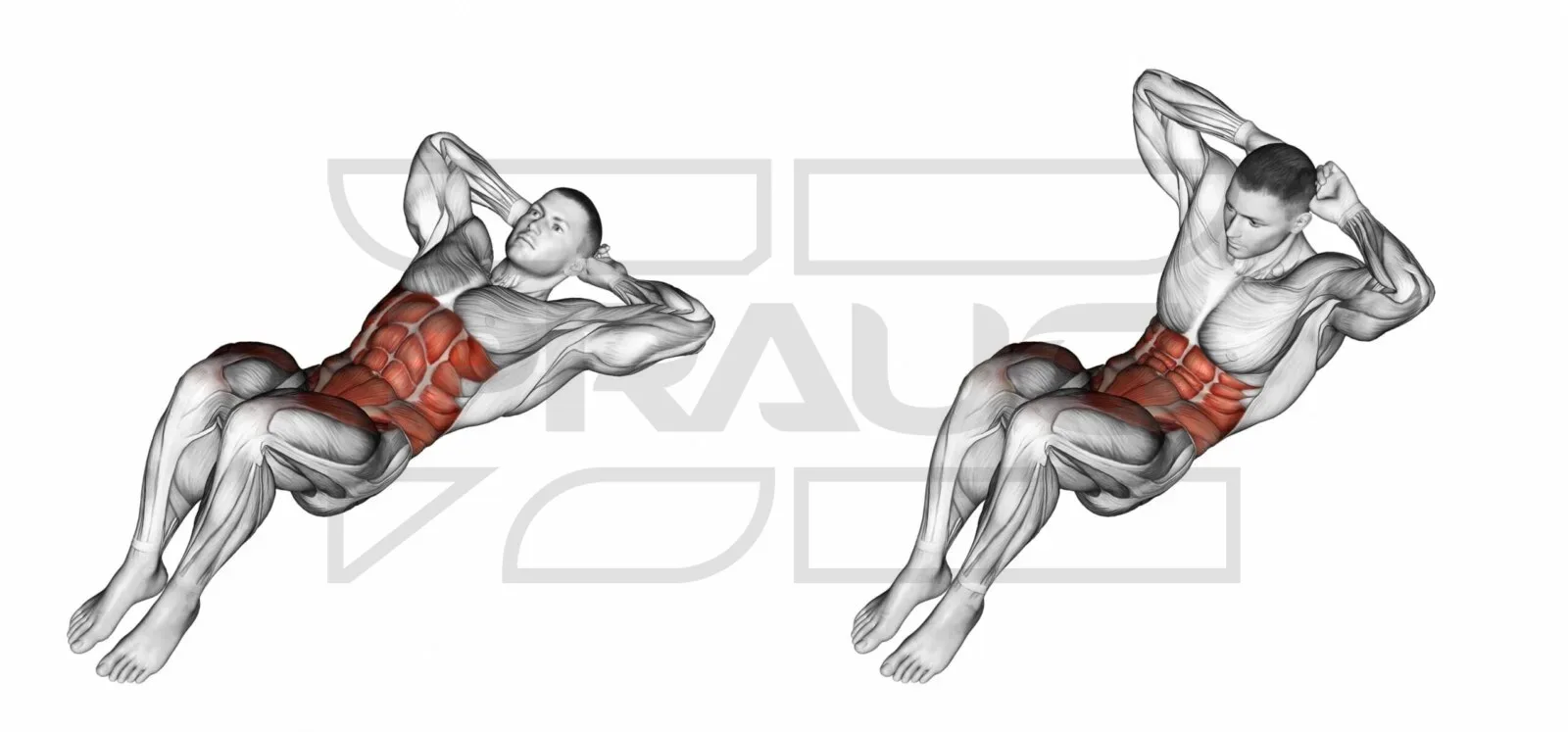
A floor crunch supports the feet. A hollow hold holds position rather than repeatedly curling the torso.
Sets, progression and tracking
An example is 2–3 sets of 6–15 controlled repetitions. Record knee bend, leg height, arm position and range. Reduce the lever or end the set when the torso can no longer return smoothly.
Illustrated positions and options
The images show example positions rather than an individual range, loading or breathing prescription. Use suitable equipment and a controlled return.
Illustrated option 1
Frequently asked questions
Do I have to touch my toes?
No. Reaching is a cue for a controlled trunk curl, not a flexibility or range test everyone must pass.
When should I add demand?
When the intended support, range and effort remain repeatable and the next change is manageable. Record changes rather than comparing different levers as if they were identical.
Sources and limitations
Sources support the passages that cite them. Practical suggestions are coaching choices to adapt to your own situation.
- Lehman and McGill · 2001 · Regional rectus-abdominis activity during controlled isometric tasks in eleven selected participants. ↗
No clear upper-versus-lower activity difference in those tasks; no dynamic-variation ranking or regional-growth measurement.
- Vispute et al. · 2011 · Six-week abdominal-exercise trial in twenty-four sedentary adults. ↗
Curl-up endurance improved without significant changes in the measured abdominal-fat outcomes; not every exercise or combined lifestyle intervention.
This general information does not replace individual advice. Zepraug’s limitations.