Training· 3 min read
Seated hip abduction machine: setup, technique and progression
Other names: Hip abduction machine
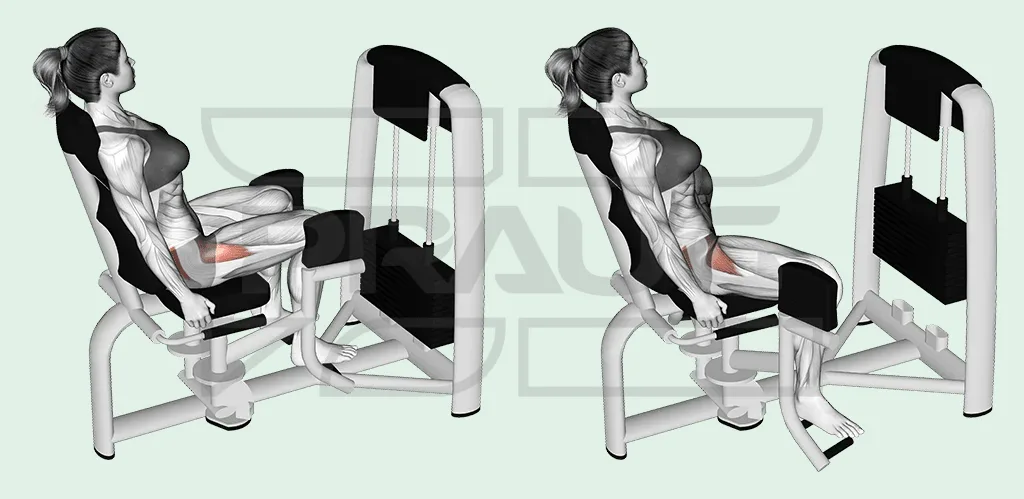
A seated hip abduction machine moves the thighs outwards against pads. Adjust the starting width and support before adding load. Torso lean changes the setup, but does not establish an ideal angle or a guaranteed change in hip shape.

Certified fitness coach · CQP Instructeur Fitness
Published on
The essentials before you start.
- Practise the setup, support and return before adding demand.
- Keep the intended range and movement repeatable.
- The cited outcomes apply to particular tasks and populations.
- Choose the workload within the whole week.
Exercise facts
- Main muscles
- Gluteus medius
- Secondary muscles
- Gluteus minimus, Upper gluteus maximus, Tensor fasciae latae
- Equipment
- Seated hip abduction machine
What the movement trains
The gluteus medius and minimus, parts of gluteus maximus and tensor fasciae latae can contribute to hip abduction. Their contributions depend on the task; the machine does not isolate one region completely.
Set up and perform the movement
- Check the machine instructions, seat, starting-width adjustment and load pin.
- Set the pads against the outer thighs in the intended position, with the feet on the designated supports.
- Choose a comfortable starting width and supported torso position rather than forcing the legs together.
- Move the thighs outwards smoothly without rocking off the seat or twisting the feet against the pads.
- Return through a controlled range without letting the pads snap closed.
- Settle the load before changing the starting-width setting or leaving the seat.
Range, support and control
A forward lean is optional and needs a repeatable support position. The cited isometric hip-angle experiment does not validate a fifteen-to-thirty-degree machine lean. A maximal opening range and constant movement of the stack are not required.
What the cited research supports
The ten-week MRI comparison used cable abduction and cable extension, not this seated machine. The hip-angle study measured acute isometric activity, and the squat-versus-hip-thrust trial did not test abduction. They do not establish a universal machine posture, mandatory combination or guaranteed hip-width change.
Variations and alternatives
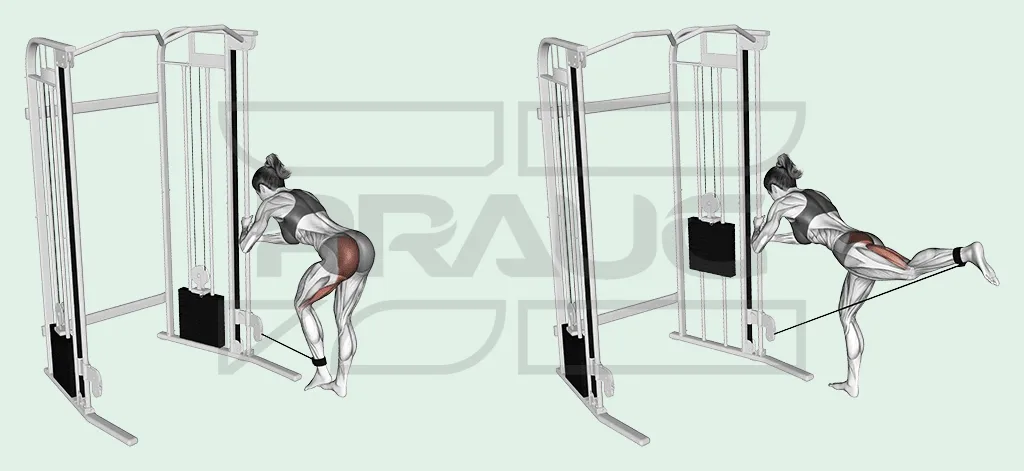
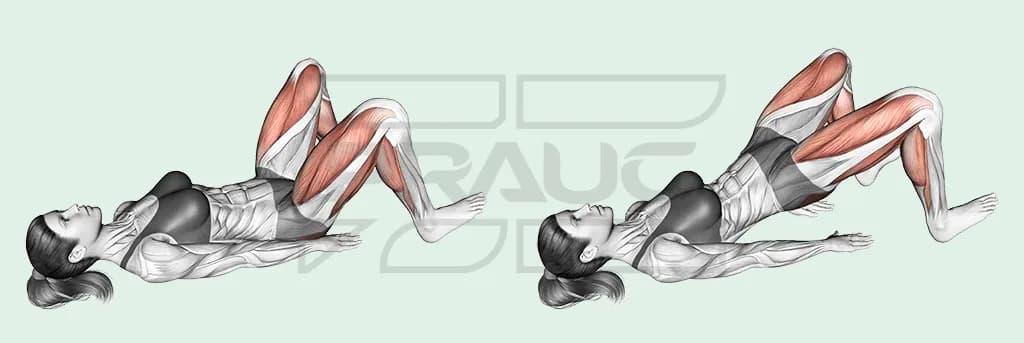
A band abduction, side-lying abduction or clamshell uses a different resistance profile. A cable kickback extends the hip rather than abducting it.
Sets, progression and tracking
One adjustable option is 2–4 sets of 12–20 repetitions with enough rest to retain support. It need not always be a finisher. Record machine, pad position, torso support, range, load and effort within the whole week.
Frequently asked questions
Does leaning forwards prove more upper-glute growth?
The cited hip-angle comparison measured held contractions rather than a machine-training programme. It does not establish that growth advantage for a particular torso lean.
When should I add demand?
When the setup, range and effort are repeatable and the next change is manageable. Log changed support or assistance rather than comparing different tasks as if they were identical.
Sources and limitations
Sources support the passages that cite them. Practical suggestions are coaching choices to adapt to your own situation.
- Attarieh et al. · 2026 · Ten-week unilateral cable hip-extension versus abduction trial in seventeen adults, with MRI size measurements. ↗
Task-specific and regional differences; not a seated-machine lean comparison, bent-knee ranking or proof of a superior combined routine.
- Plotkin et al. · 2023 · Nine-week set-matched hip-thrust versus squat trial in thirty-four untrained participants. ↗
Similar measured gluteal growth did not follow the initial activity ranking; no hip-abduction machine or added-abduction comparison.
- Fujisawa et al. · 2014 · Hip-angle activity comparison during isometric abduction in twenty-seven men. ↗
Held tasks at specified hip angles, not seated-machine torso-lean training or later growth.
This general information does not replace individual advice. Zepraug’s limitations.