Training· 3 min read
Behind-the-neck press: setup, technique and progression
Other names: Behind-neck overhead press
A behind-the-neck press raises a bar from behind the head towards an overhead position. It needs a shoulder position and handling method that differ from a front press. It is optional, not a required mobility test or a necessary stage in shoulder training.

Certified fitness coach · CQP Instructeur Fitness
Published on
The essentials before you start.
- Use secure support and practise the pickup and return.
- Keep the intended arm path and range repeatable.
- Research results apply to specific tasks and measured outcomes.
- Choose the workload within the whole week.
Exercise facts
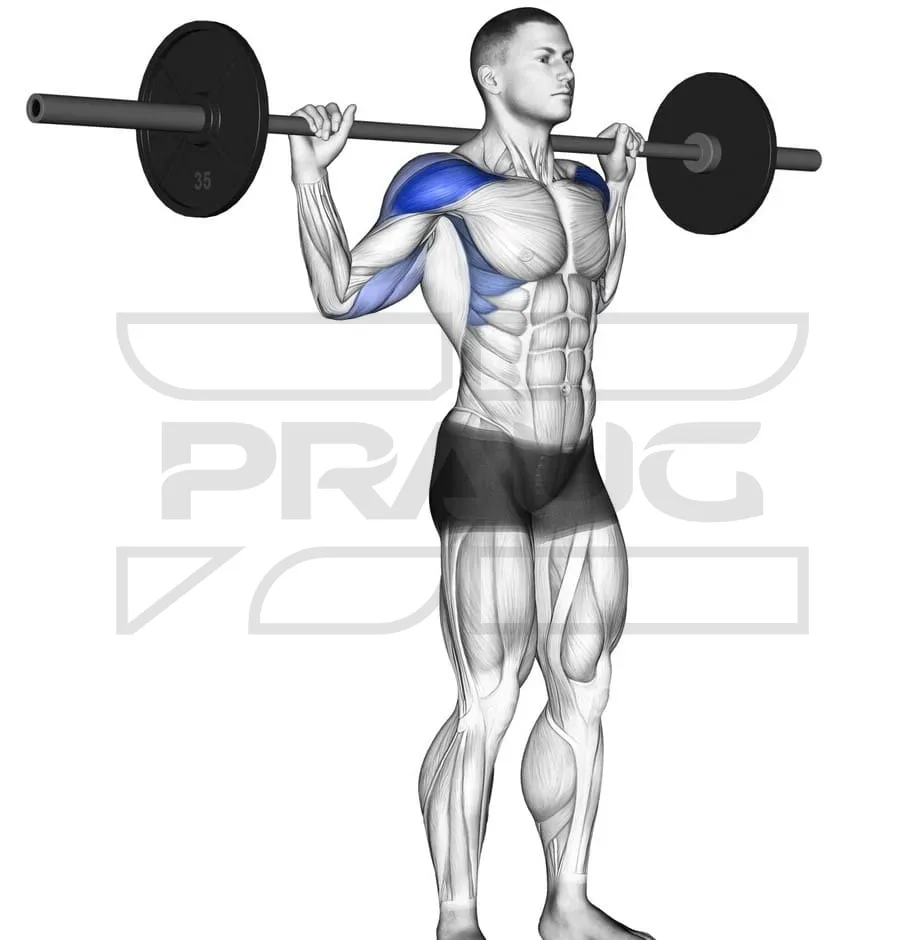
- Main muscles
- Anterior deltoid, Lateral deltoid, Triceps
- Secondary muscles
- Posterior deltoid, Upper trapezius, Serratus anterior
- Equipment
- Barbell, Suitable exercise bench, Suitable rack and safety arrangement
What the movement trains
The deltoids and triceps contribute to pressing while the shoulder blades and trunk help support the path. Hand spacing, upper-arm position and chosen depth change the task. This does not establish an isolated rear-deltoid exercise.
Set up and perform the movement
- Use a suitable rack and safety arrangement, with a practised access and return method or appropriate assistance. Do not improvise a heavy transfer over the head.
- Begin with a very manageable load and a stable supported seat or stance. Check overhead clearance.
- Choose a full grip and a behind-head position that you can retain without forcing the neck forwards or arching the back.
- Press smoothly overhead through the intended range, allowing the shoulder blades to move.
- Lower only to the depth you can control. There is no universal ear-height or neck-touch target.
- Return the bar securely using the planned method; do not drop it onto the neck or rest it there between repetitions.
Range, support and control
If the starting position or return cannot be controlled, choose a front press or another suitable task. The label advanced is not proof of readiness. An individual shoulder limitation cannot be diagnosed or treated by forcing the bar lower.
What the cited research supports
The 2026 comparison used fourteen trained men and a brief, non-fatiguing set at an eight-repetition-maximum load. Regional electrical activity differed between front and behind-neck conditions. It did not measure later growth, individual comfort or injury rates, and establishes neither universal safety nor inevitable harm.
Variations and alternatives
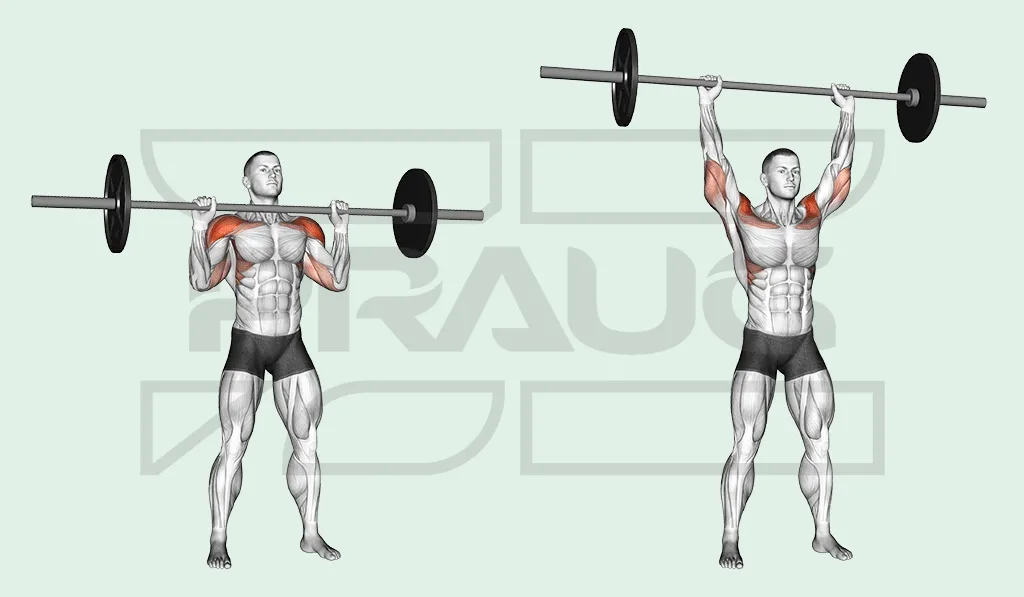
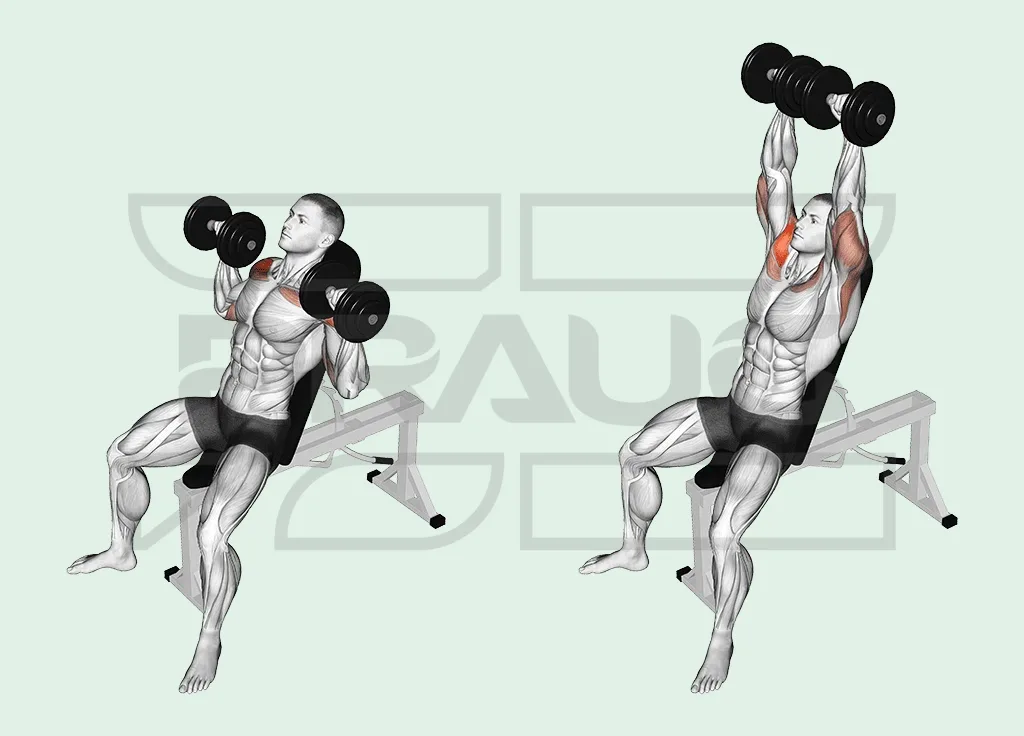
A front overhead press changes the bar path, and dumbbells allow independent hand paths. Choosing one does not require passing a behind-neck range test first.
Sets, progression and tracking
When this variation is appropriate and familiar, a possible example is a few controlled sets of 6–12 repetitions with sufficient reserve for a secure return. Learning the setup can require lighter and fewer sets. Log grip, support, range and effort rather than chasing a prescribed depth.
Frequently asked questions
Does the activity study prove this press is safe for everyone?
No. It measured a short exercise bout, without long-term injury or individual tolerance outcomes. Use a different task if the position or handling is unsuitable.
When should I add demand?
When the chosen setup, range and effort are repeatable and the next increment is manageable. Record changes rather than comparing different tasks as if they were identical.
Sources and limitations
Sources support the passages that cite them. Practical suggestions are coaching choices to adapt to your own situation.
- Padovan et al. · 2026 · Acute regional activity comparison of front and behind-the-neck overhead presses. ↗
Fourteen trained men and a brief non-fatiguing task; not later growth, comfort or injury rates.
This general information does not replace individual advice. Zepraug’s limitations.