Training· 3 min read
Captain’s chair leg raise: setup, technique and progression
Other names: Supported knee raise
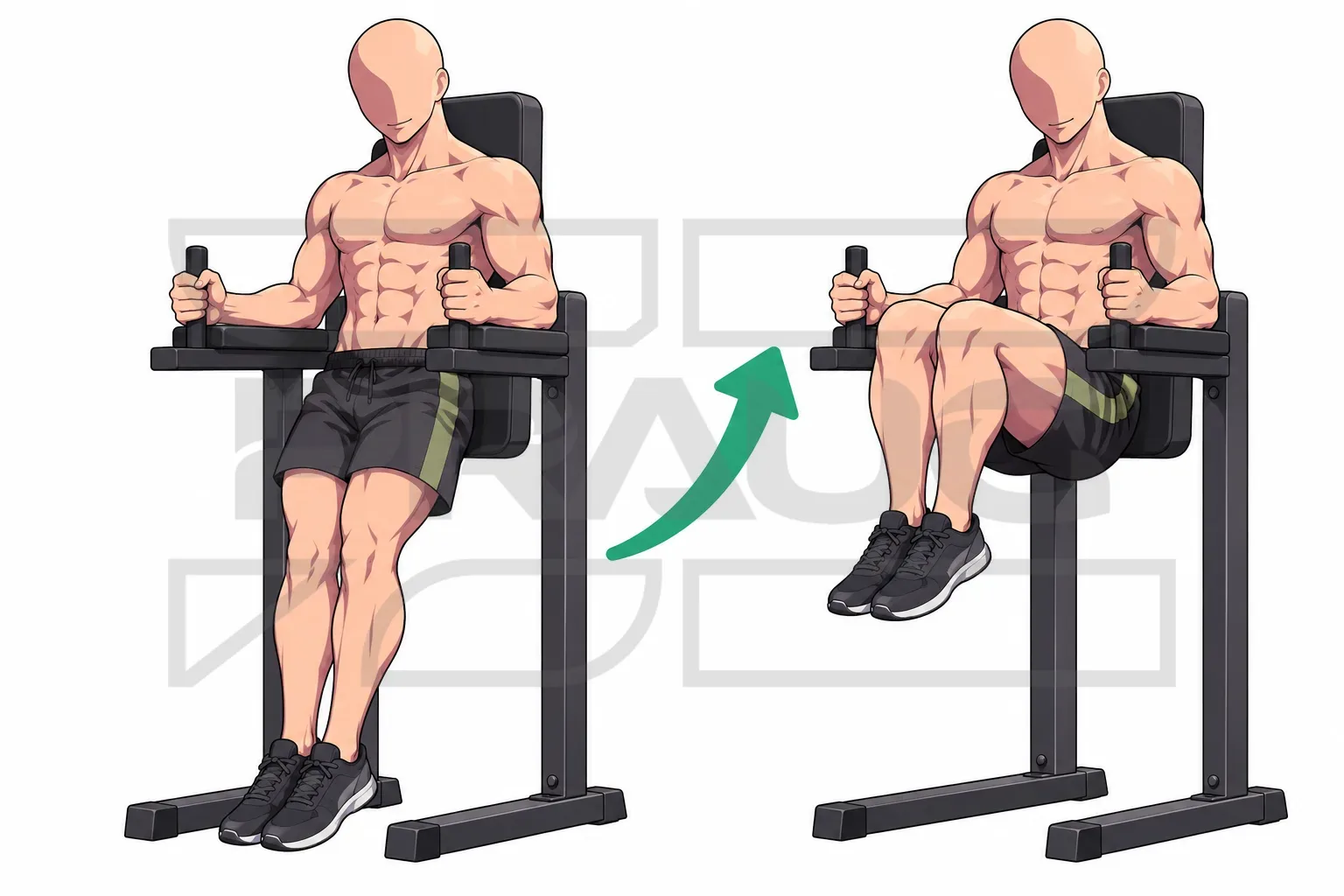
A captain’s chair leg raise uses forearm supports and handles while the legs lift and the pelvis can curl towards the ribs. This station differs from a back-extension bench, which is also sometimes called a Roman chair. Support does not remove all swing or grip demand.

Certified fitness coach · CQP Instructeur Fitness
Published on
The essentials before you start.
- Choose secure support and a manageable starting demand.
- Describe the intended trunk, hip and pelvic movement.
- Record lever, range and counting method consistently.
- Research measurements do not establish every variation or a local-fat-loss promise.
Exercise facts
- Main muscles
- Rectus abdominis, Iliopsoas
- Secondary muscles
- Rectus femoris, Obliques, Scapular depressors
- Equipment
- Forearm-supported leg-raise station
What the movement trains
The hip flexors lift the thighs while the abdominal wall controls and can move the pelvis. The shoulder girdle and hands still support the setup. A knee raise and a straight-leg raise use different levers.
Set up and perform the movement
- Use a station intended for supported leg raises, checking pads, handles and access steps.
- Mount from secure foot support, with forearms supported and hands gripping the handles.
- Establish a manageable shoulder and torso position before taking the feet off the steps.
- Lift bent knees through a controlled hip range. If intended and manageable, finish with a small pelvic curl rather than swinging the thighs higher.
- Lower smoothly until the legs settle without pulling the shoulders out of support.
- Return the feet to secure steps before releasing the handles and dismounting.
Range, support and control
There is no required knee-to-chest height or compulsory transition to a bar. A back pad may change contact as the pelvis curls; do not force a rigid contact rule that prevents the intended movement. Added ankle loads and rotation need separate handling.
What the cited research supports
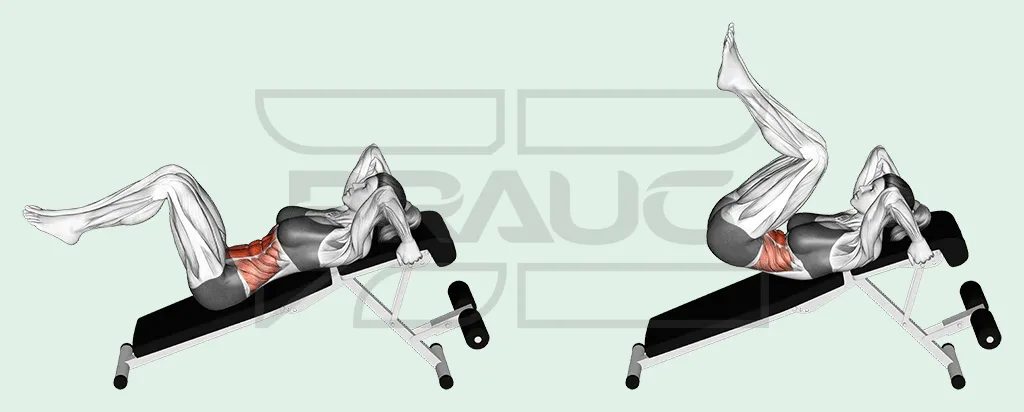
The activity comparison tested hanging knee-ups with straps, not every forearm-supported station. The regional study used controlled isometric tasks. These do not establish identical station outcomes, isolated lower-abdominal growth or an obligatory floor-to-chair-to-bar sequence.
Variations and alternatives
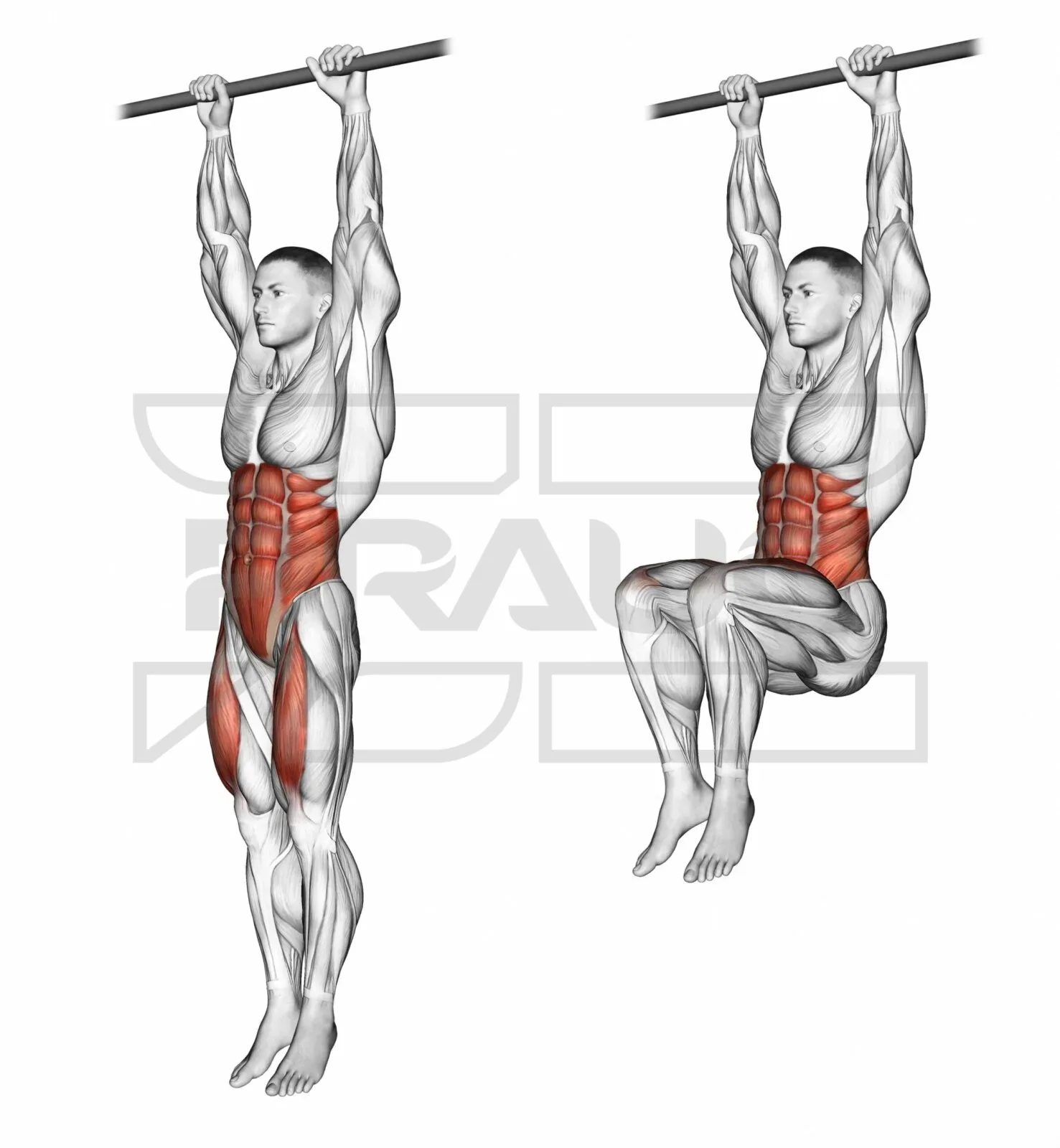
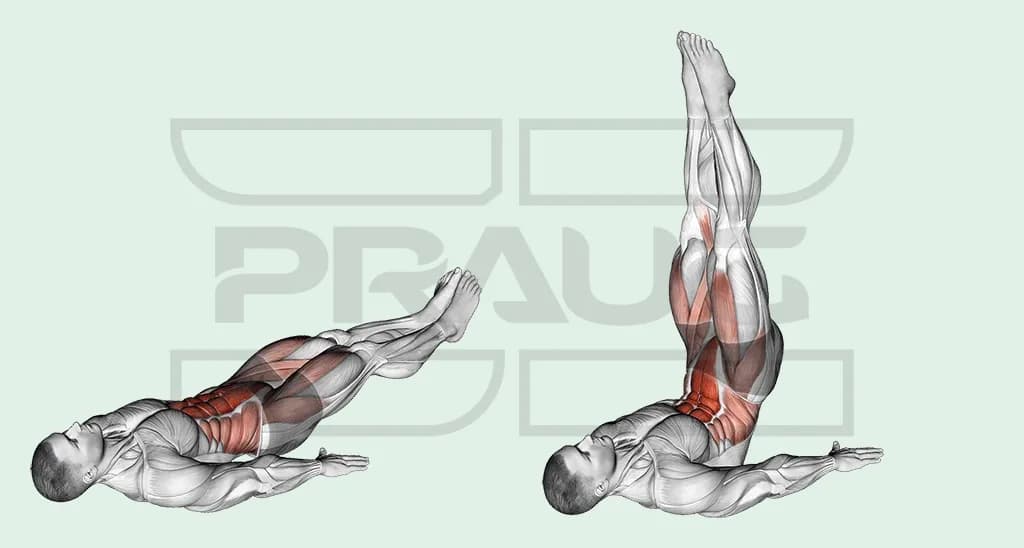
A floor leg raise or hanging leg raise changes support and access.
Sets, progression and tracking
One example is 2–3 sets of 6–12 controlled repetitions, initially with bent knees if useful. Record station, knee bend, pelvic movement, range and effort. End while a secure dismount remains possible.
Frequently asked questions
Is this the same Roman chair used for back extensions?
No. This guide describes a forearm-supported leg-raise station. A forty-five-degree back-extension bench has a different purpose and support arrangement.
When should I add demand?
When the intended support, range and effort remain repeatable and the next change is manageable. Record changes rather than comparing different levers as if they were identical.
Sources and limitations
Sources support the passages that cite them. Practical suggestions are coaching choices to adapt to your own situation.
- Escamilla et al. · 2006 · Acute activity comparison of traditional and device-based abdominal tasks in twenty-one adults. ↗
Specific Power Wheel, strapped knee-up, inclined reverse-crunch and floor tasks; not every commercial device, later growth or injury outcomes.
- Lehman and McGill · 2001 · Regional rectus-abdominis activity during controlled isometric tasks in eleven selected participants. ↗
No clear upper-versus-lower activity difference in those tasks; no dynamic-variation ranking or regional-growth measurement.
This general information does not replace individual advice. Zepraug’s limitations.