Training· 4 min read
Cable chest fly: setup, technique and progression
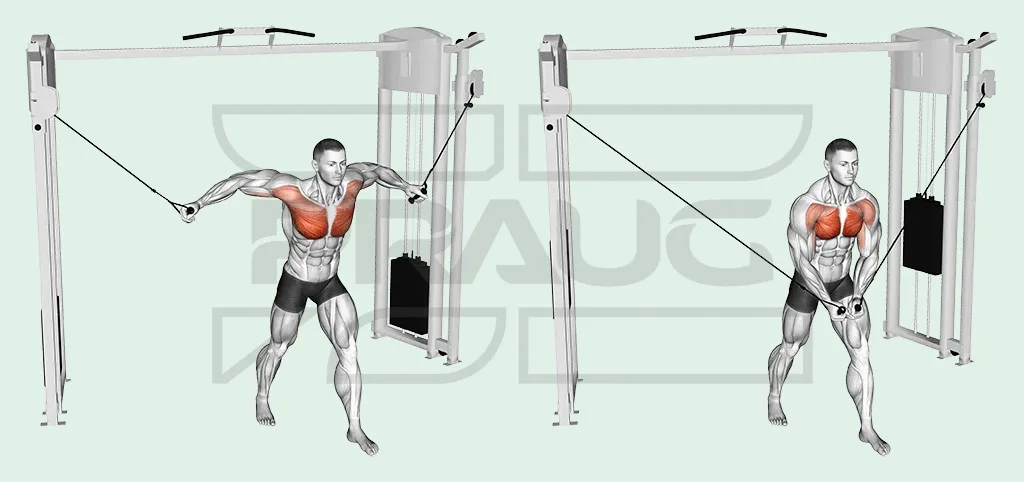
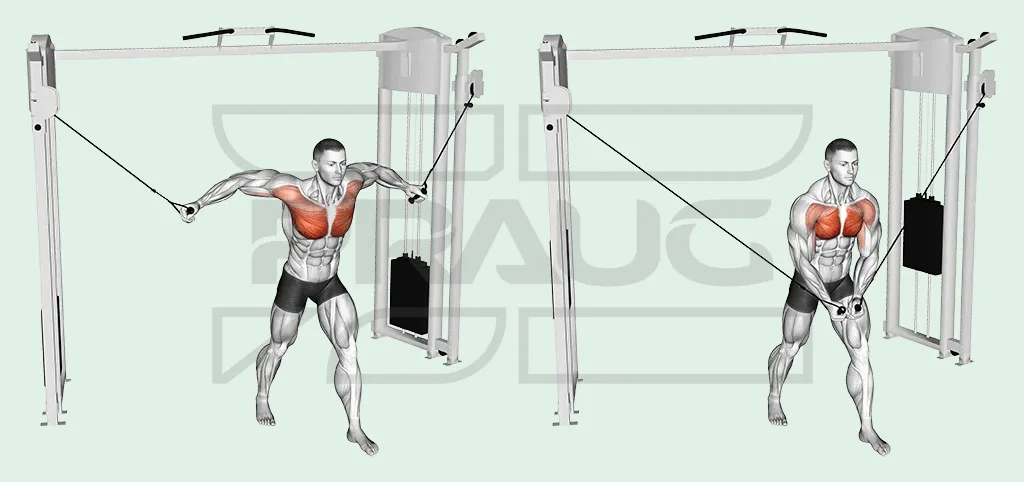
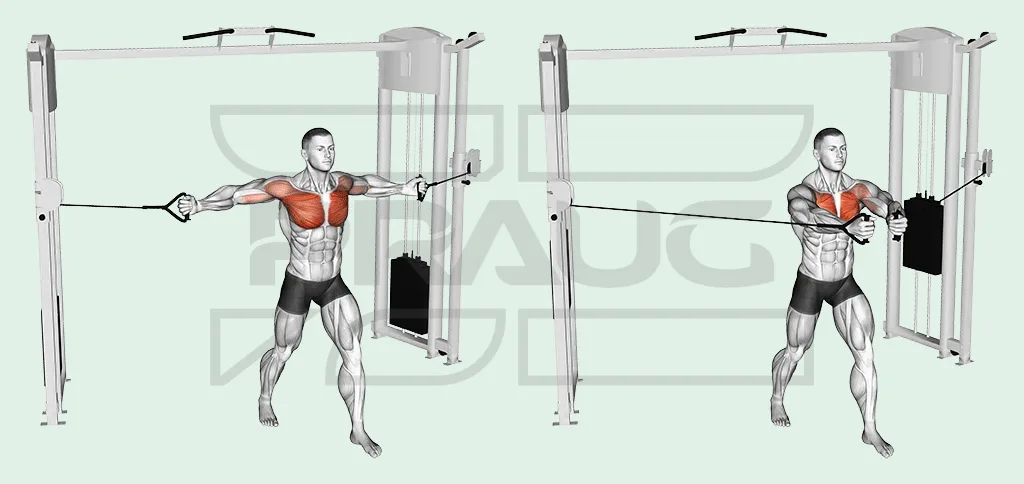
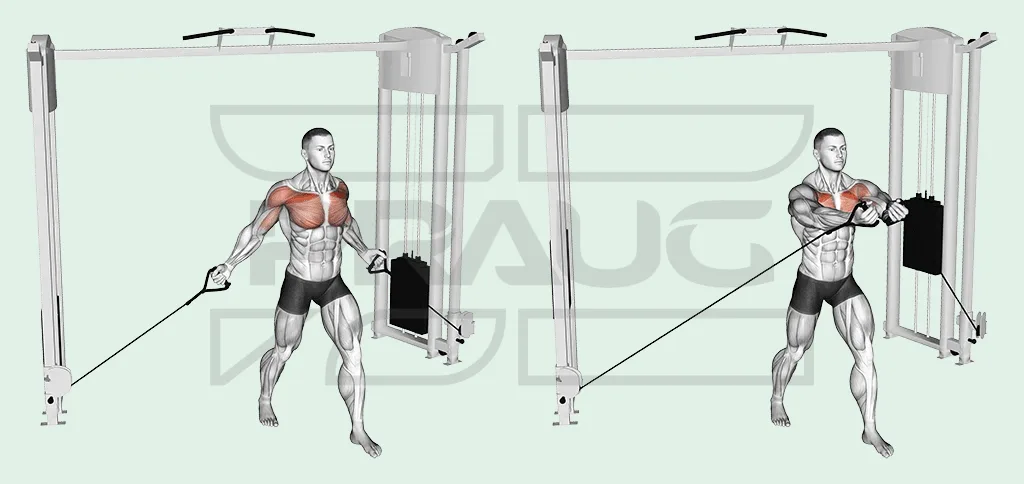
A cable chest fly brings the upper arms forwards against two cables with a small, fairly steady elbow bend. Pulley height changes the line of pull and the chosen arc. High, middle and low setups are different options, not proven switches that isolate the lower, middle or upper chest.

Certified fitness coach · CQP Instructeur Fitness
Published on
The essentials before you start.
- Choose a secure setup and a manageable starting demand.
- Keep the intended support, arm path and range repeatable.
- The cited studies have specific populations and exercise limits.
- Count this work within the whole week rather than adding every variation.
Exercise facts
- Main muscles
- Pectoralis major
- Secondary muscles
- Anterior deltoids, Biceps, Abdominals
- Equipment
- Dual adjustable cable station
What the movement trains
The pectoralis major and anterior shoulder contribute while the trunk and lower body maintain the stance. Cable tension and shoulder torque are different: leverage changes as the arm moves. The biceps and other arm muscles can help hold the elbow angle even without a repeated curl.
Set up and perform the movement
- Check two suitable pulleys, matching attachments and secure locks. Start with a light load and a clear space.
- Set the chosen height, take the handles securely and step into a stable stance without being pulled backwards.
- Choose a small elbow bend and an opening range you can control. Do not force the hands far behind the shoulders.
- Bring the upper arms forwards along the intended arc while keeping the torso and elbow bend reasonably steady.
- Finish before forced crossing, rotation or leaning becomes the main way to move the handles. The hands do not need to cross or collide.
- Return smoothly and step back to lower the stacks securely before releasing the handles.
Range, control and common changes
Chest-height pulleys offer a more horizontal reference; higher or lower pulleys change the arc according to your stance and arm path. Re-establish the load and range after changing height. A strong squeeze is not evidence of precisely targeted regional growth.
What the cited research does and does not show
The cited comparisons used dumbbells and presses, not cable flyes or different pulley heights. They cannot establish a best cable setting for regional growth.
Variations and alternatives
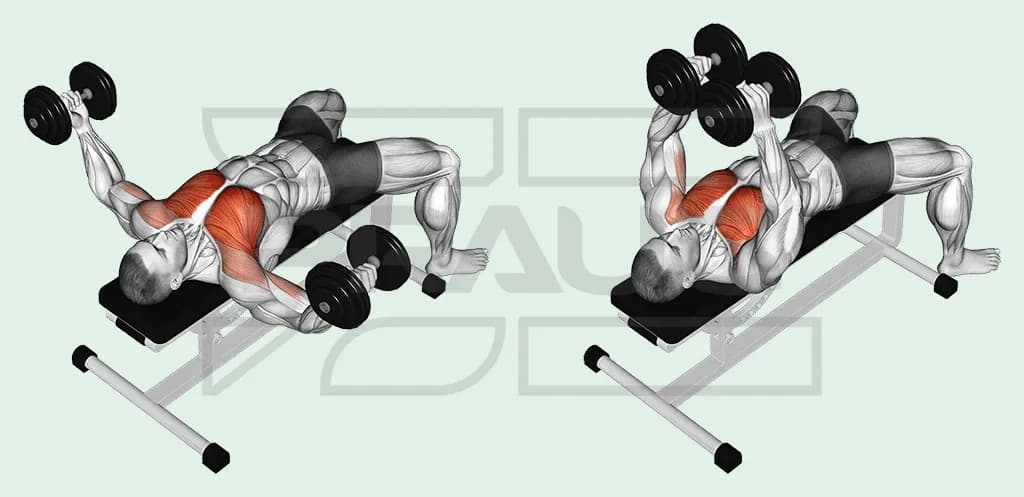
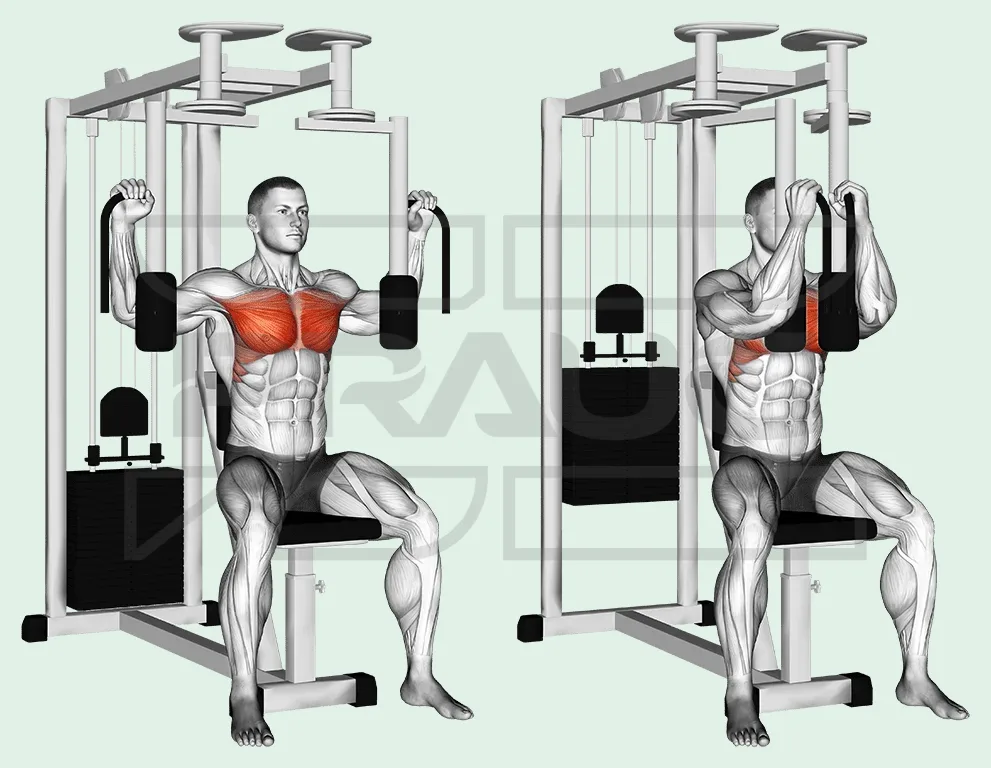
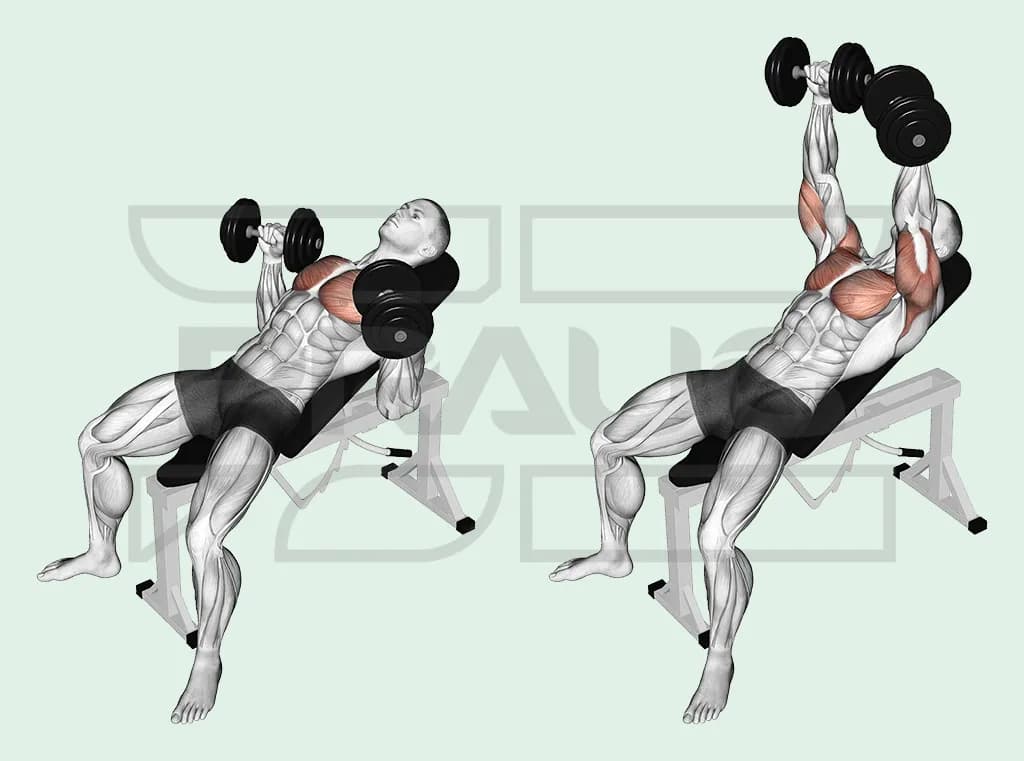
A single-arm version changes balance and opposition to rotation; start with a suitable stance and load. A pec deck or dumbbell fly has different support and resistance geometry.
Sets, progression and tracking
One coaching option is 2–4 sets of 10–15 repetitions with sufficient rest to retain the arc. Choose the amount within the chest session rather than adding all three pulley heights automatically. Log station, height, attachment, stance and range as well as stack labels.
Illustrated positions and options
The images show example positions, not an individual range or loading prescription. A pictured household chair does not establish a suitable exercise support. Use equipment intended for the task.
Illustrated option 1
Illustrated option 2
Illustrated option 3
Frequently asked questions
Must I cross my hands to finish?
No. Finish in a repeatable controlled position; forced crossing or extra torso movement is unnecessary.
Are the three pulley heights proven regional-growth prescriptions?
The cited studies did not test those cable settings or measure later regional growth.
When should I add demand?
When the chosen task, support and range are repeatable and the next increment is manageable. Record the setup and effort, and account for the rest of the week.
Sources and limitations
Sources support the passages that cite them. Practical suggestions are coaching choices to adapt to your own situation.
- Solstad and al. · 2020 · Activity comparison of barbell pressing and dumbbell flyes. ↗
Seventeen trained men; not pec deck, cables or later growth.
- Welsch and al. · 2005 · Acute comparison of presses and dumbbell flyes. ↗
Twelve adults; concentric activity, not long-term training equivalence.
This general information does not replace individual advice. Zepraug’s limitations.